Venturing Beyond

Somerset House
Londres, Royaume Uni
Exposition organisée par A by P
3 mars – 2 mai 2016
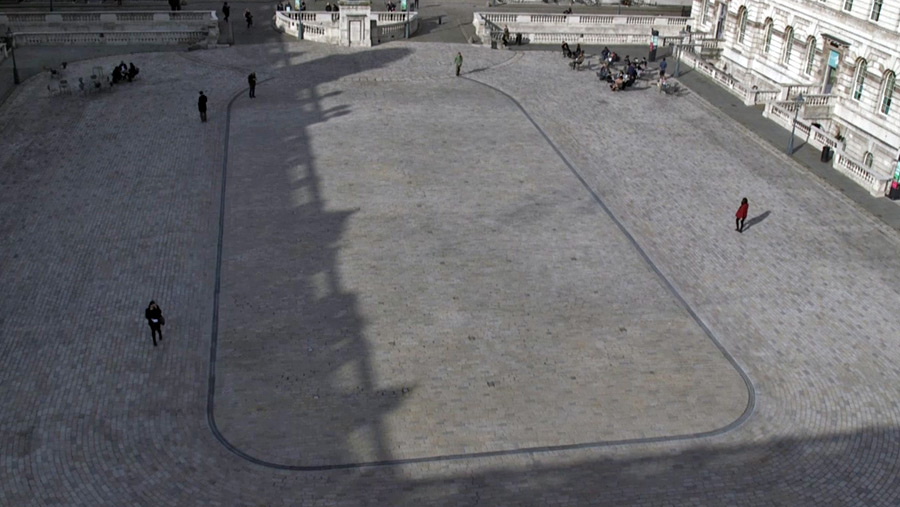
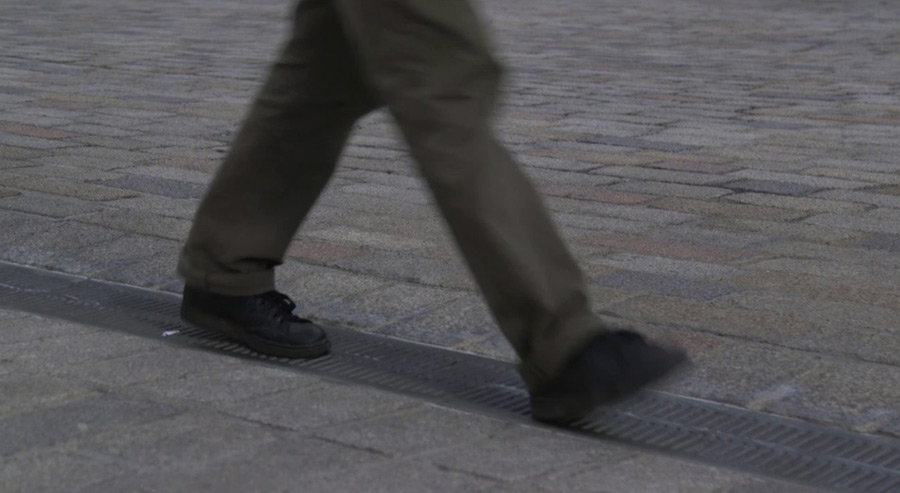
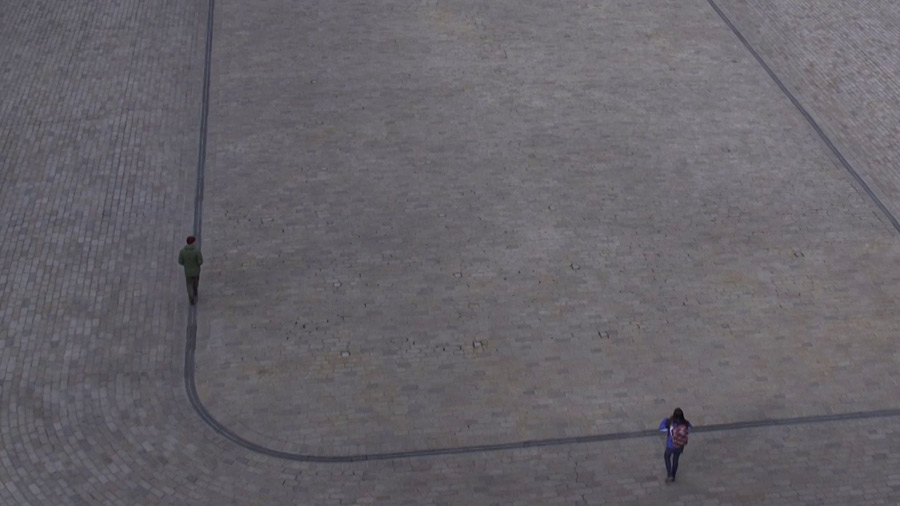
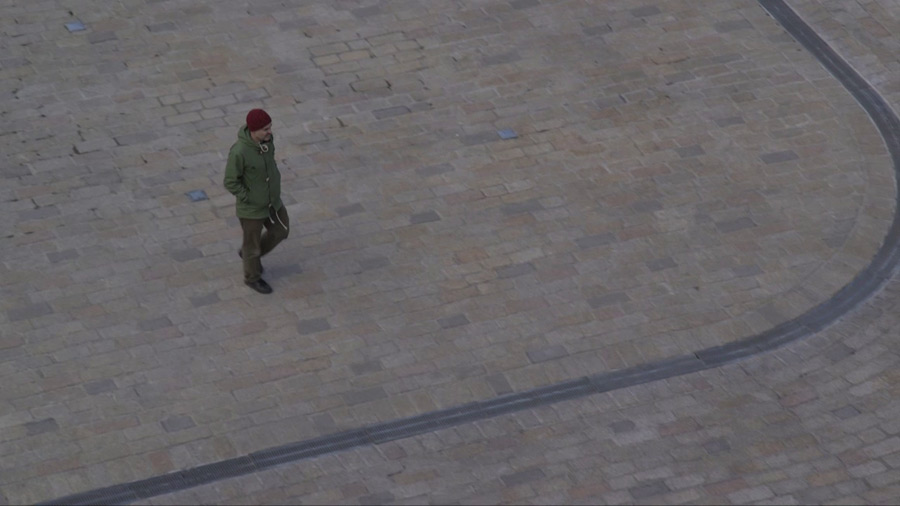
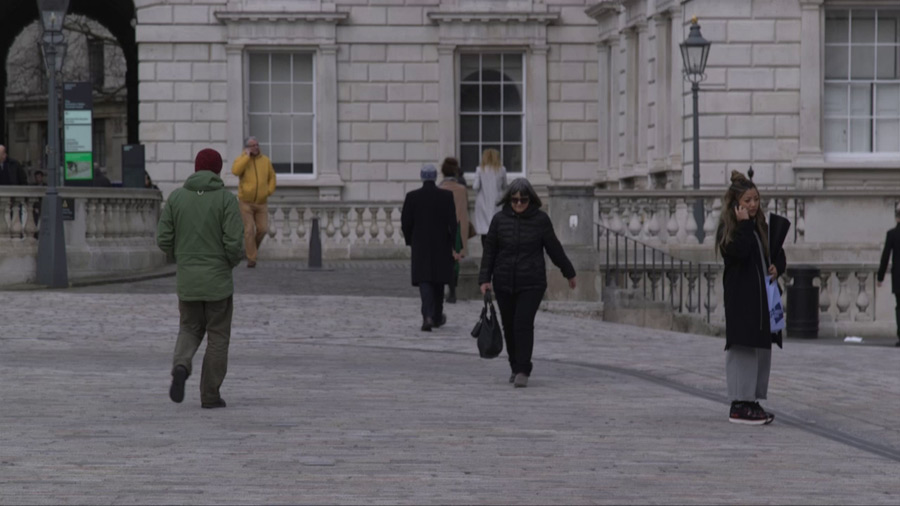
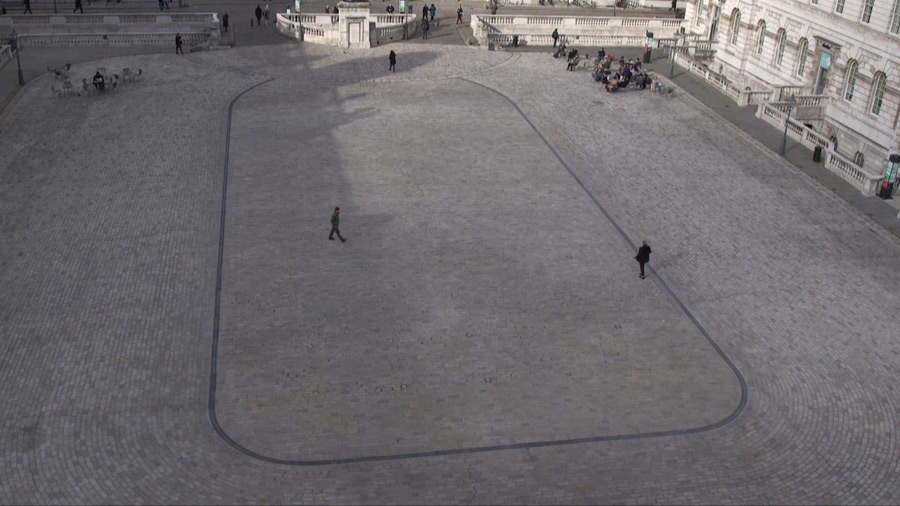
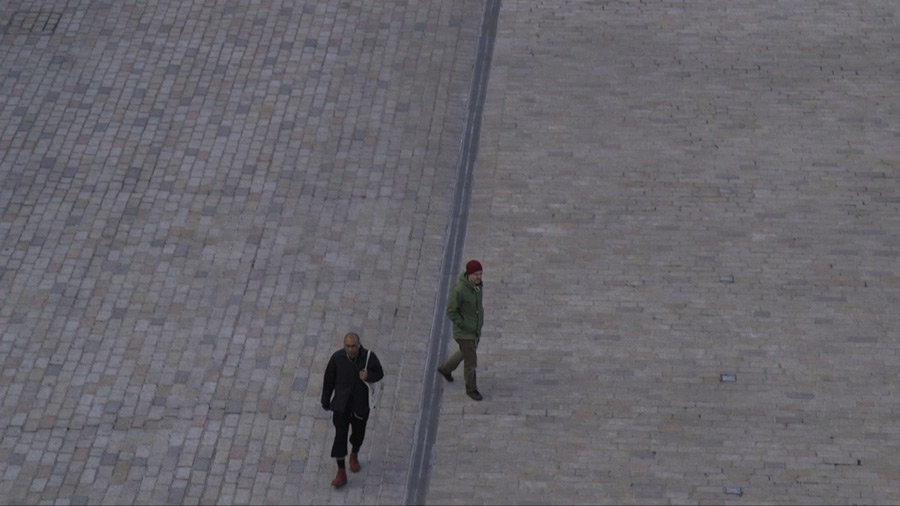
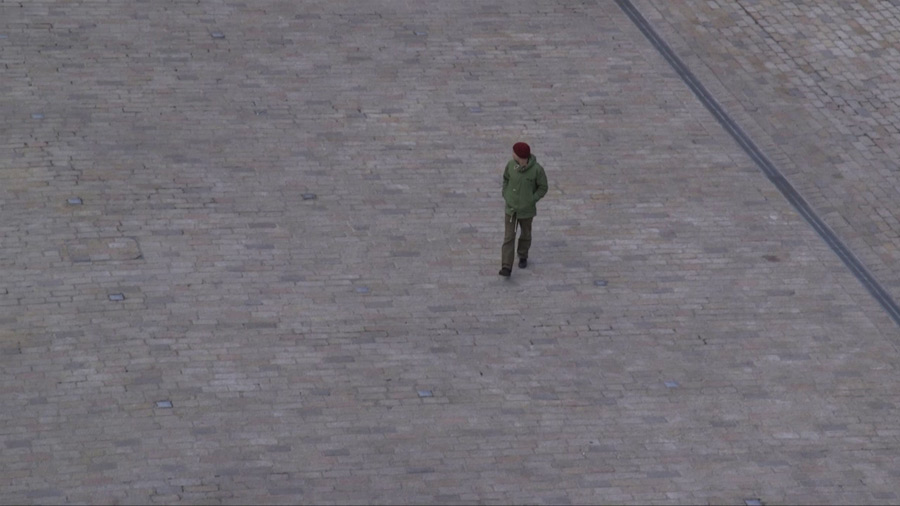
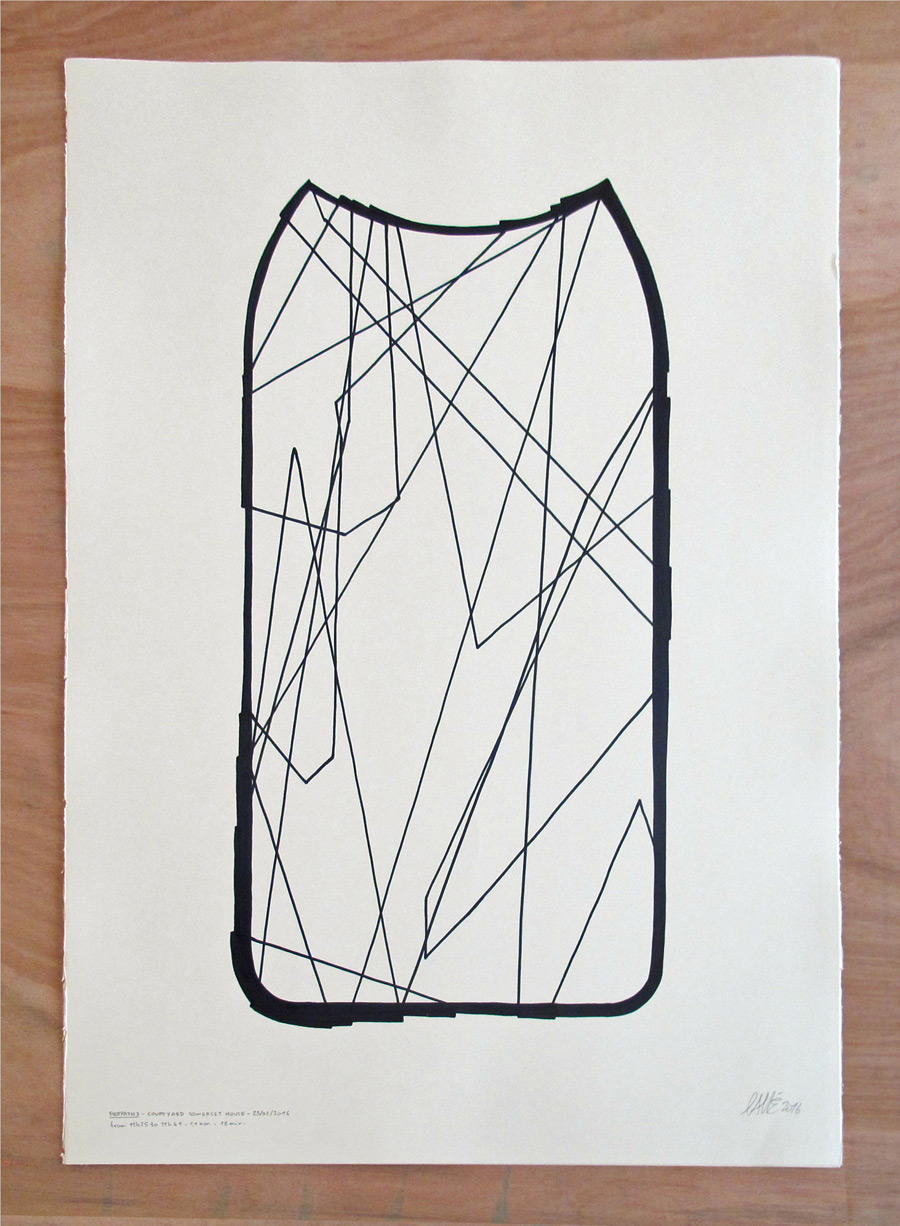
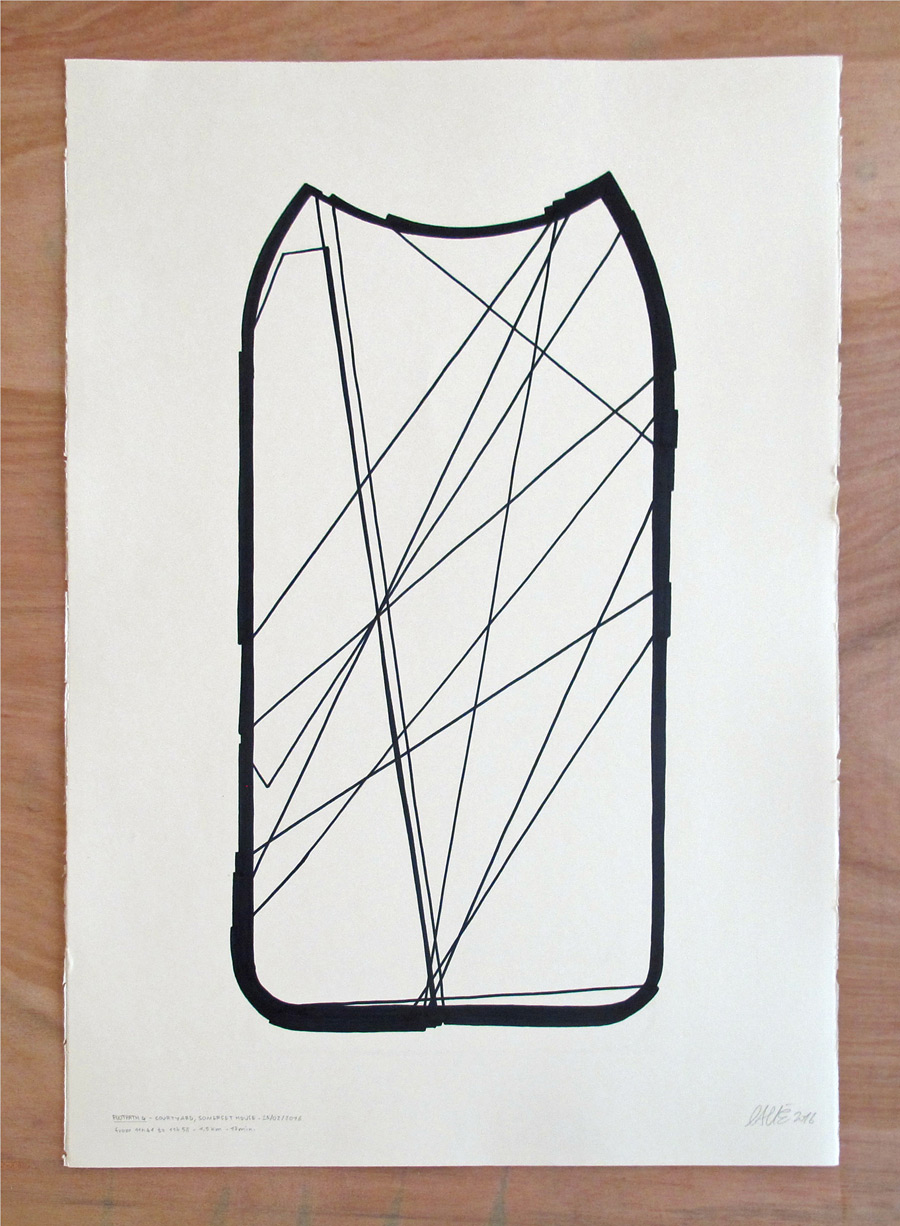
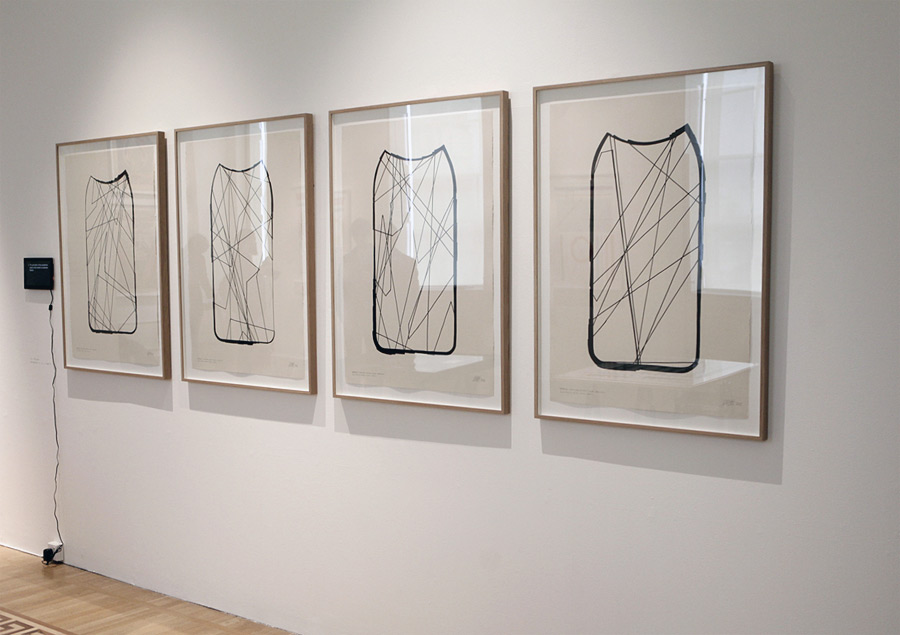
Footpaths
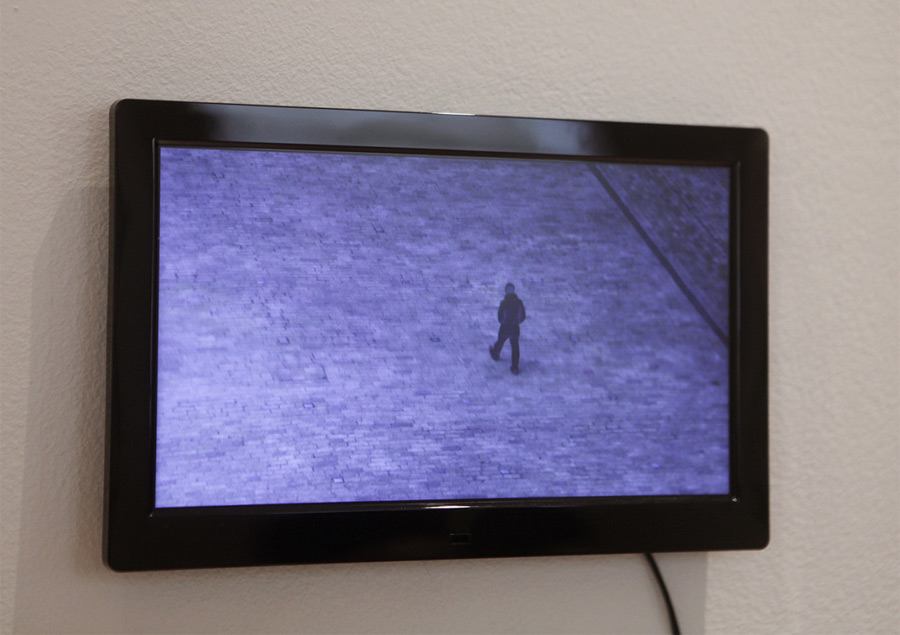
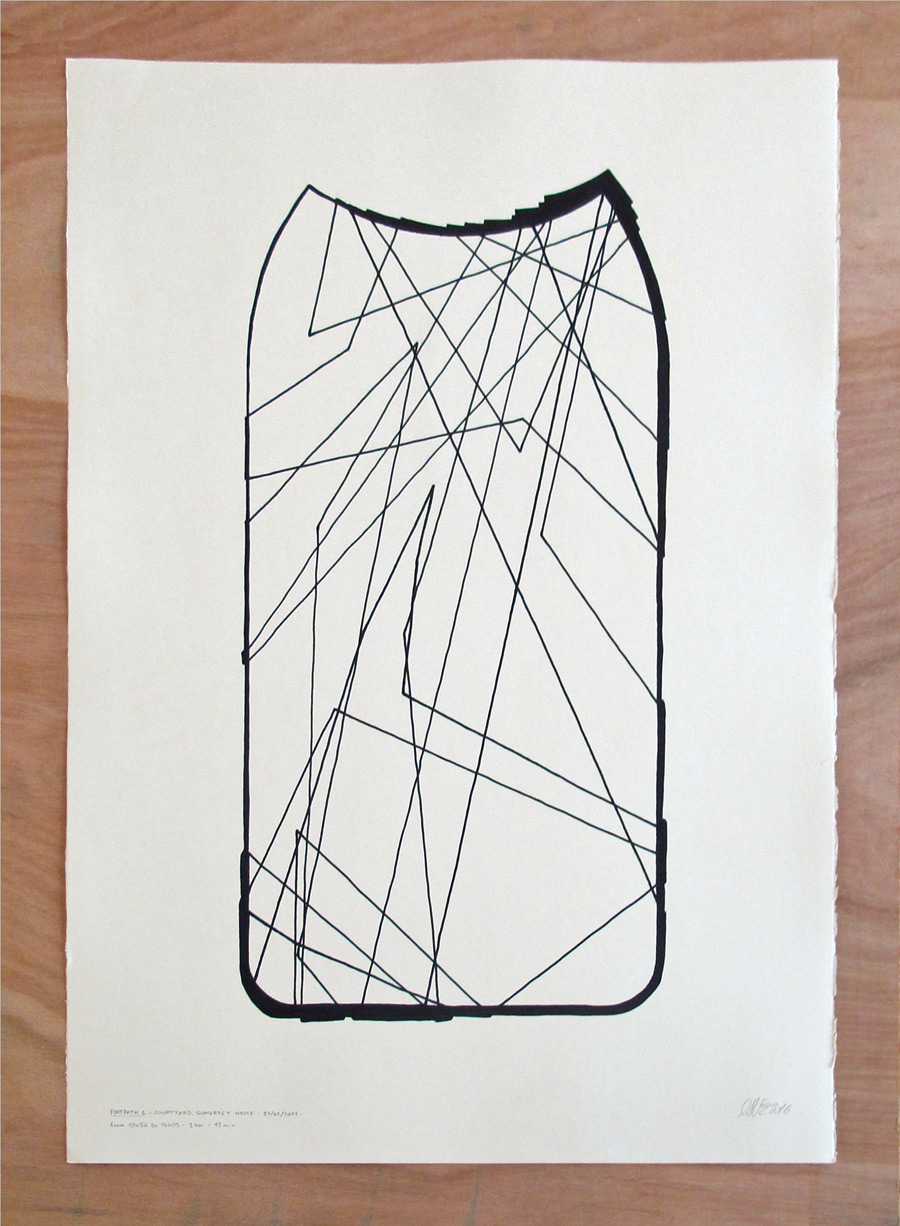
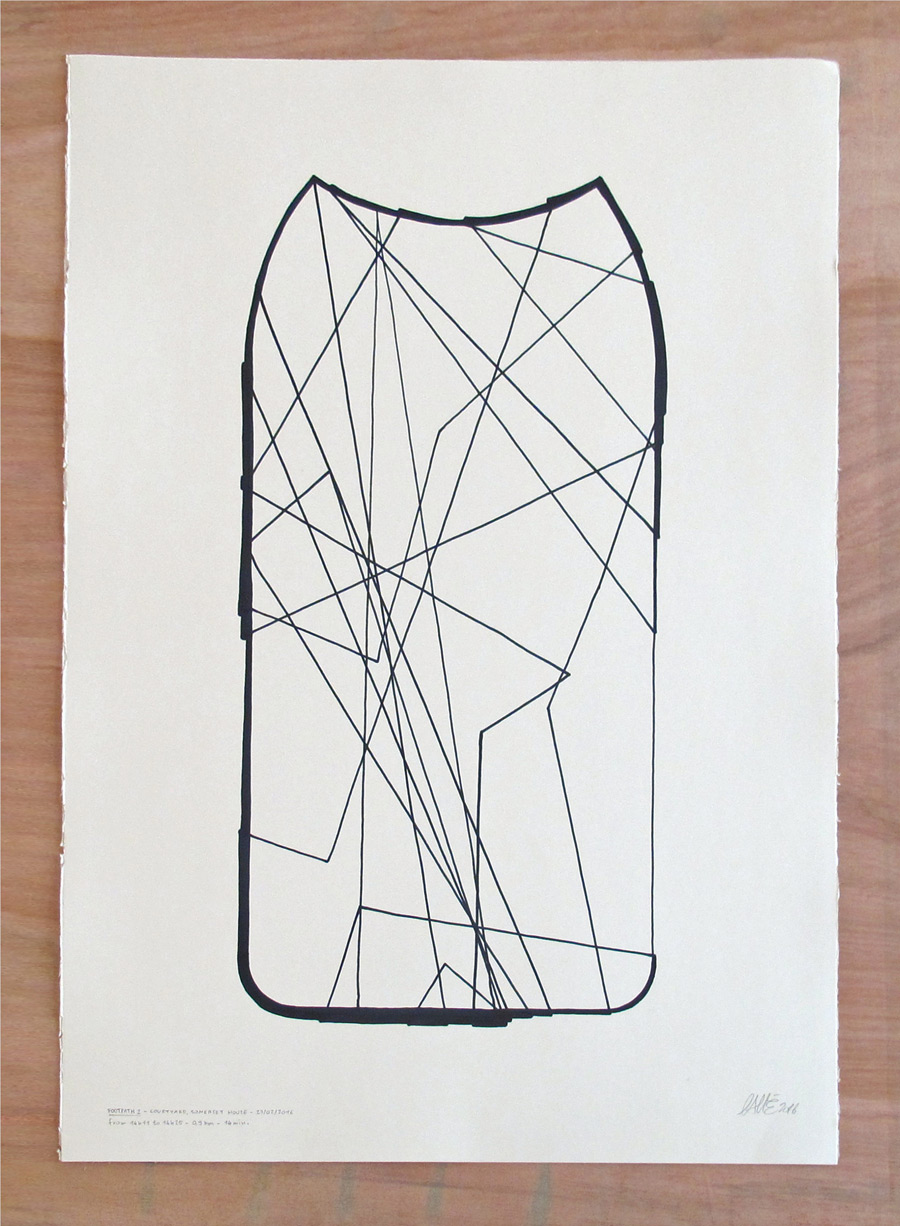
Quatre performances à pied de 15 minutes
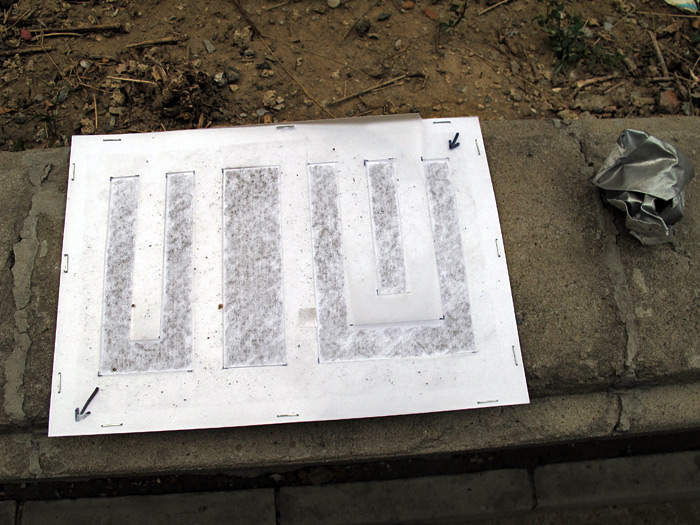
Encre noire sur papier Fabriano Rosaspina 285 g. 100 x 70 cm, vidéo de 2 minutes


Règles :

  1. Le participant sélectionne une zone dans l’espace public et définit une période dans le temps.
  2. Il marche ensuite le long du périmètre de cette zone prédéfinie dans le sens des aiguilles d’une montre.
  3. Quand un intrus visible entre dans le périmètre, le participant doit immédiatement tenter de rejoindre le point d’intrusion.
  4. Si le périmètre est pénétré à nouveau durant la tentative d’atteindre un point d’intrusion, ce nouveau point d’intrusion devient la nouvelle cible à atteindre.
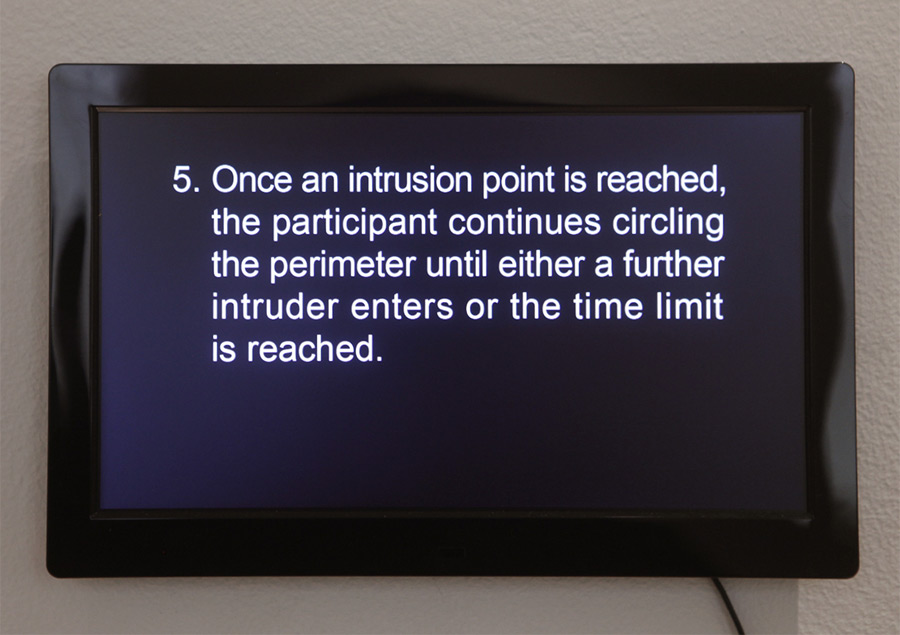
  5. Un fois qu’un point d’intrusion est atteint, le participant continue à marcher autour du périmètre jusqu’à la prochaine intrusion ou jusqu’à ce que la limite de temps soit atteinte.
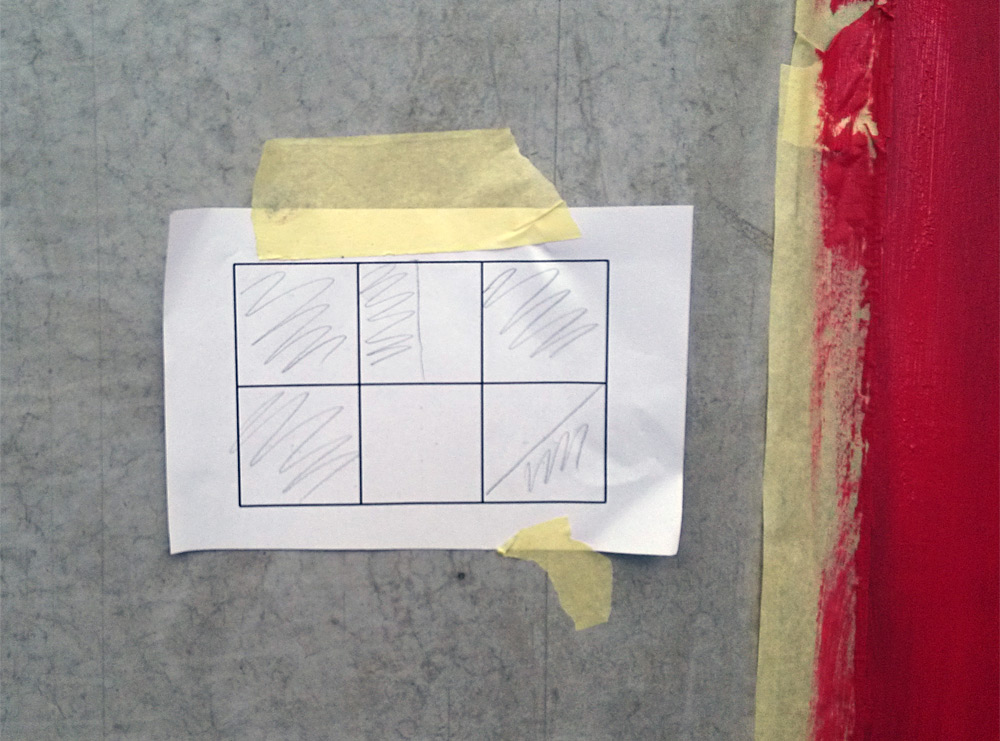
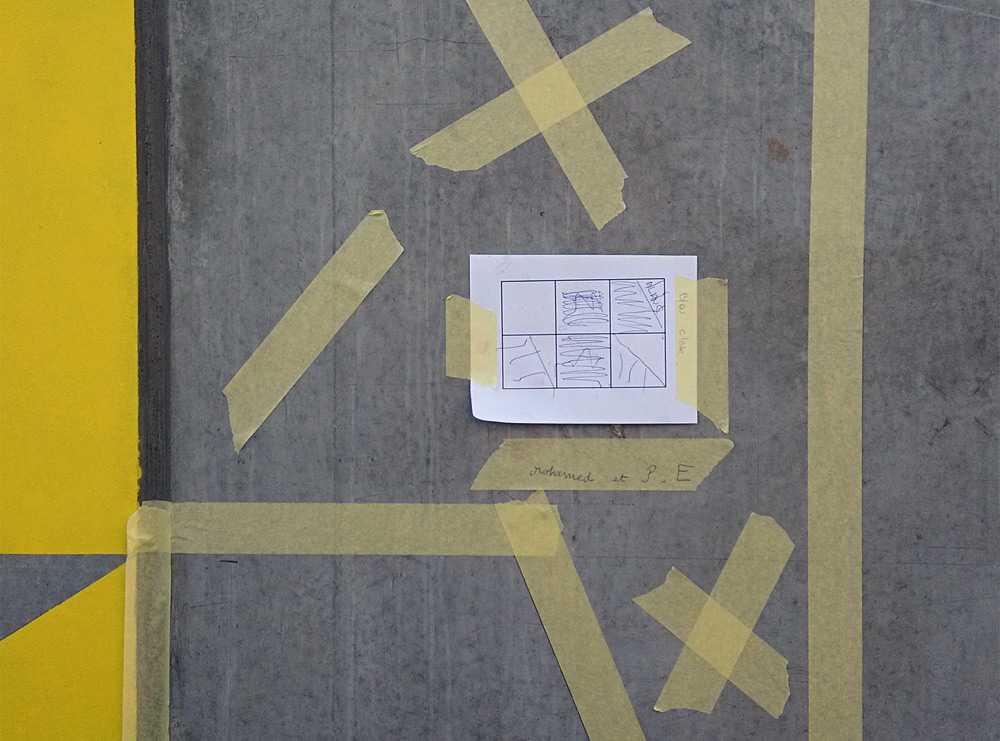
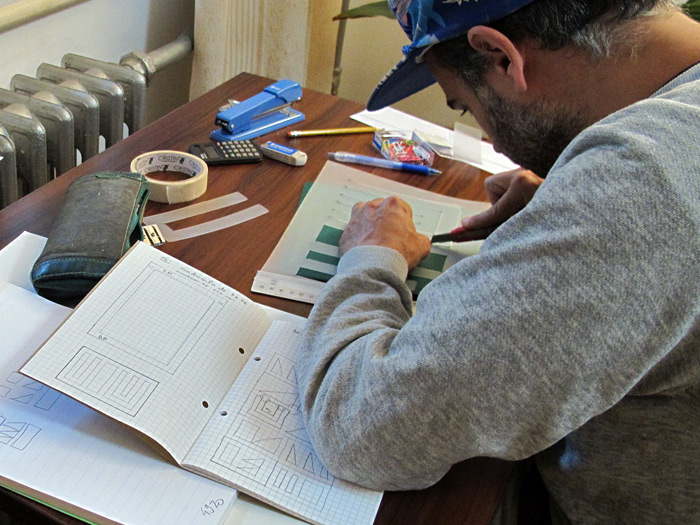
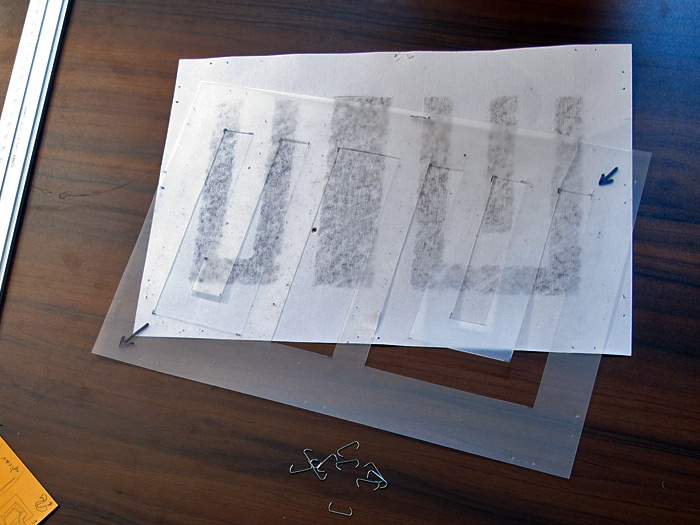
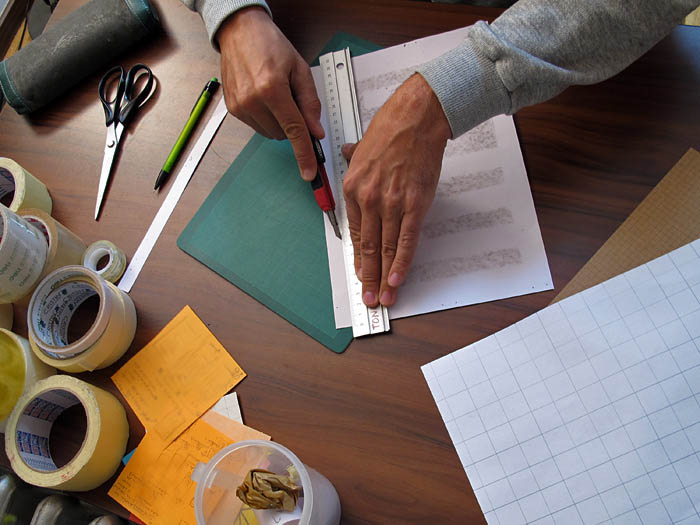
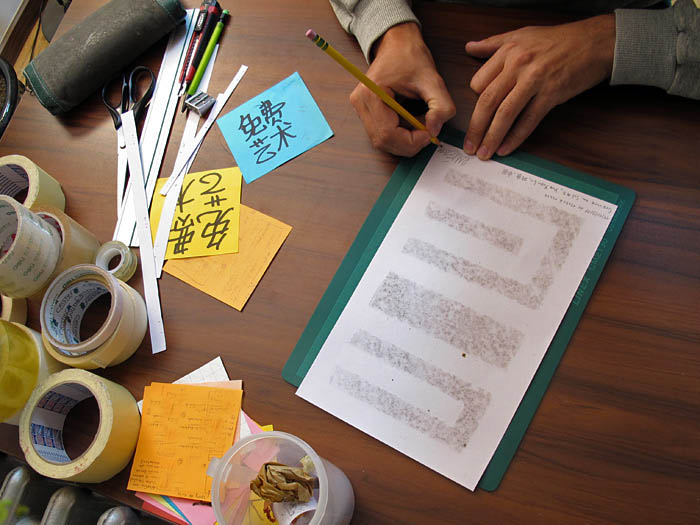
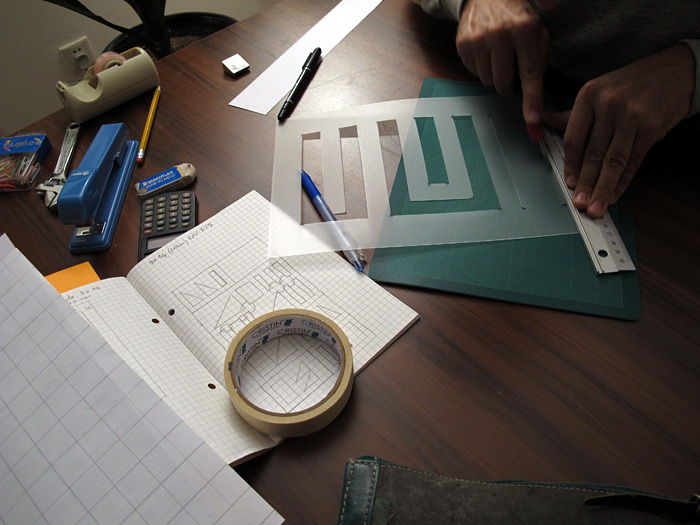
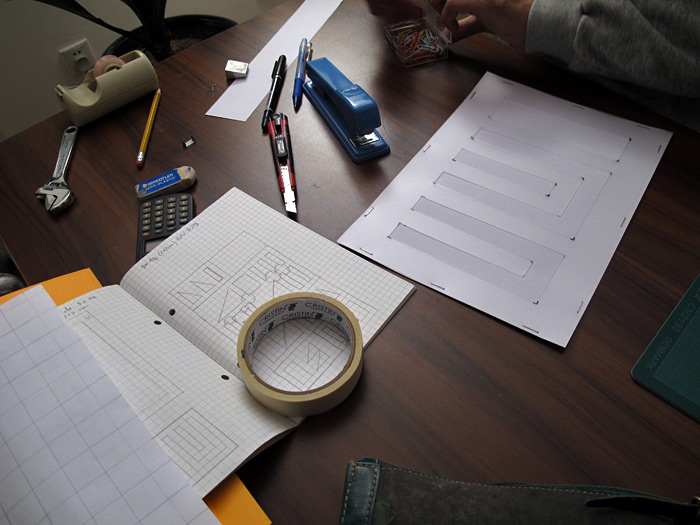
  6. Pour finir, un dessin est généré en guise de témoin de l’expérience.

www.a-by-p.com
www.somersethouse.org.uk/visual-arts/venturing-beyond

Modo n.º2

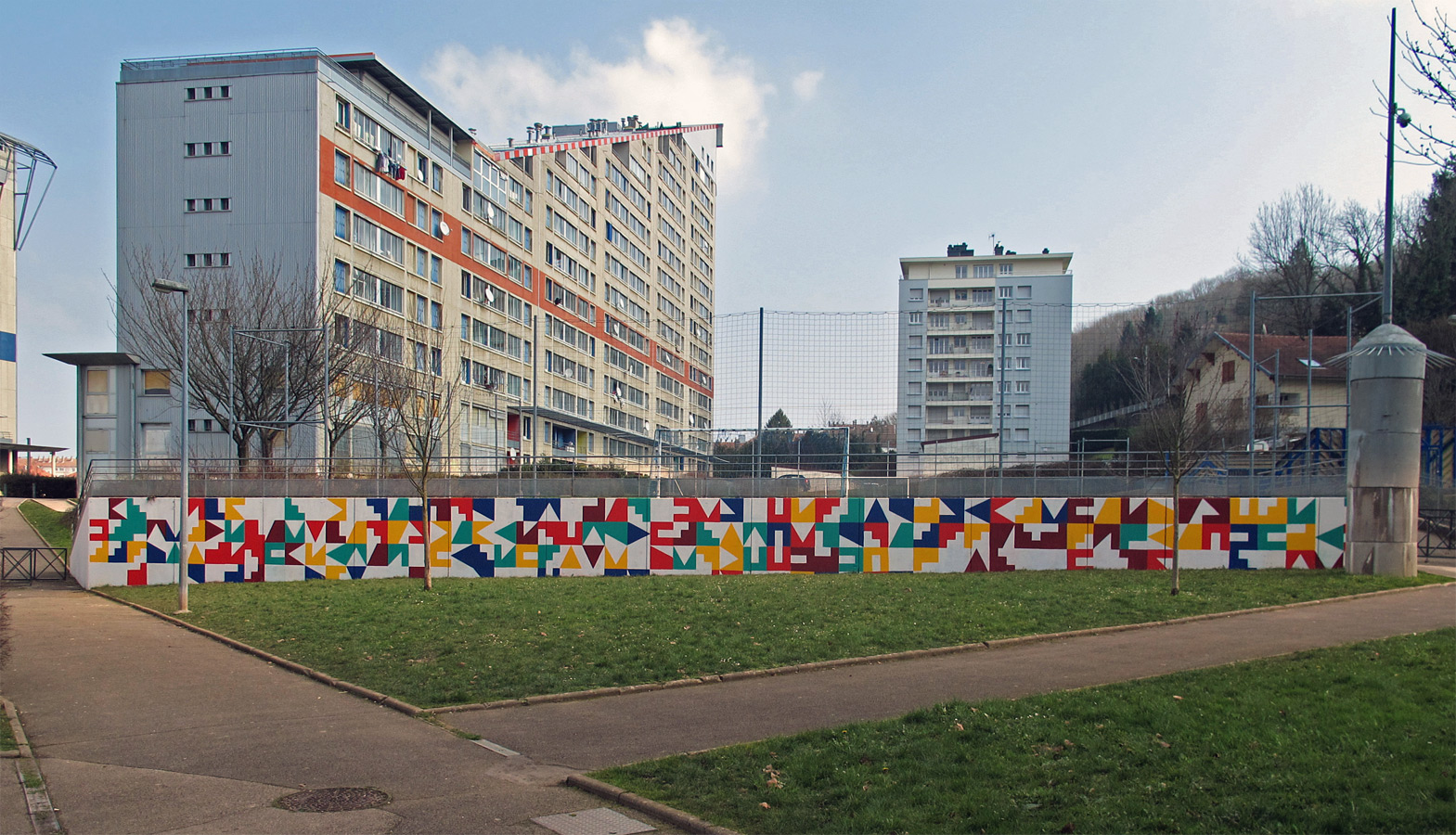
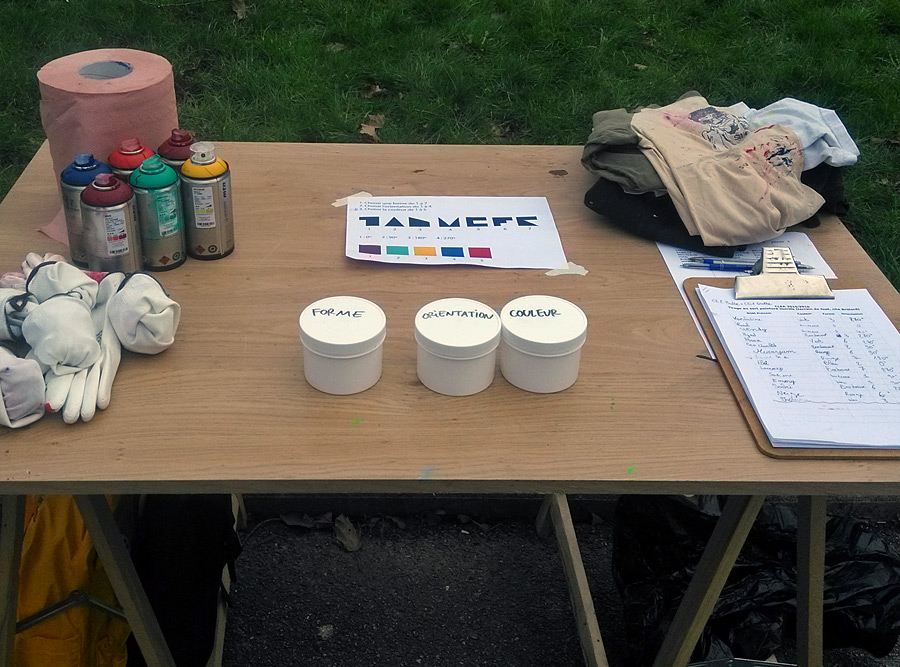
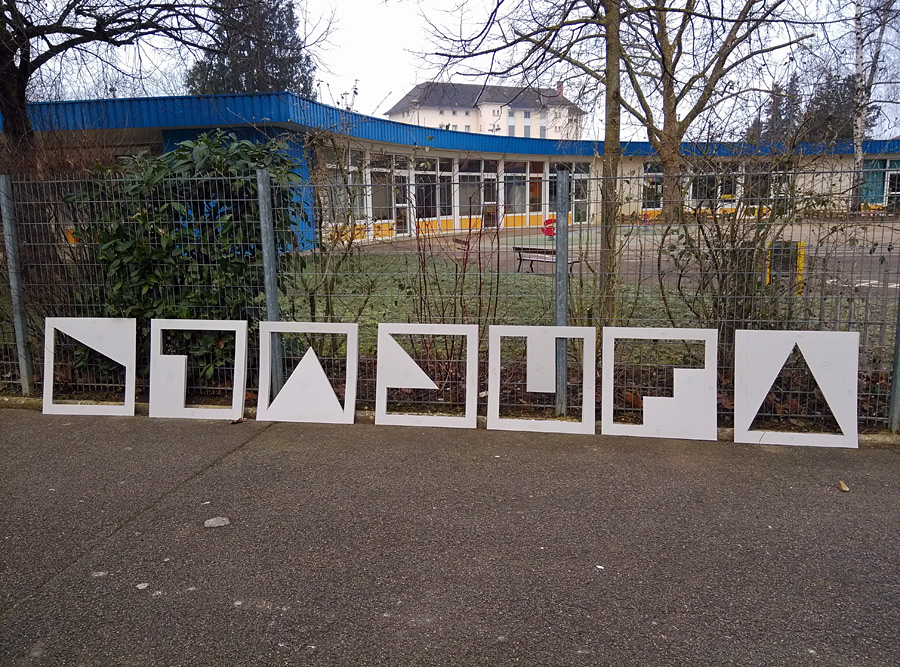
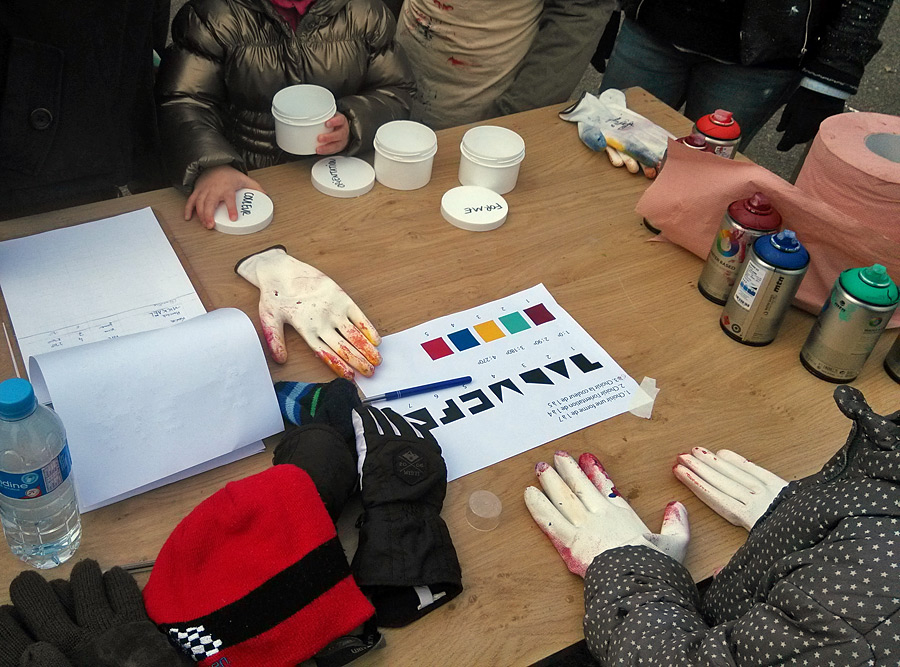
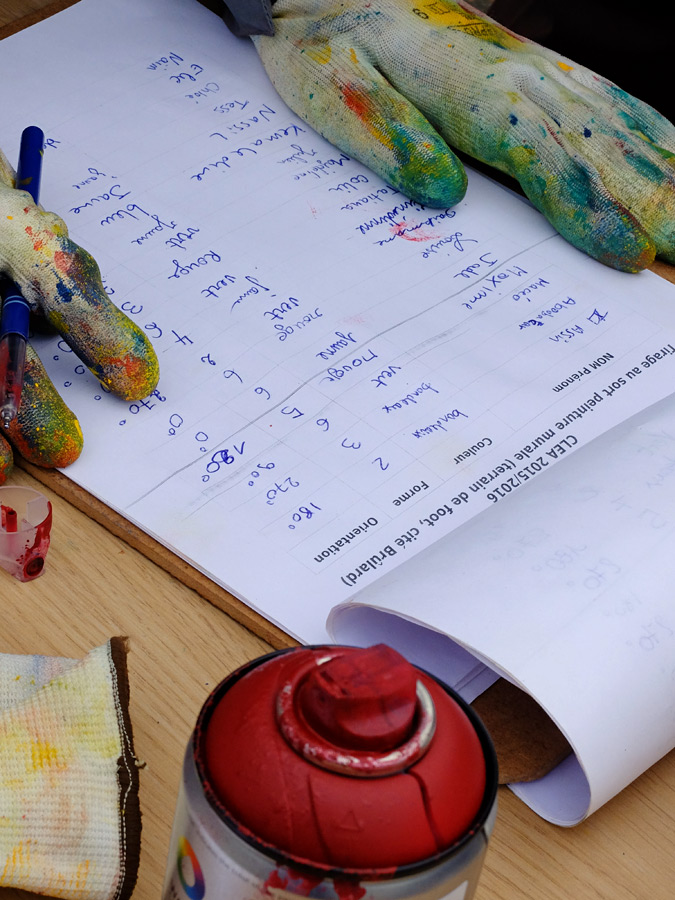
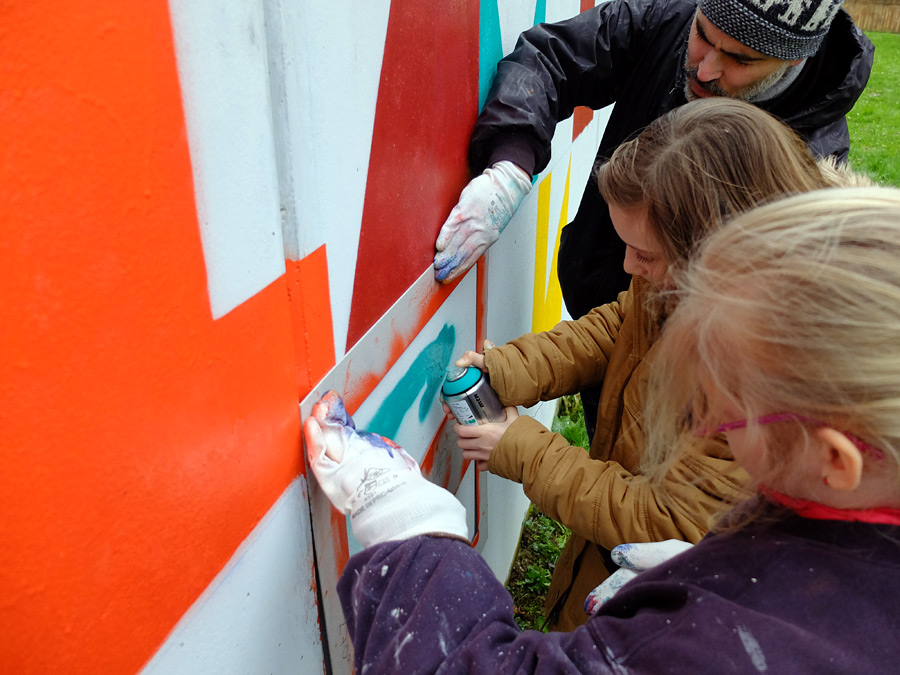
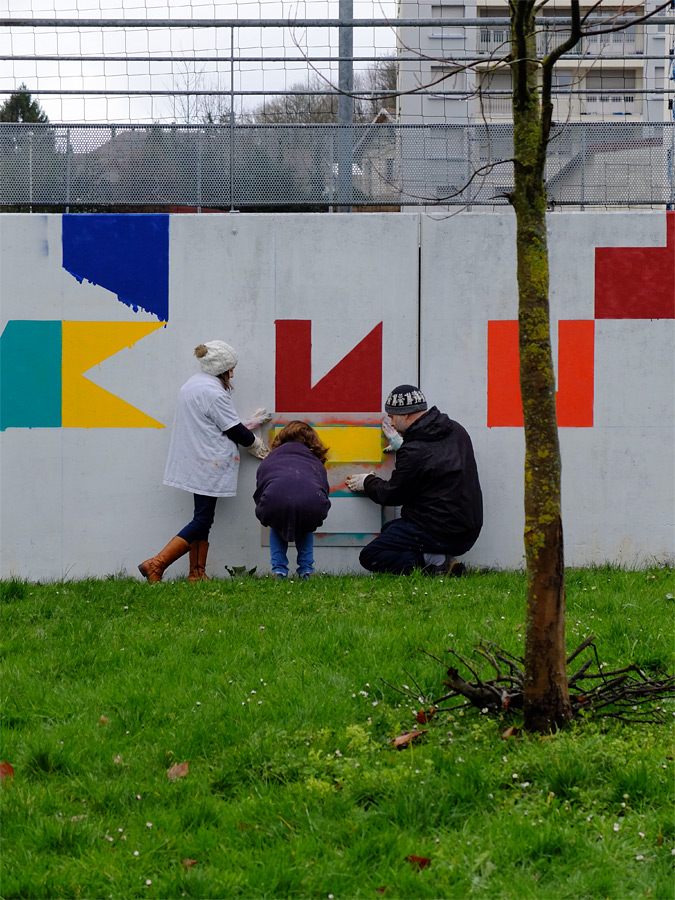
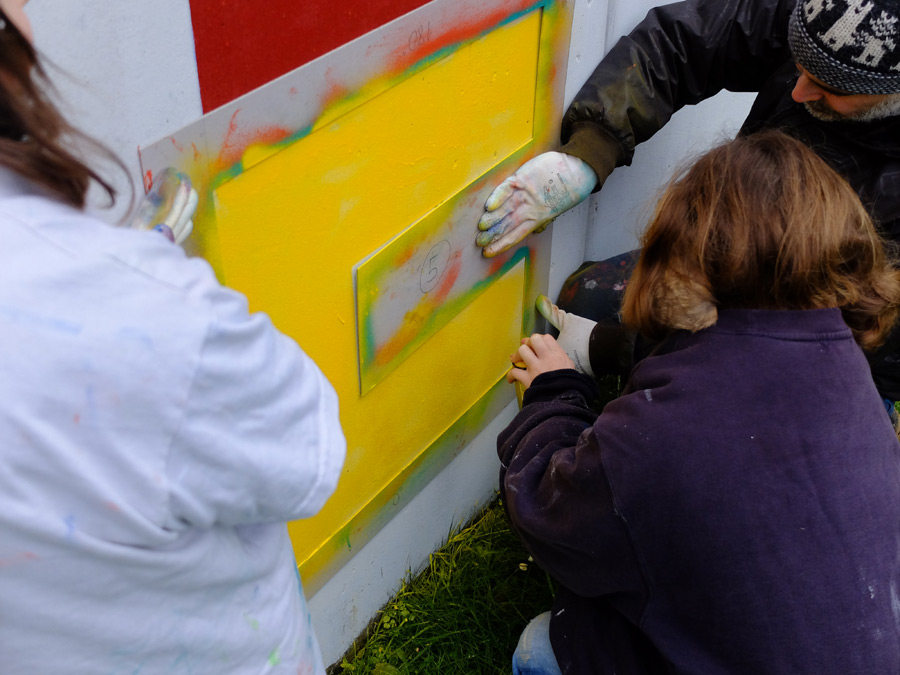
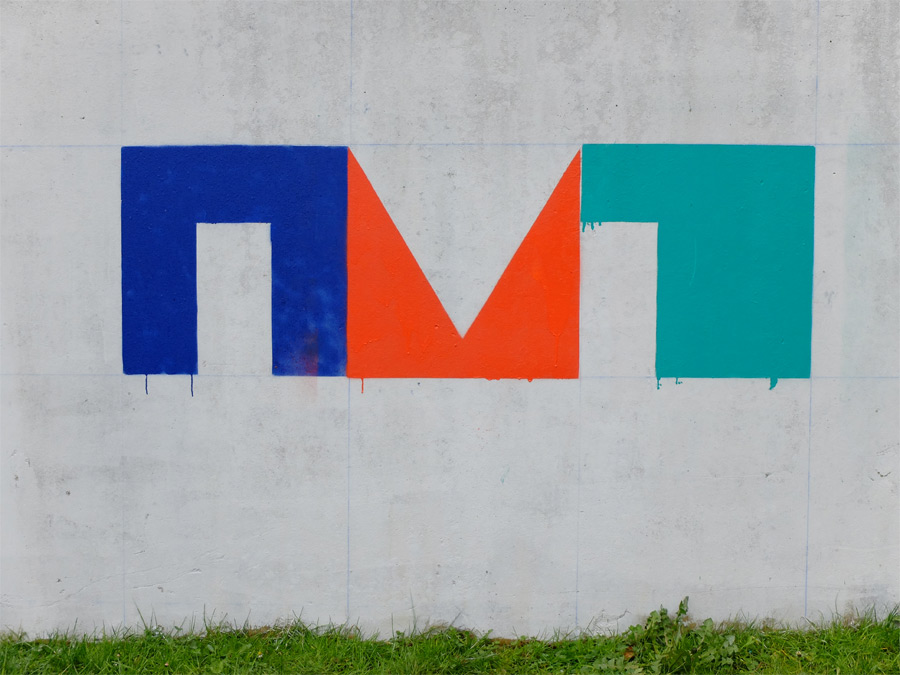
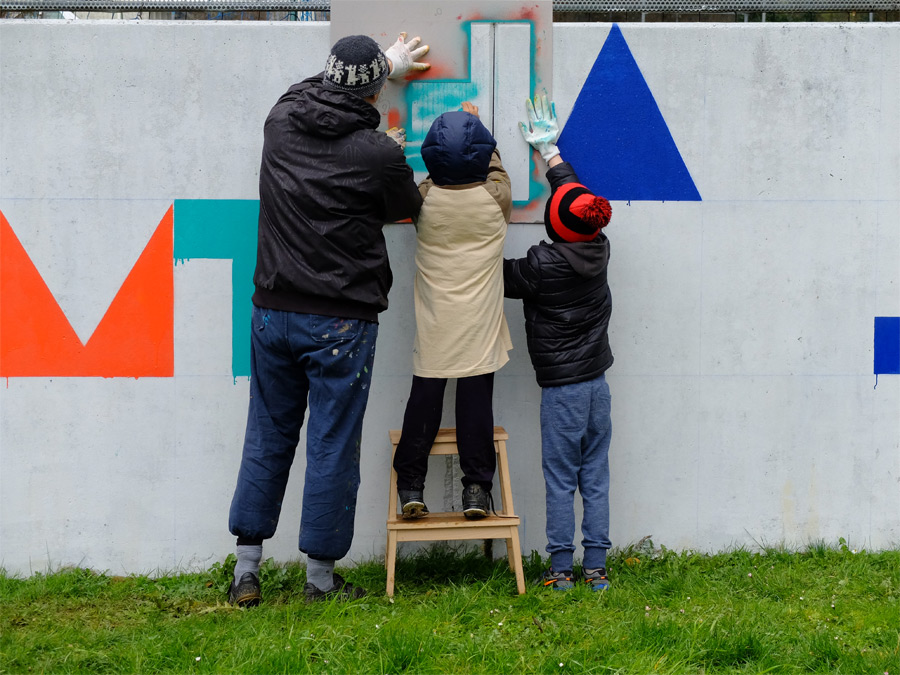
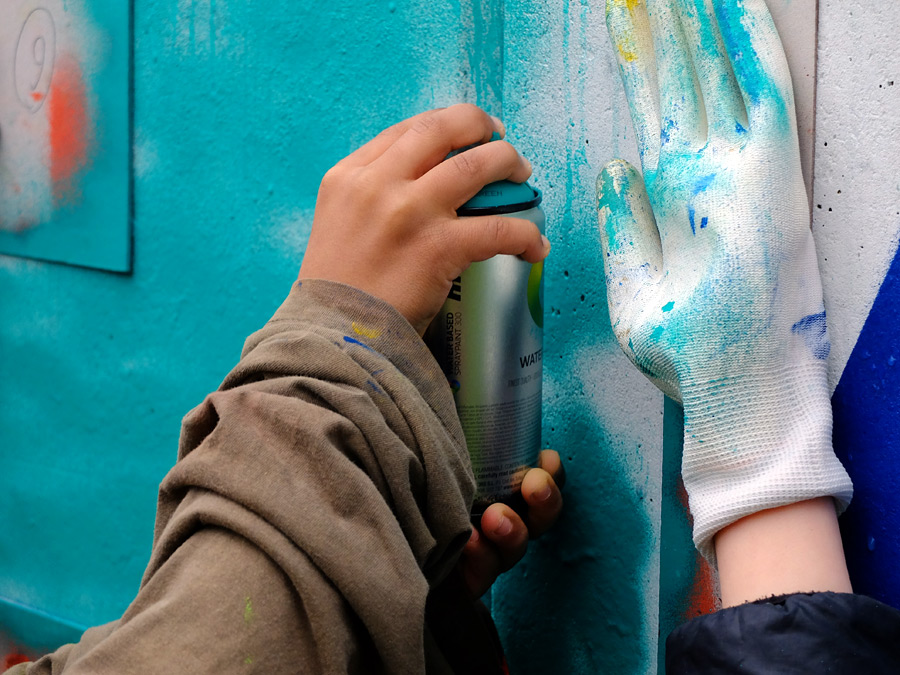
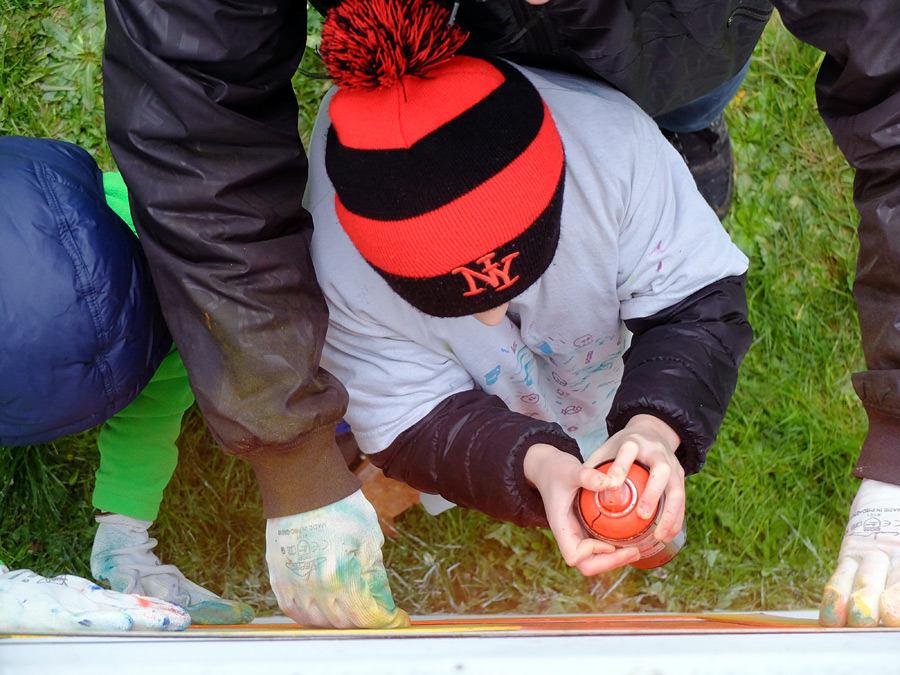
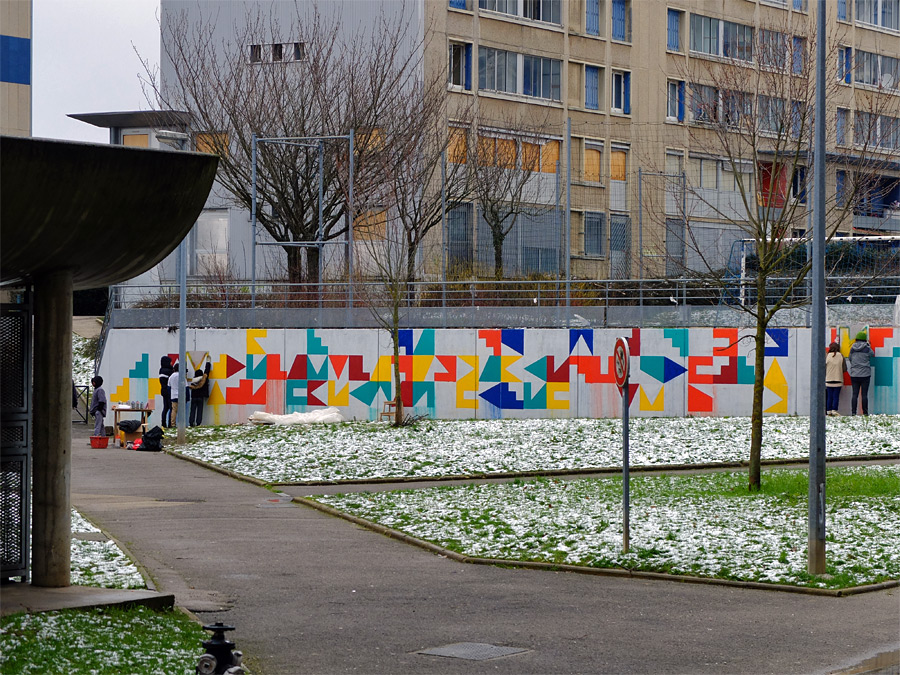
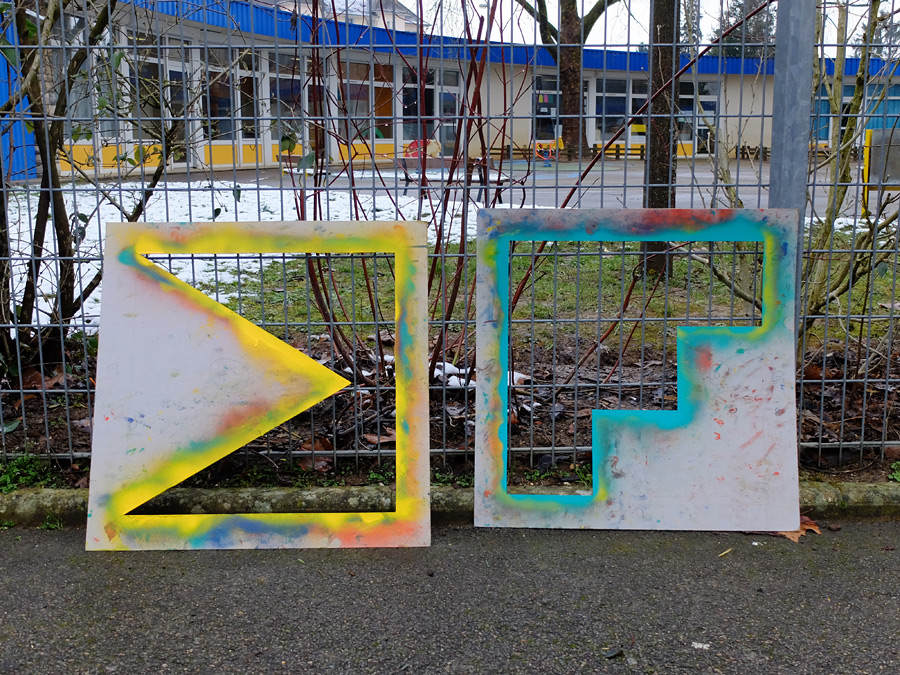
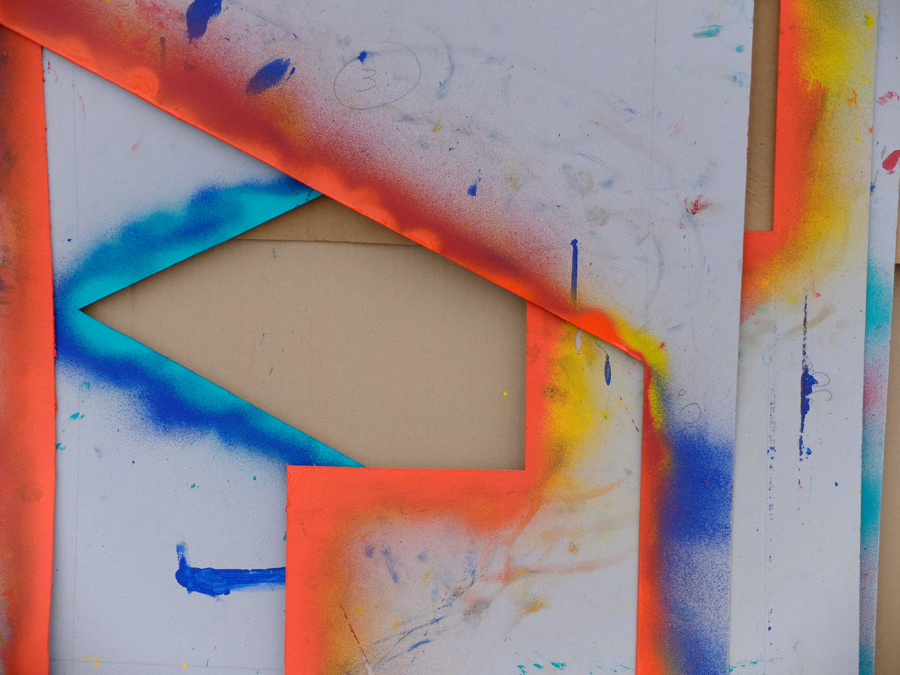
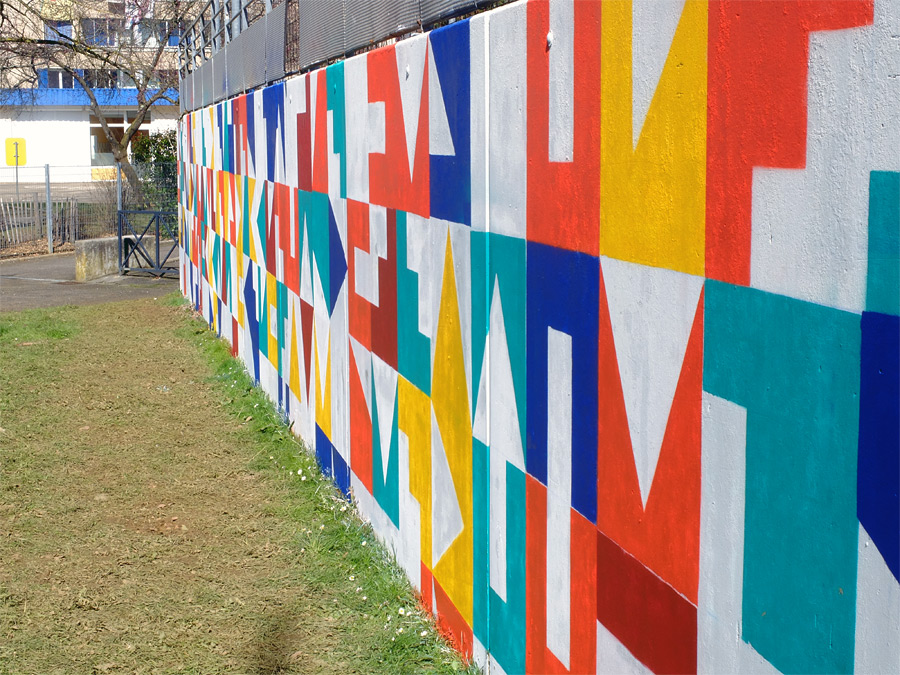
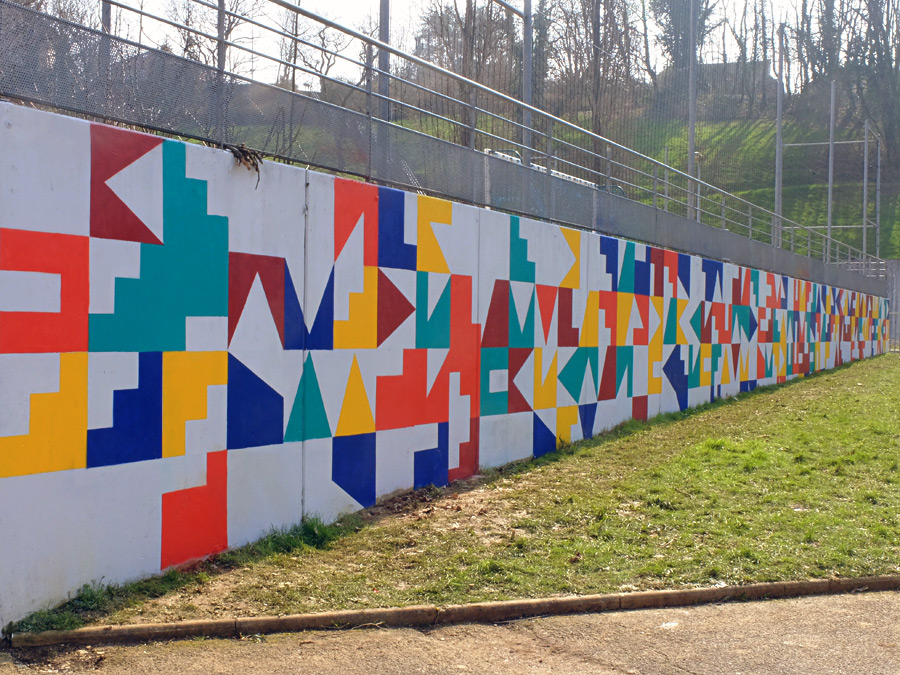
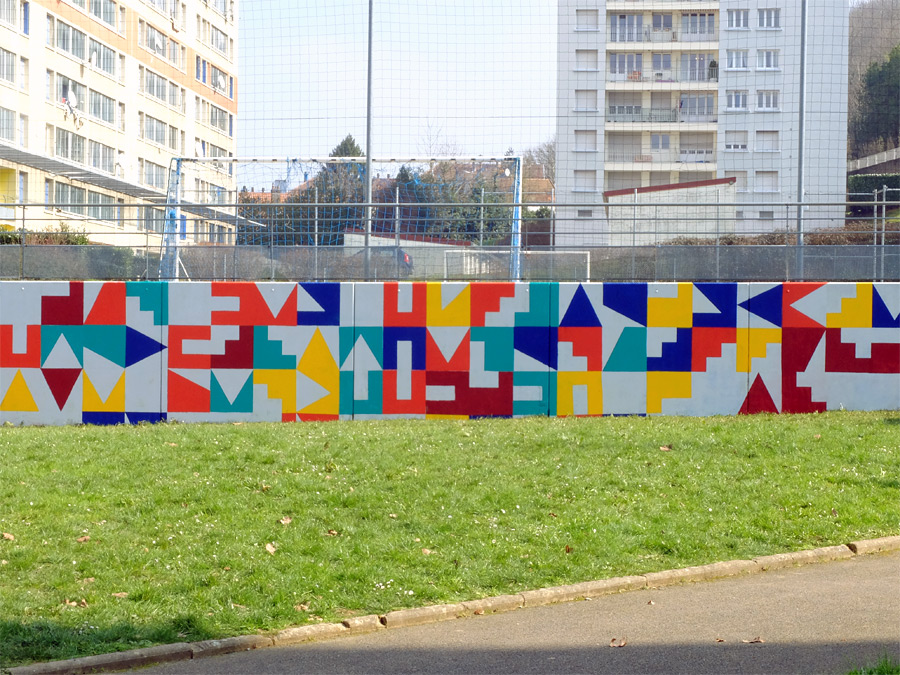
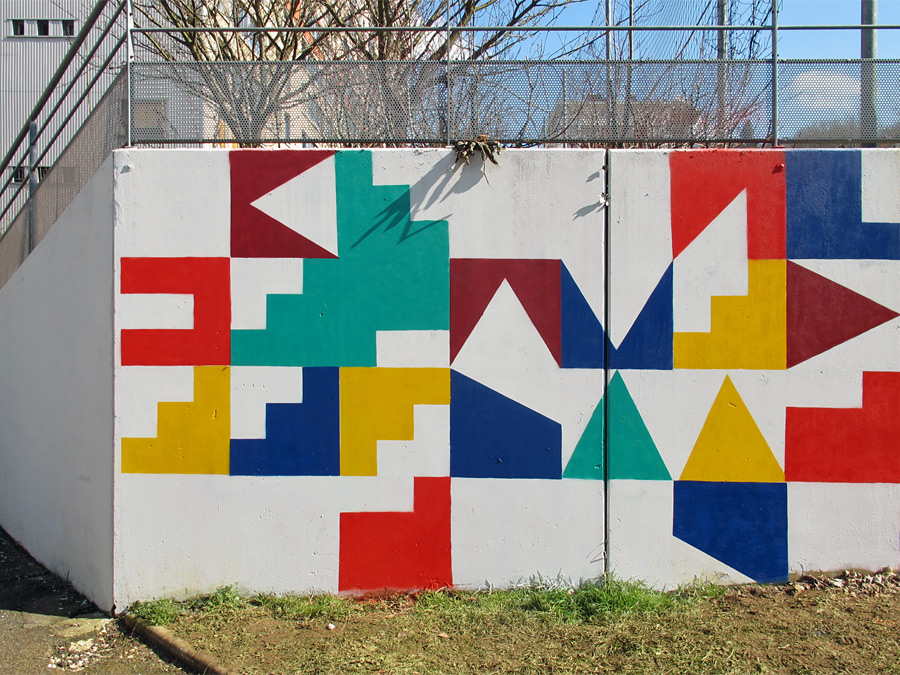
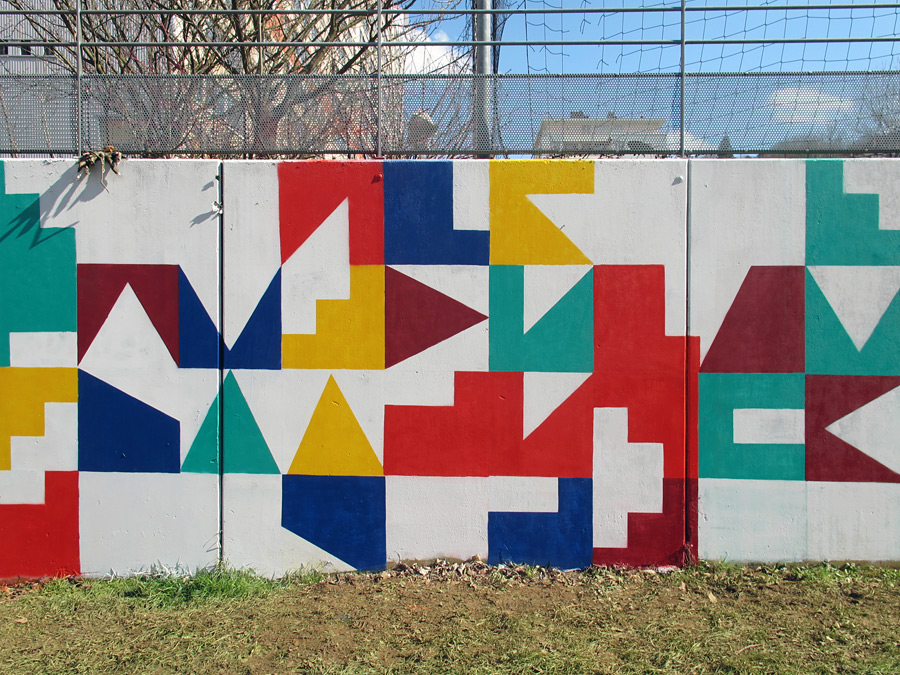
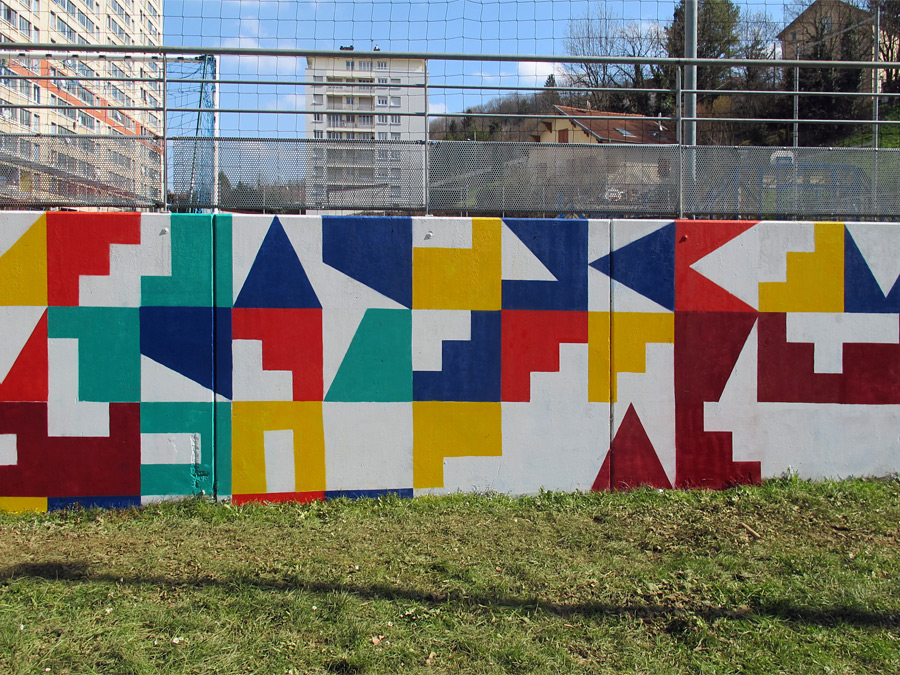
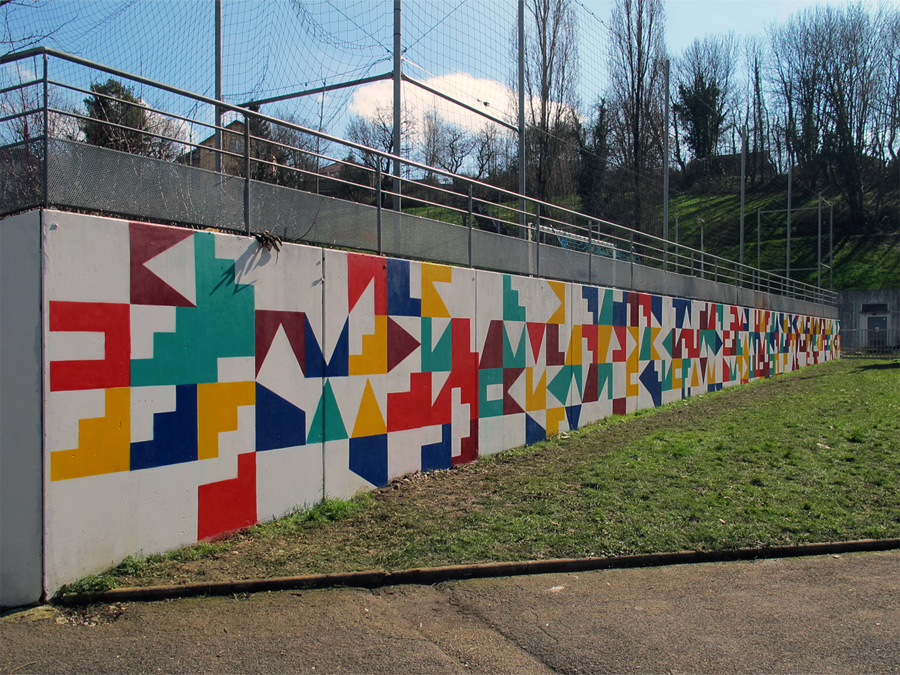
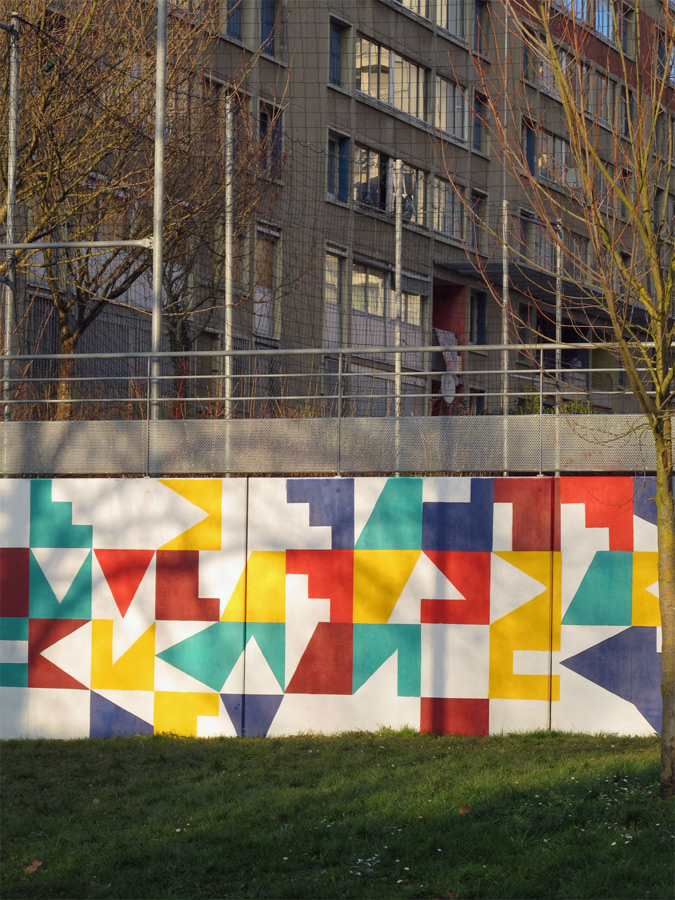
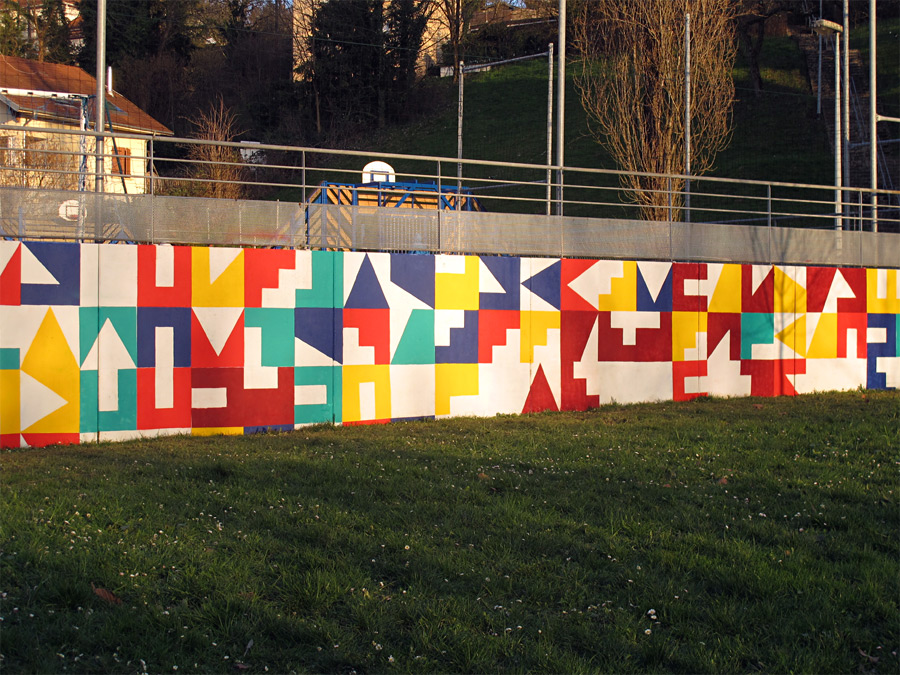
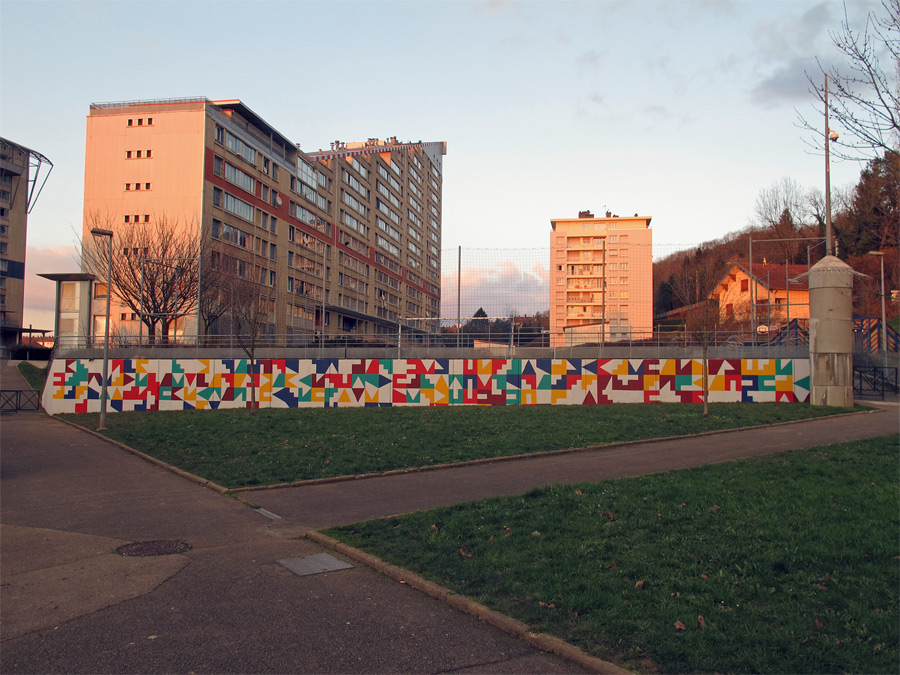
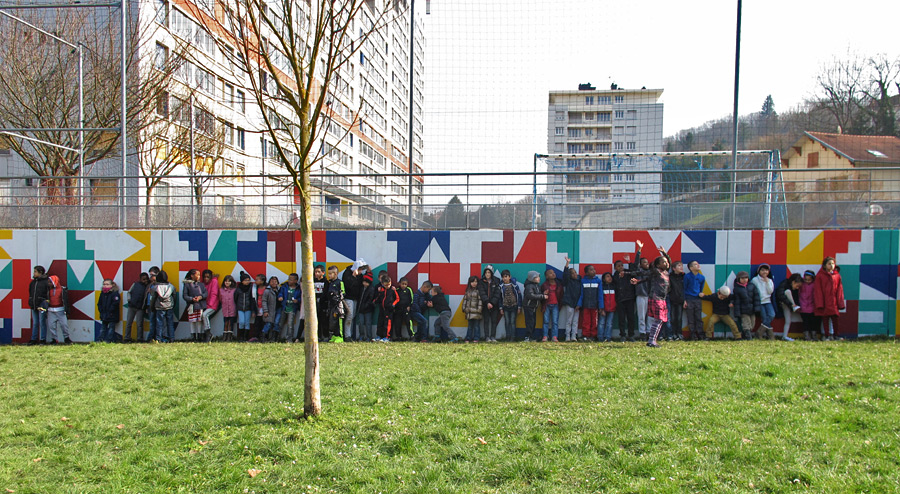
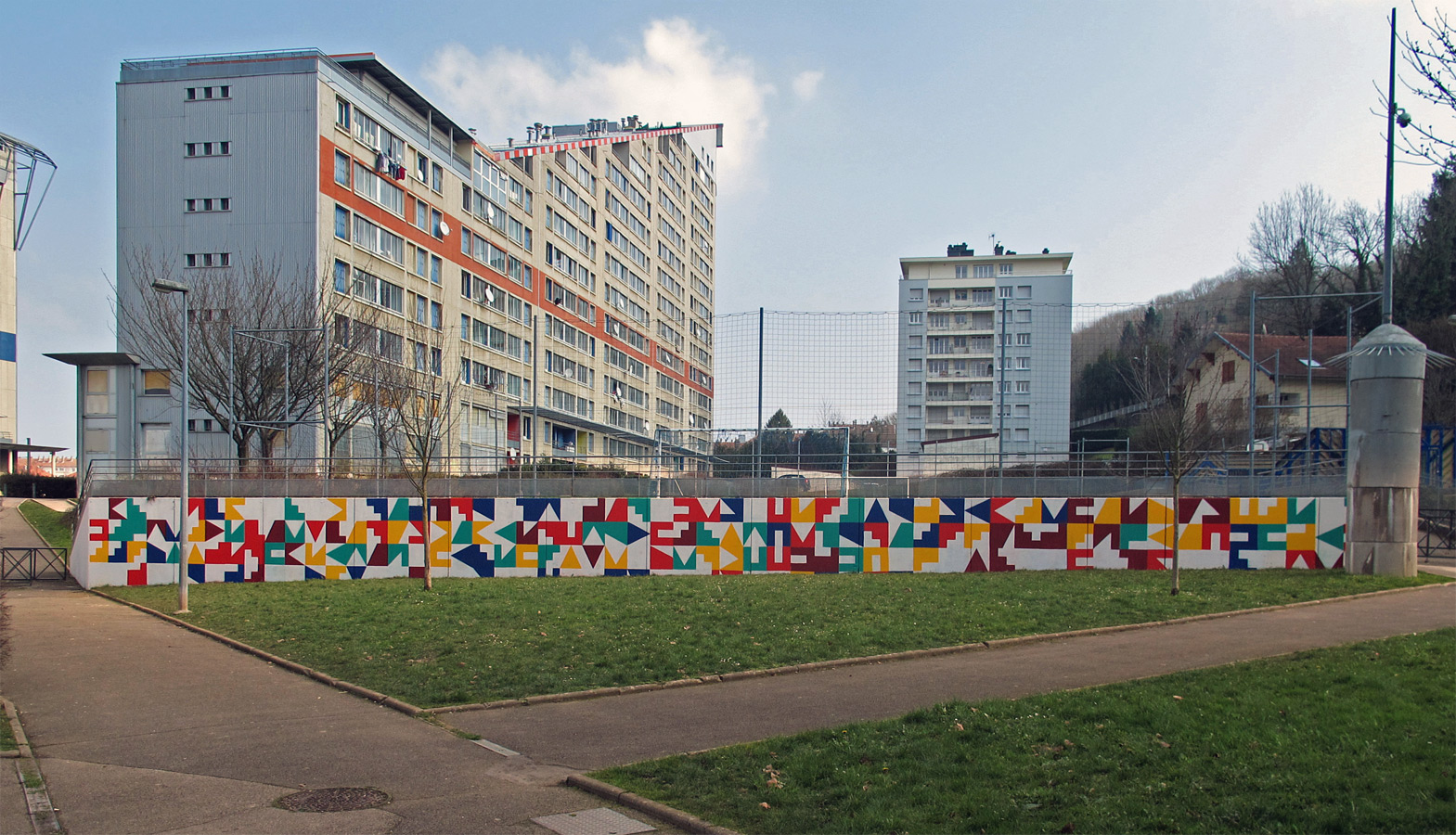
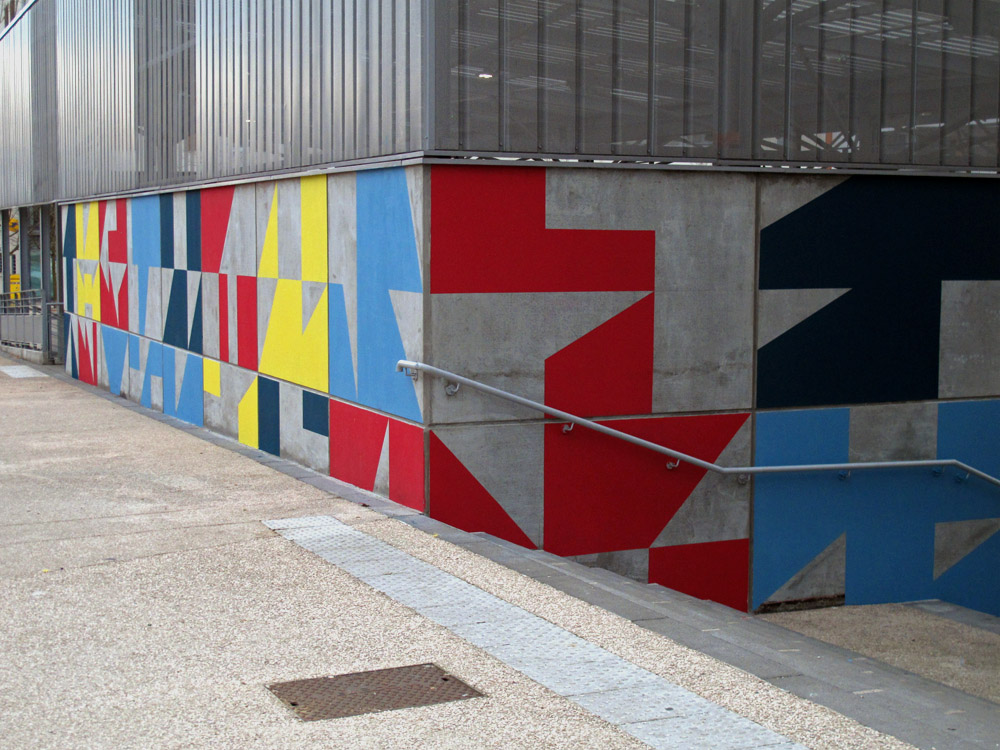
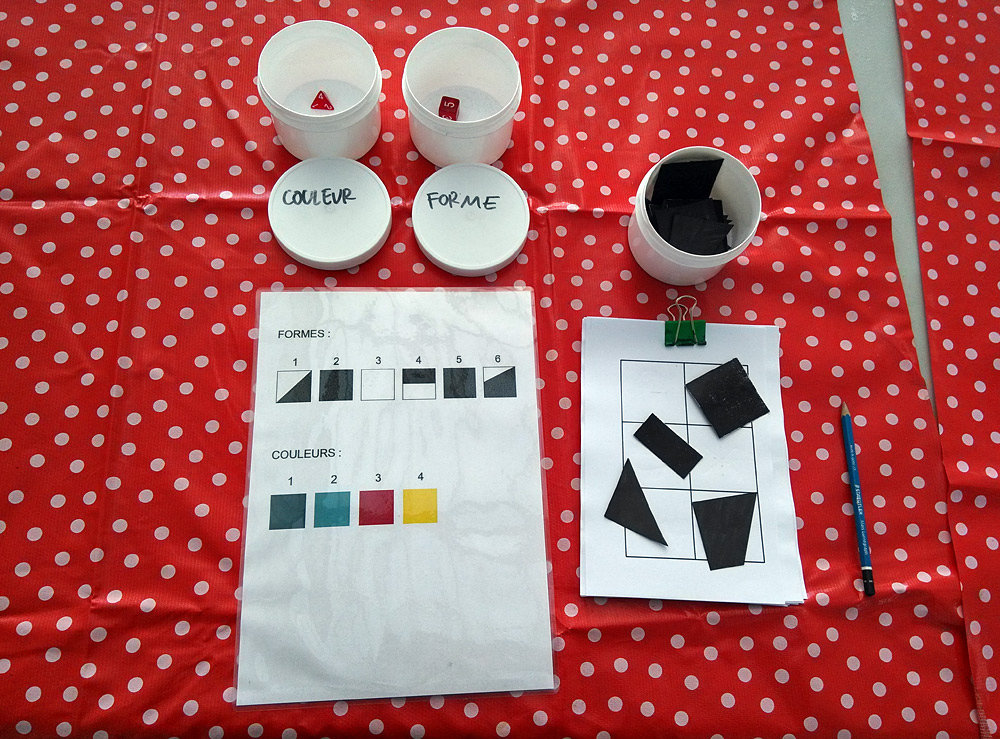
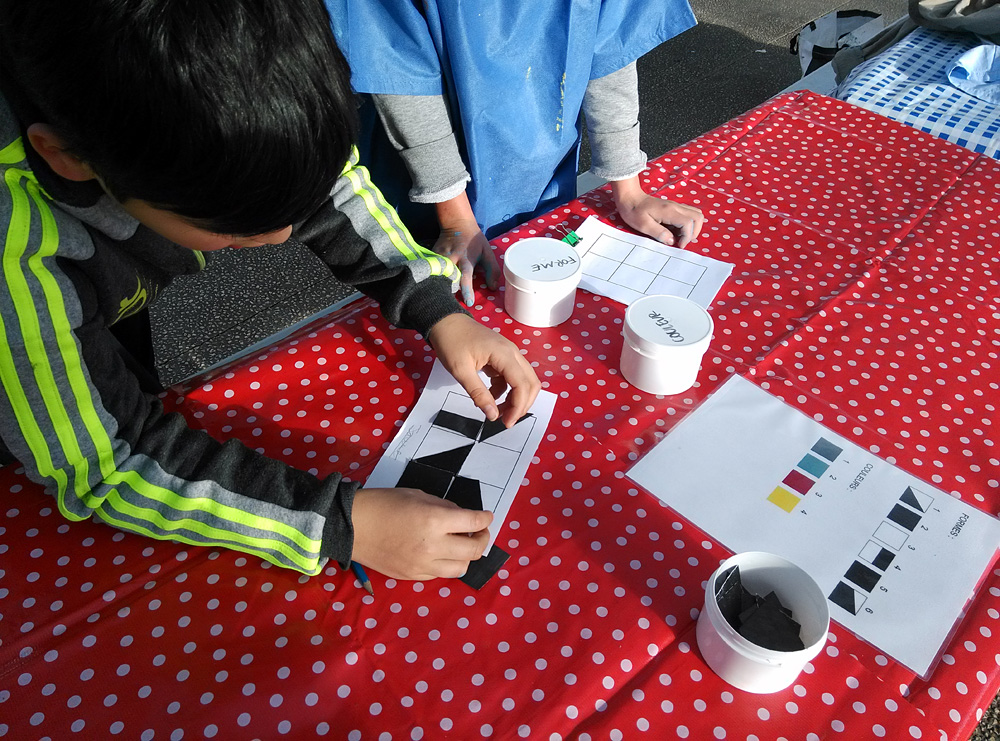
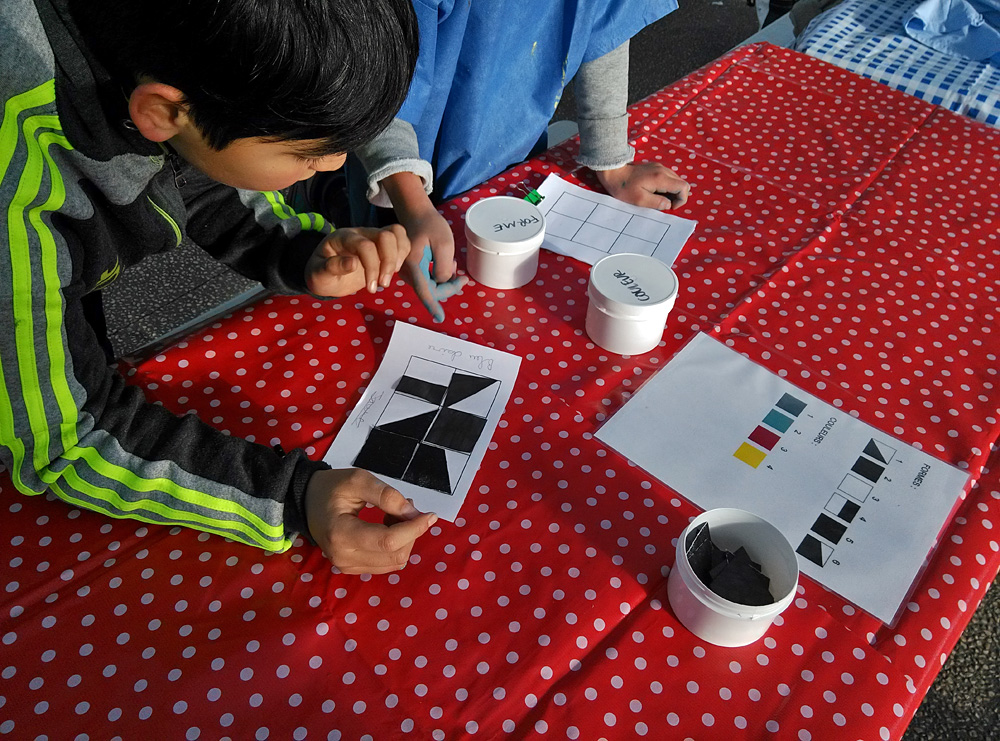
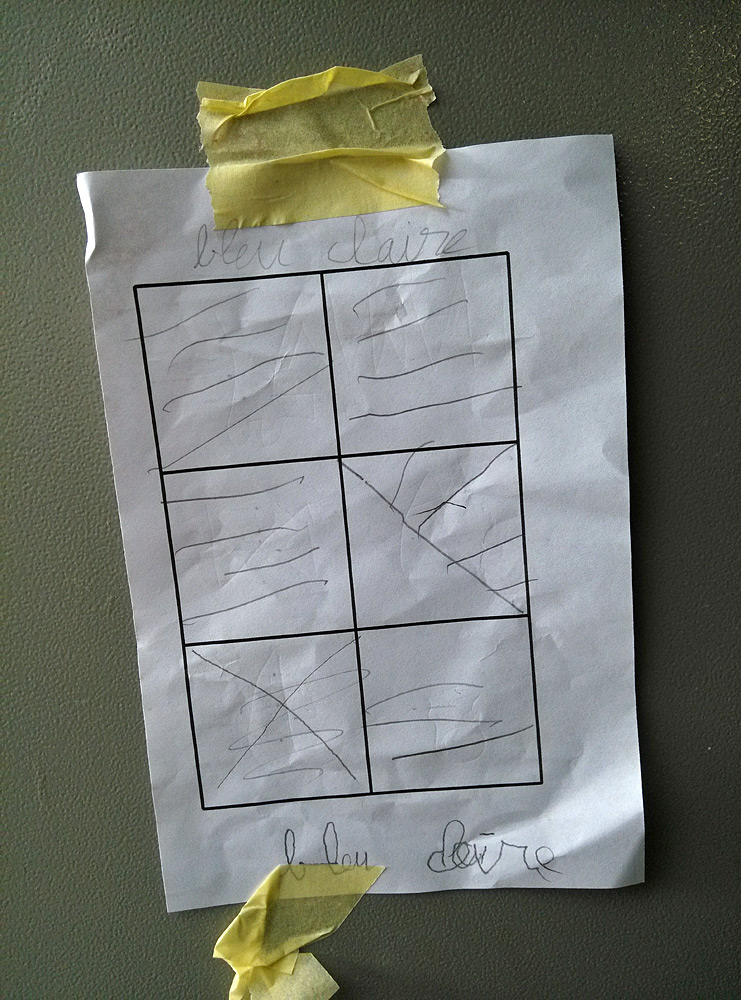
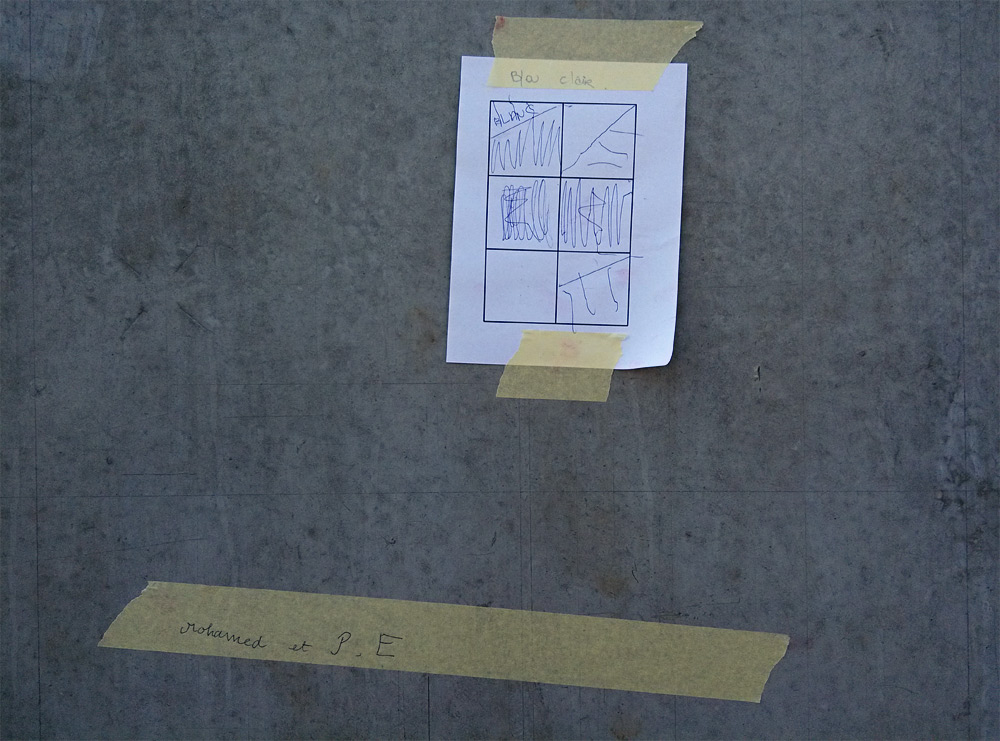
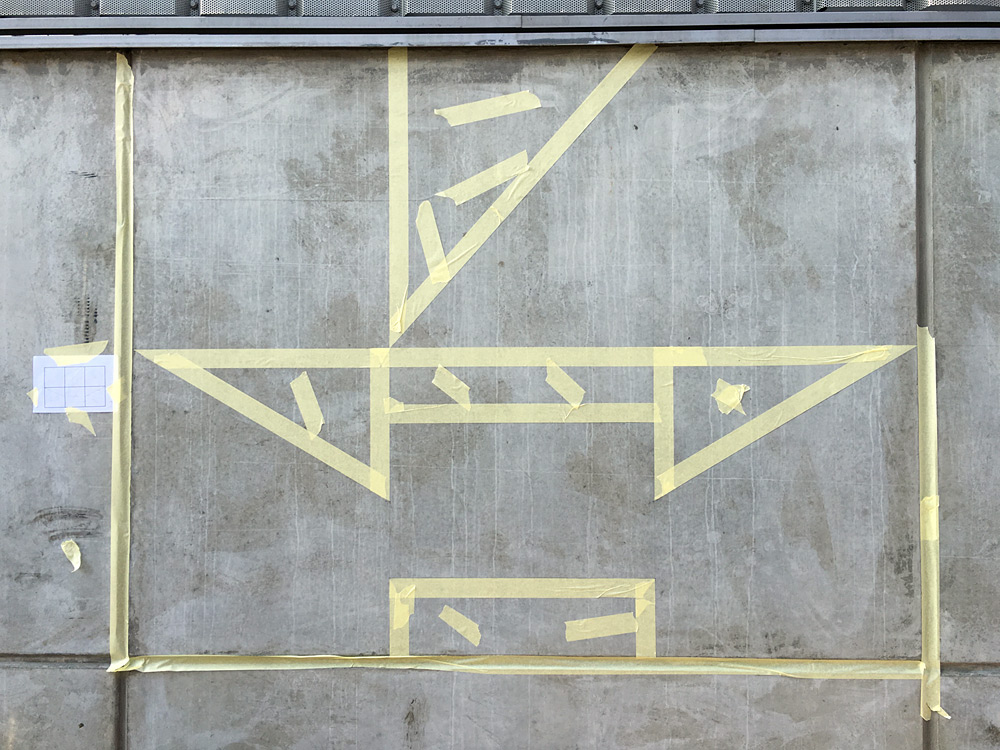
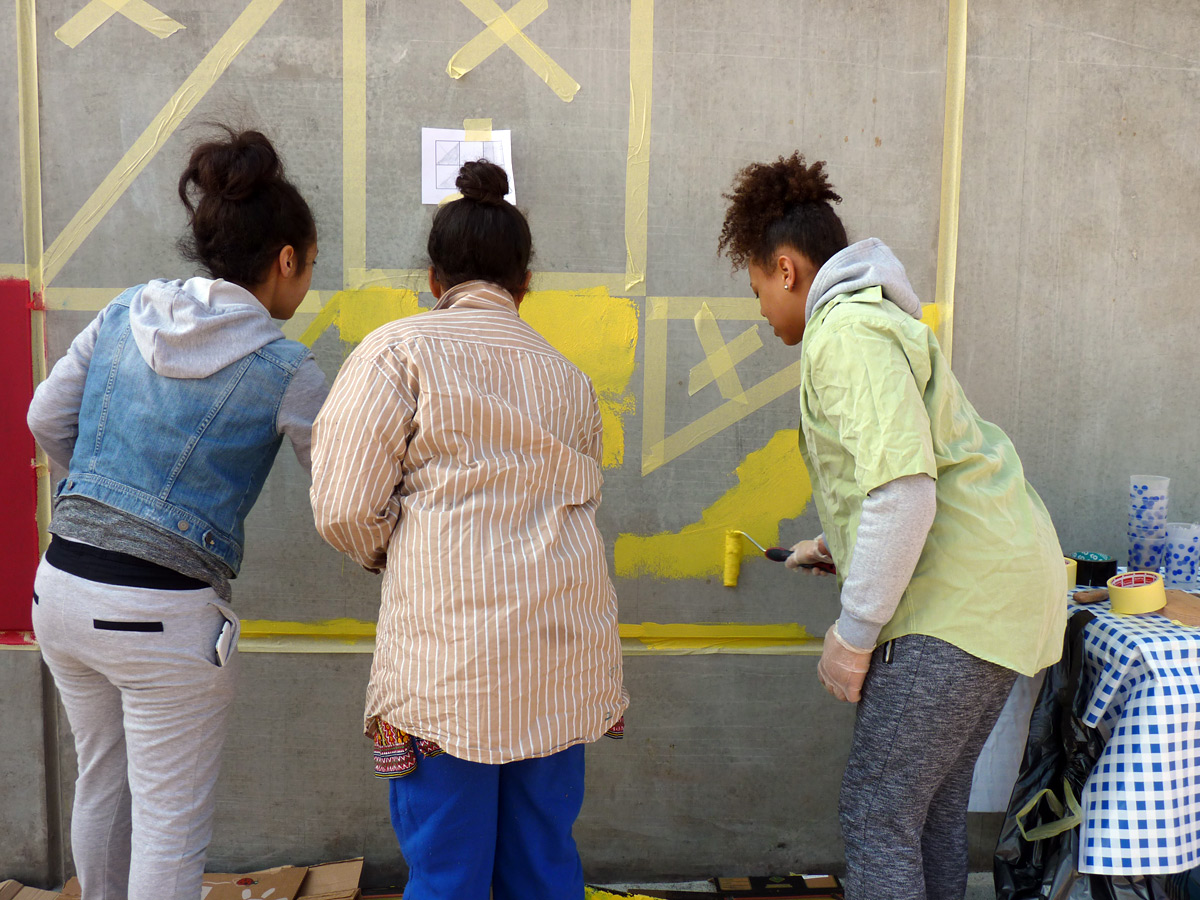
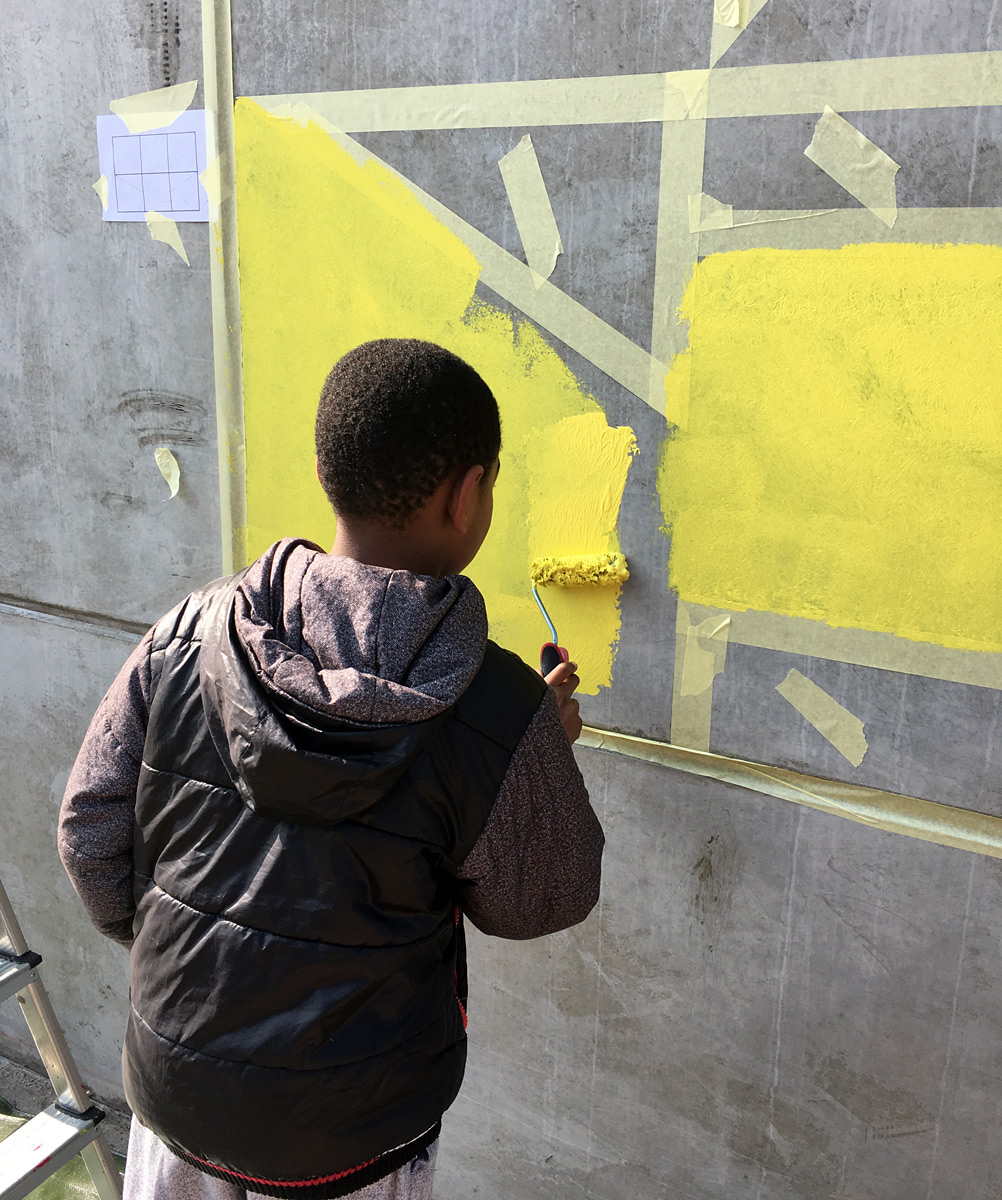
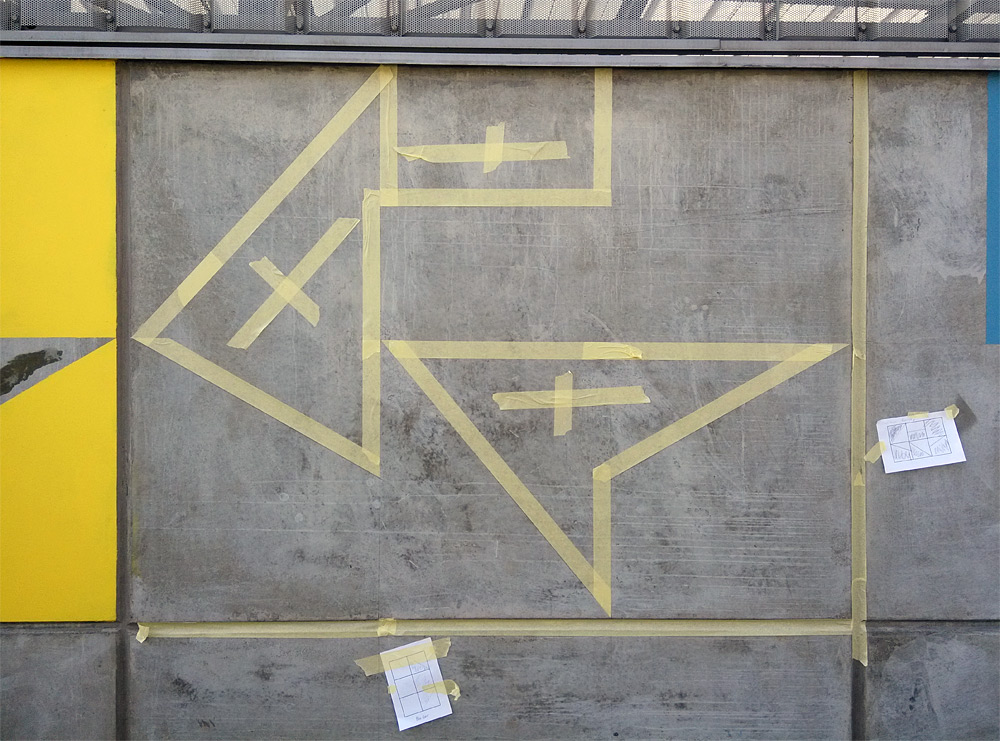
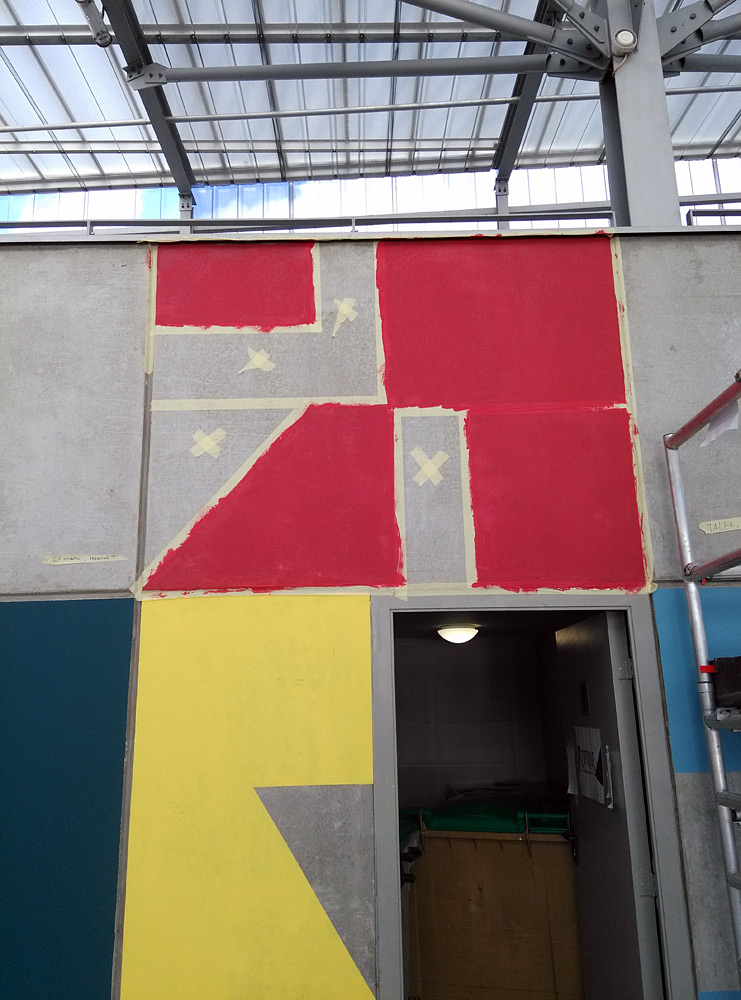
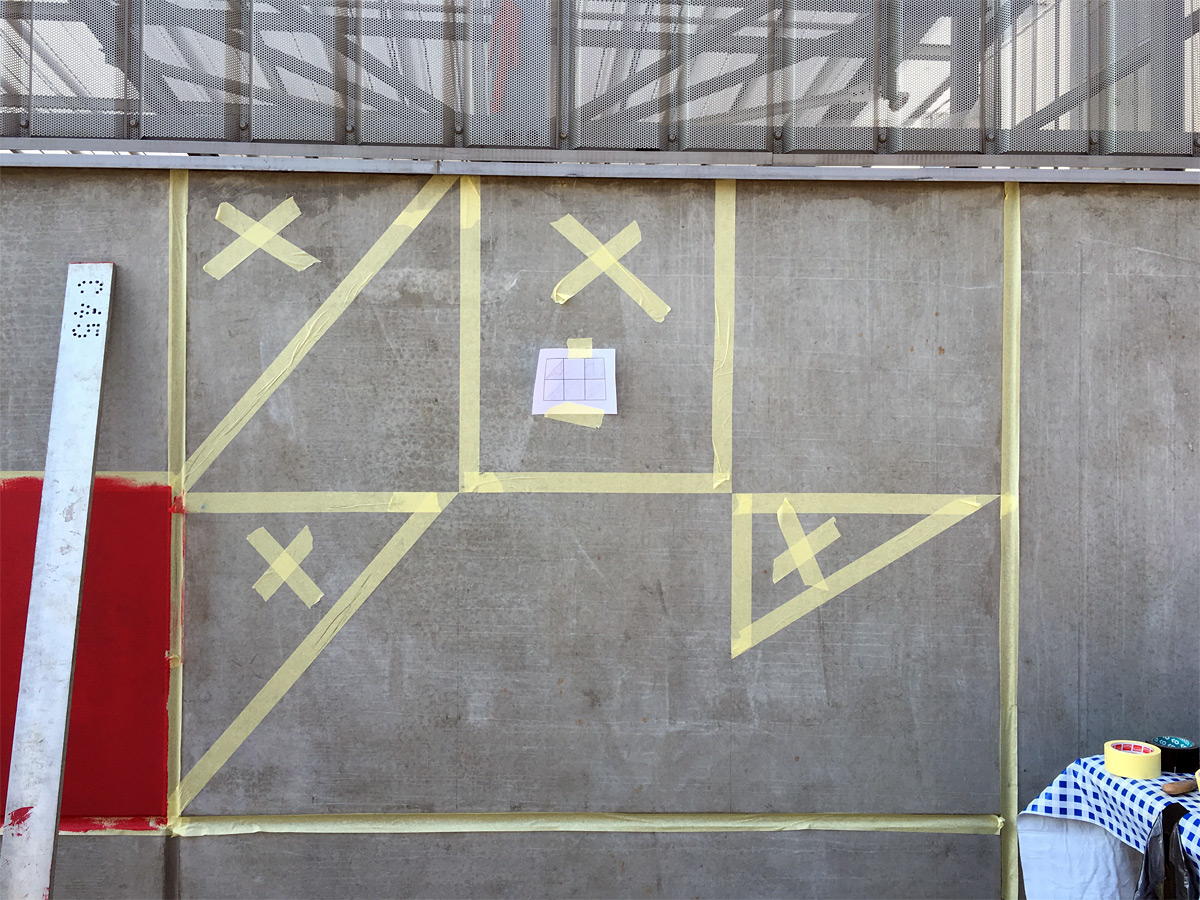
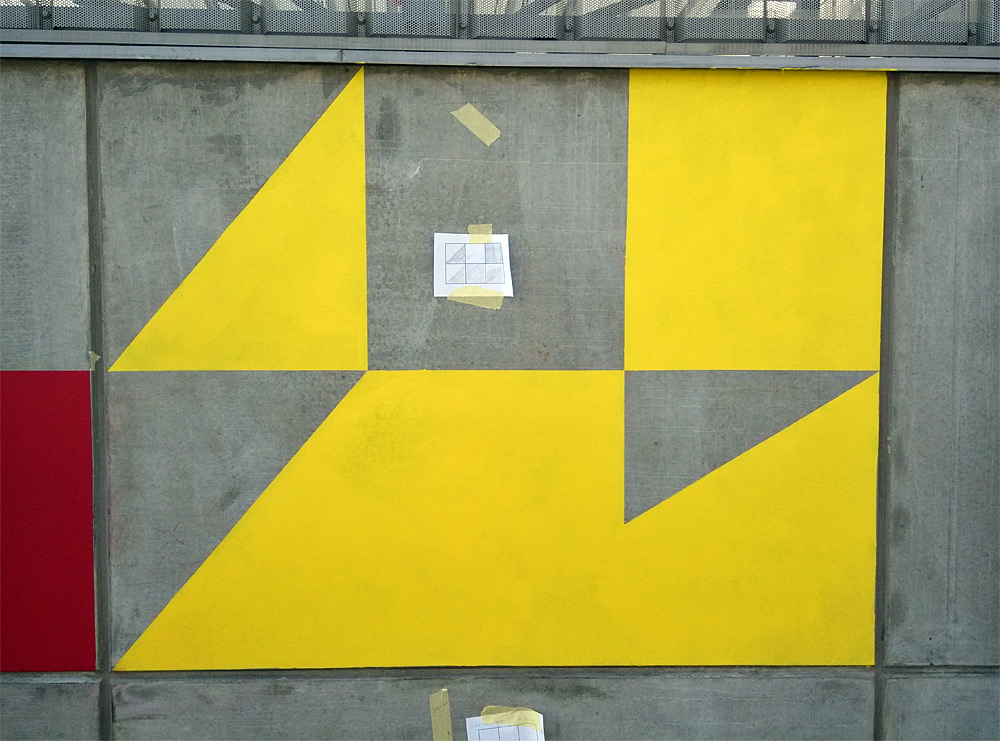
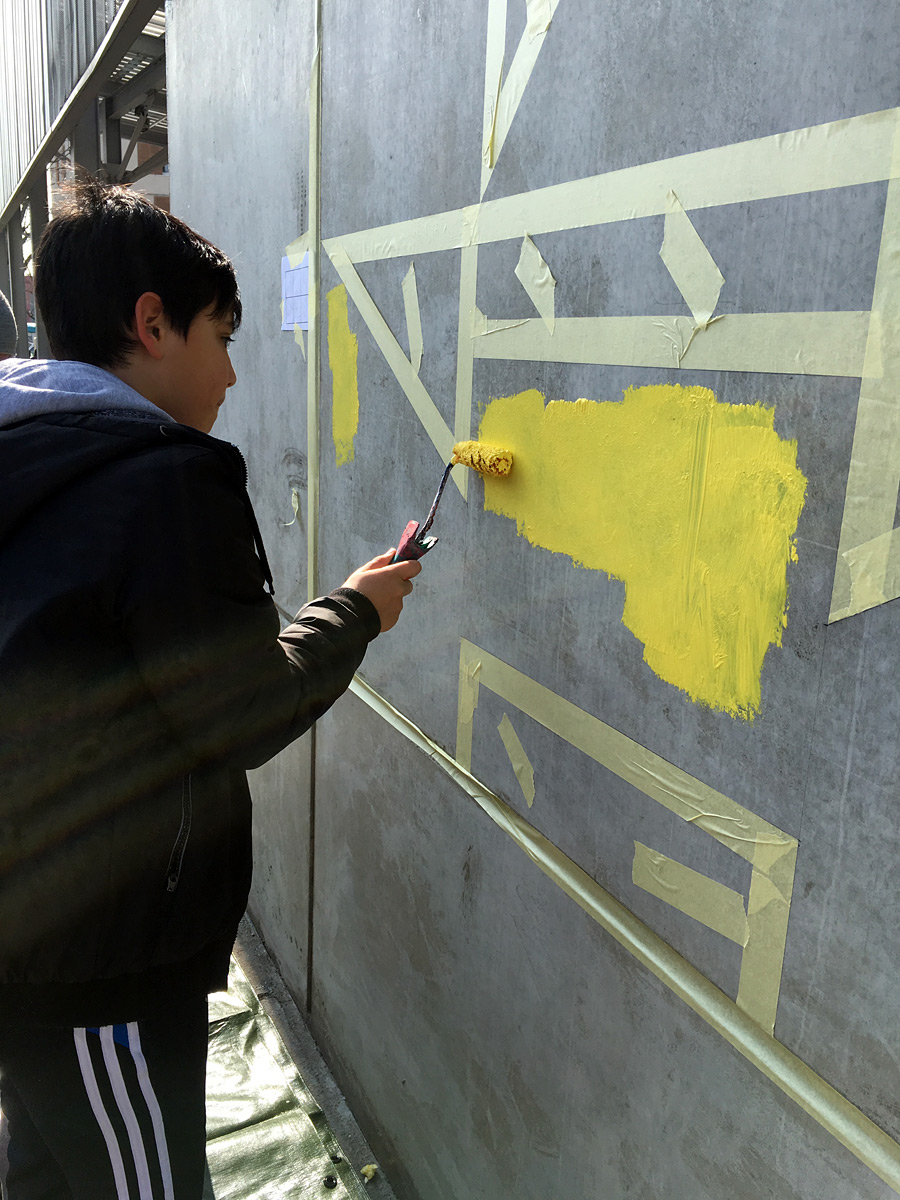
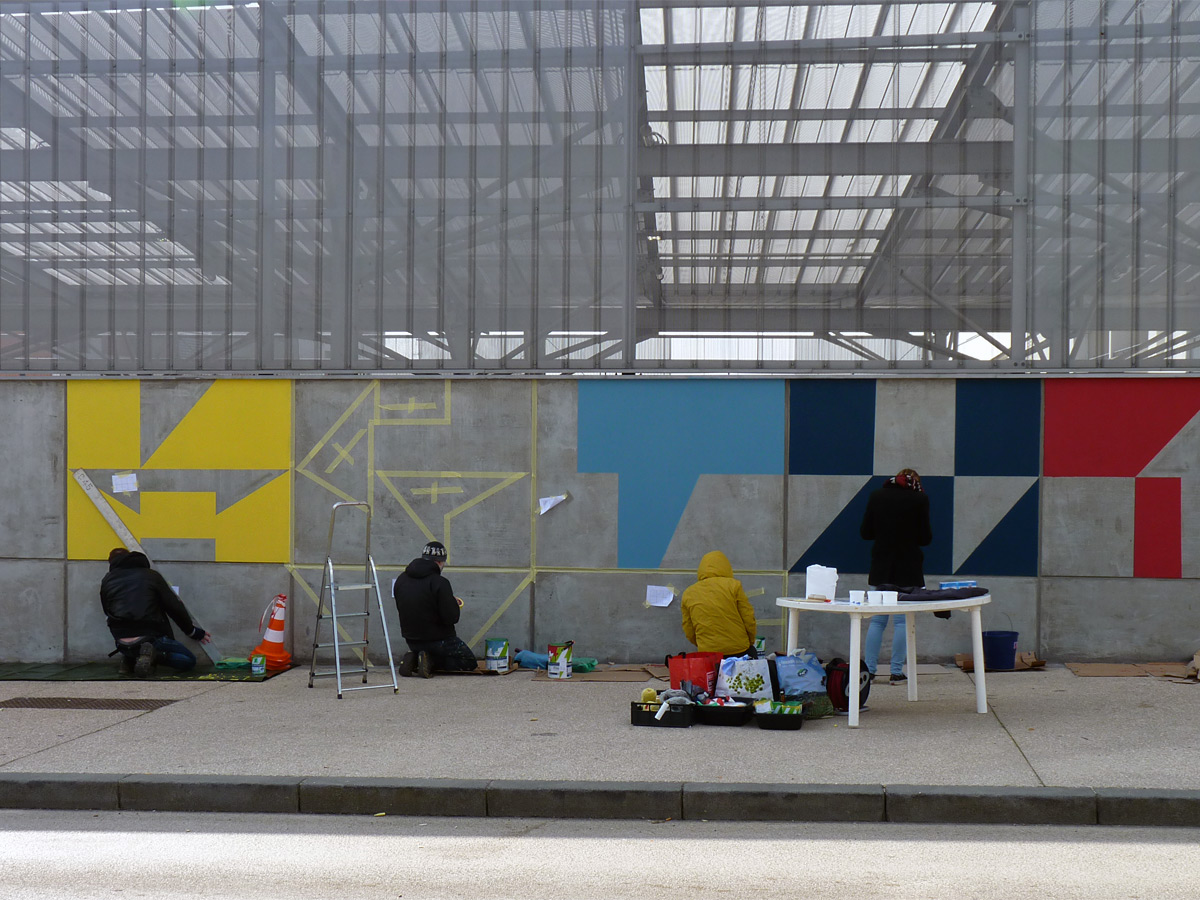
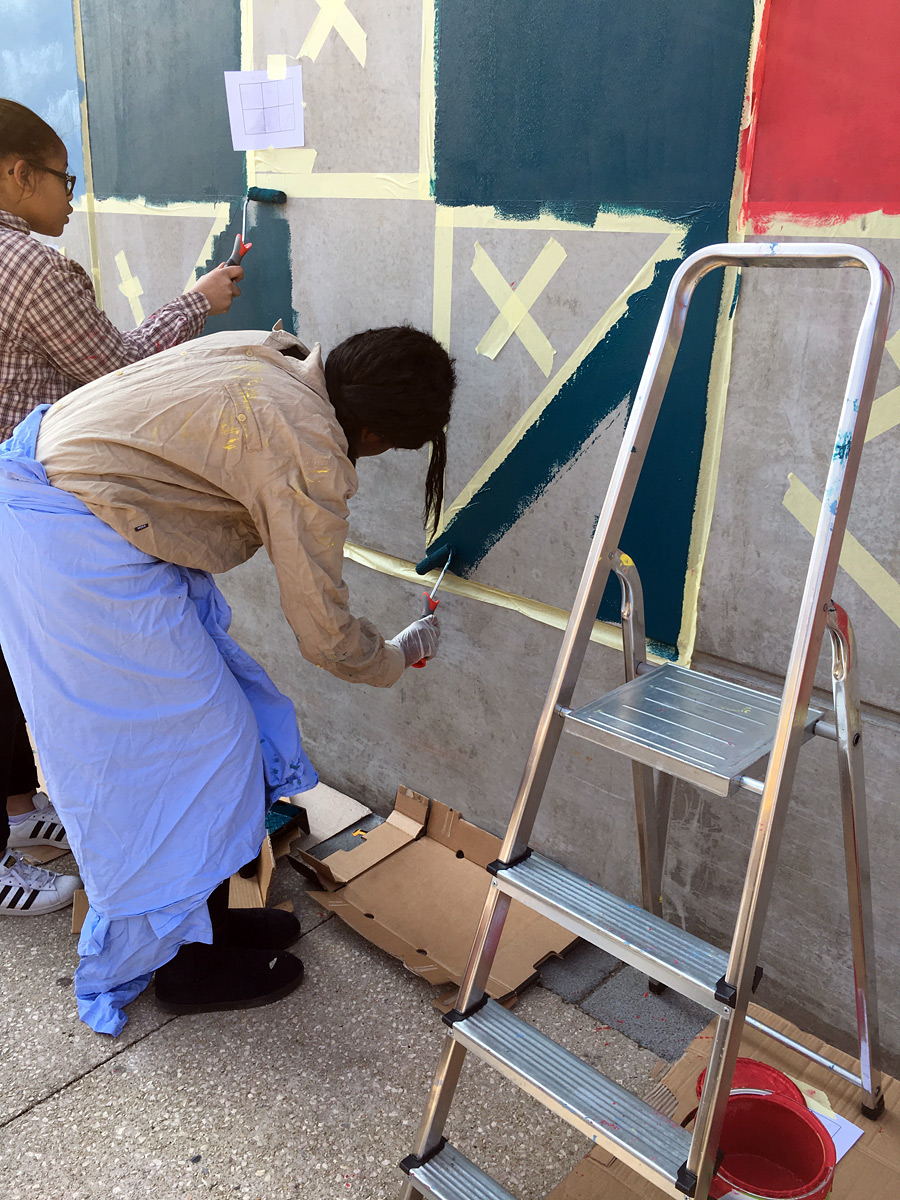
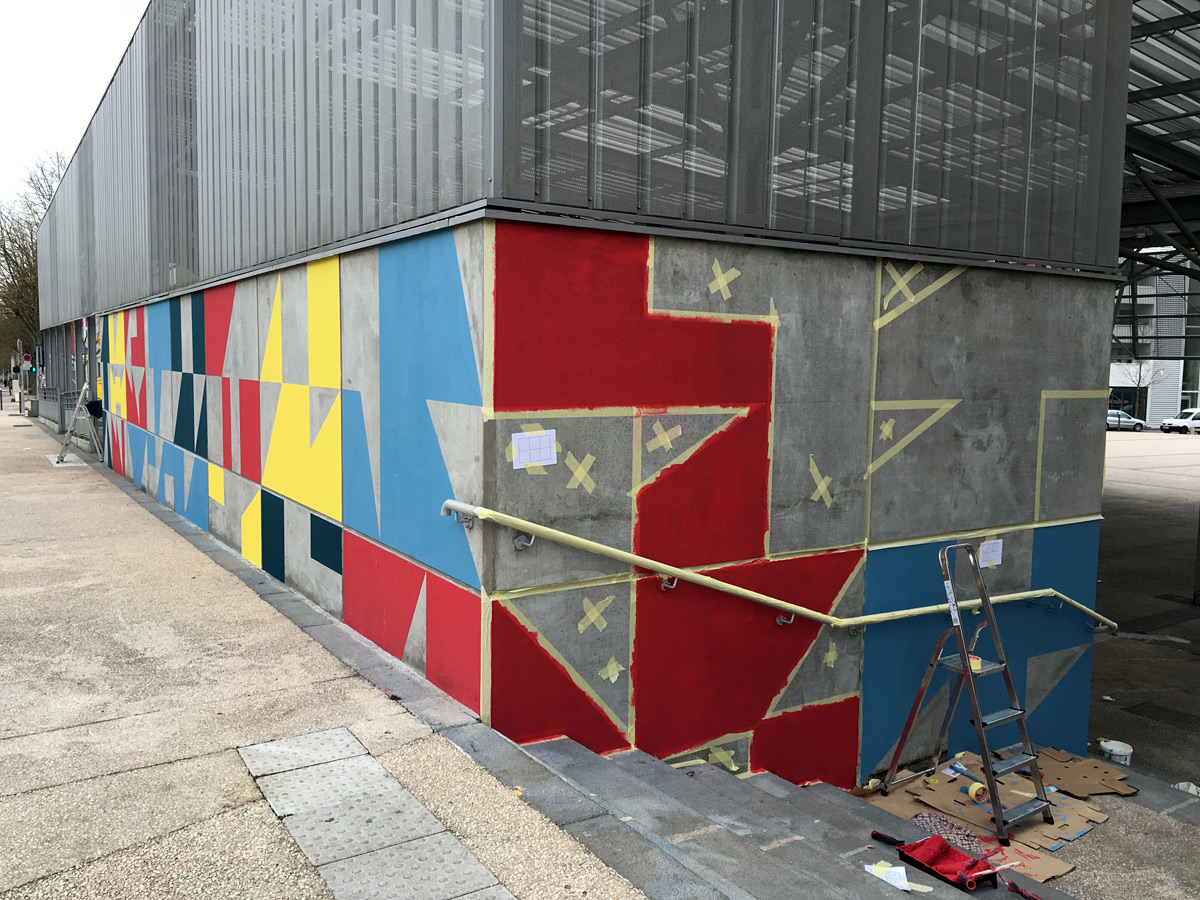
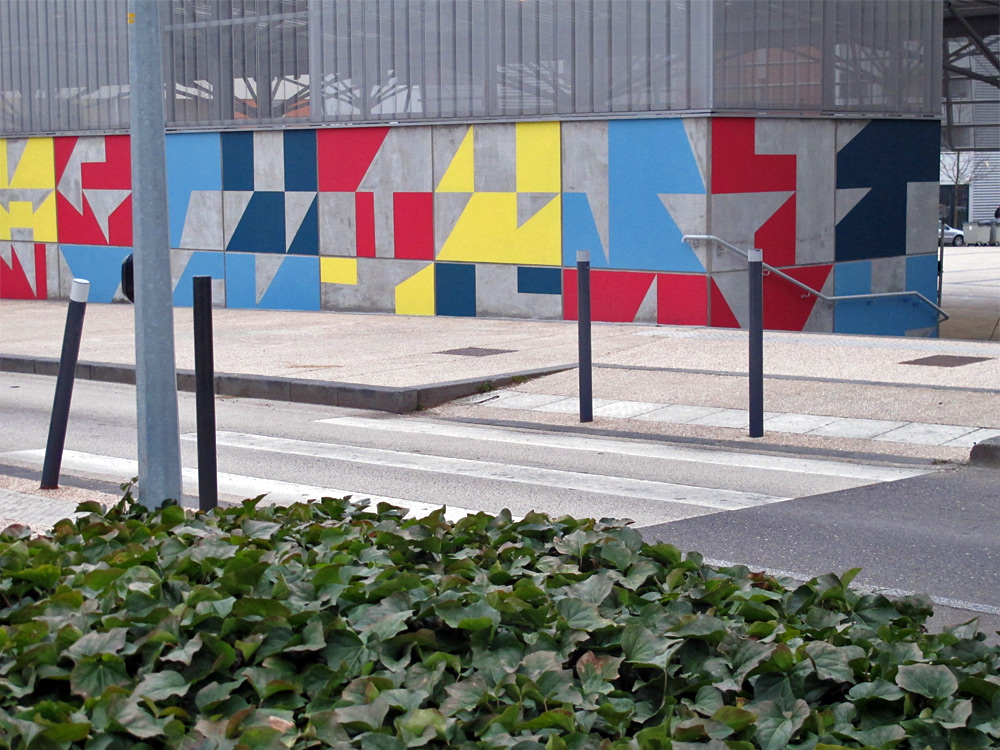
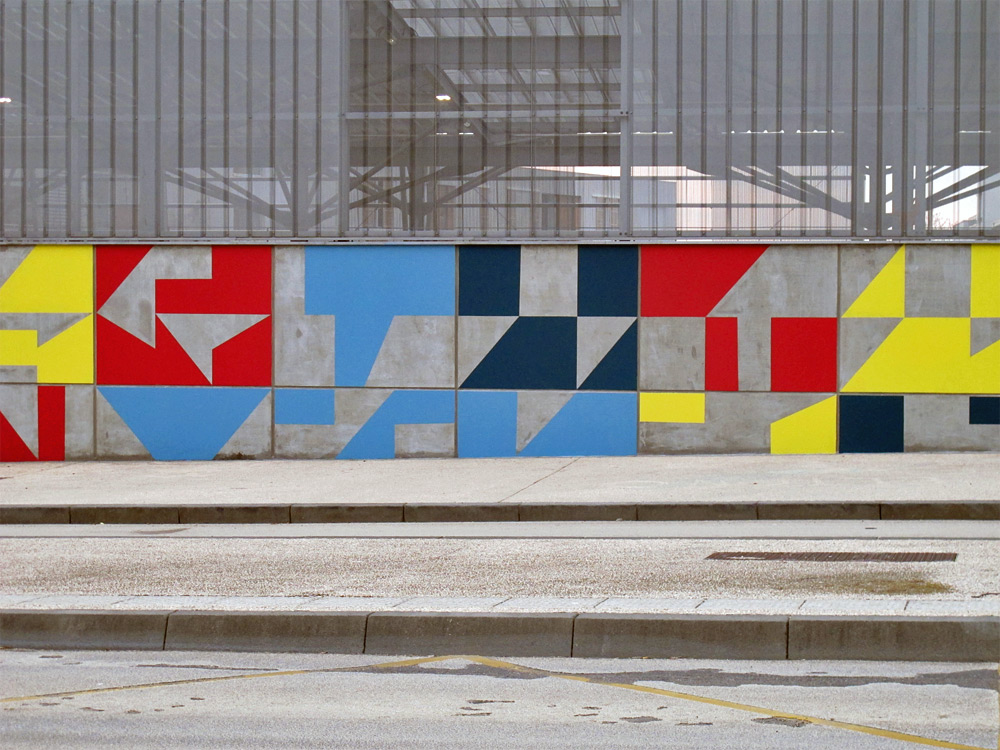
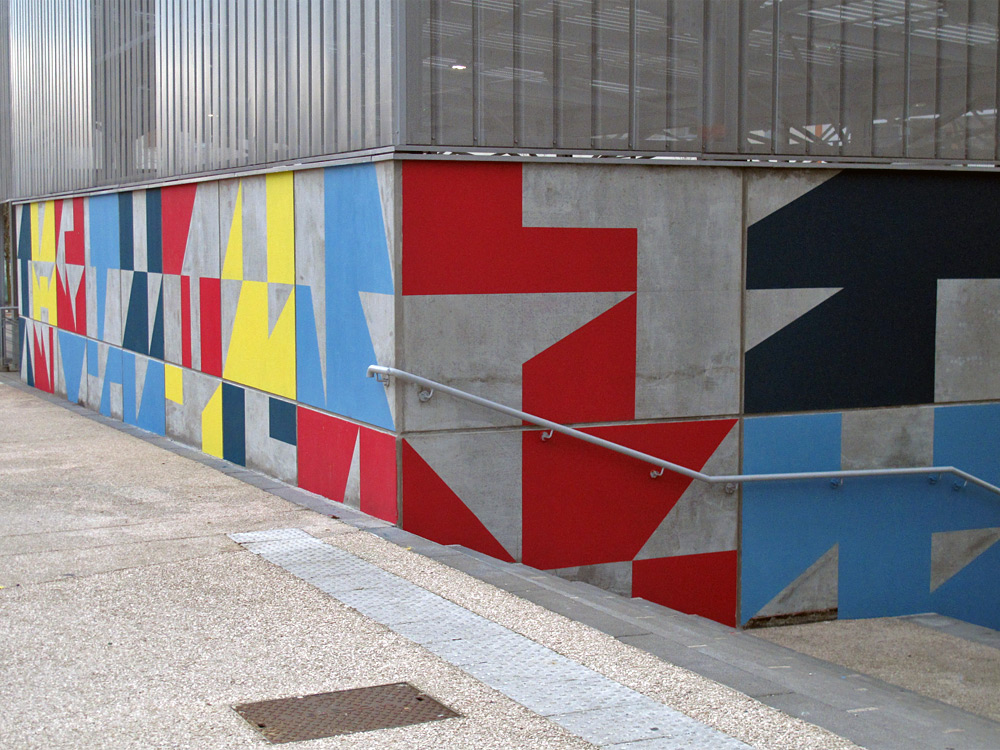
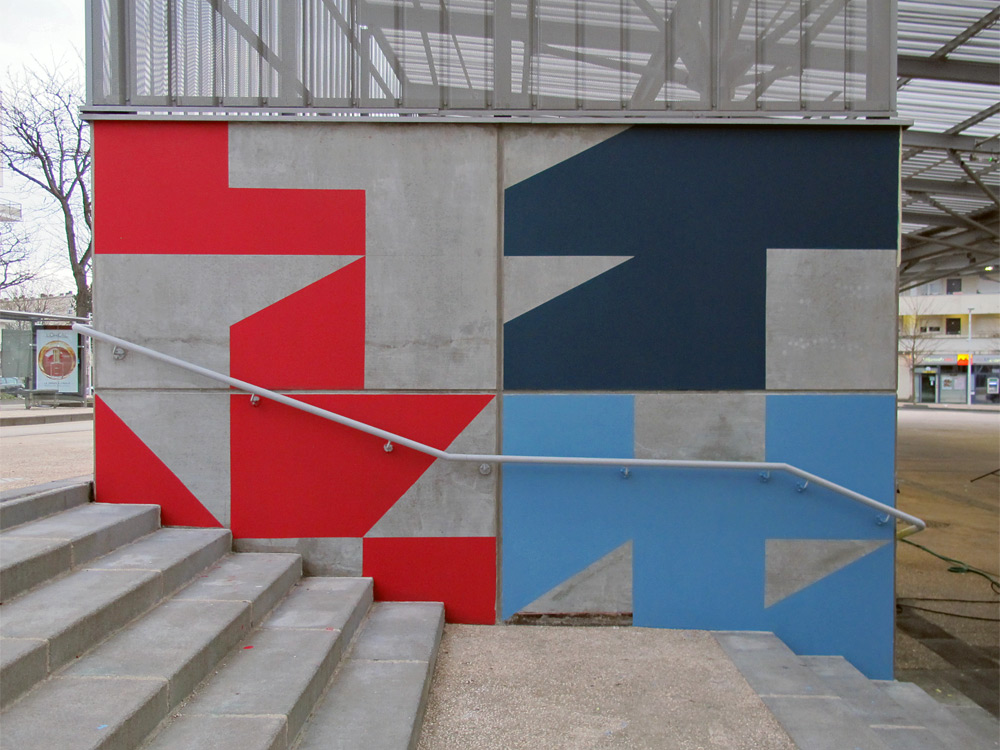
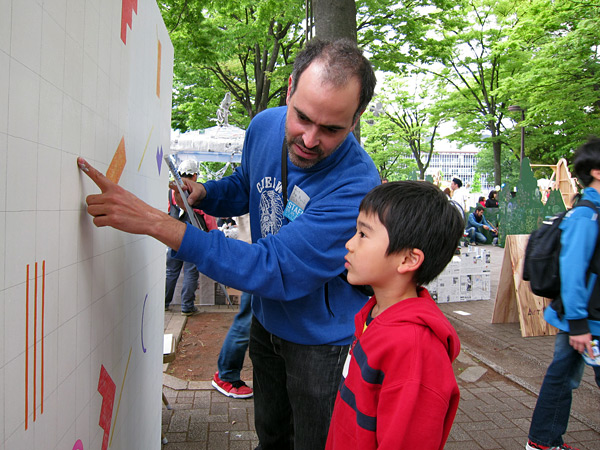
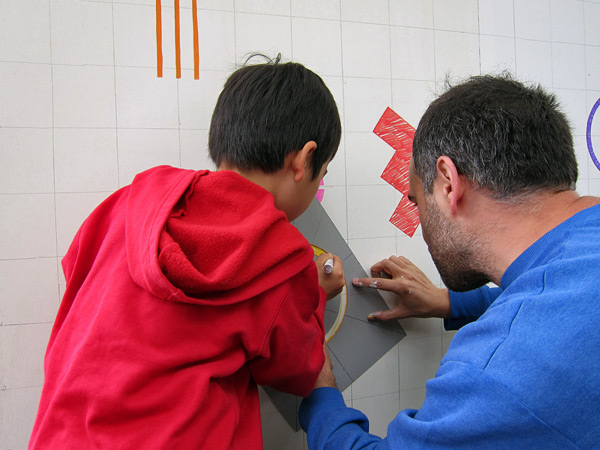
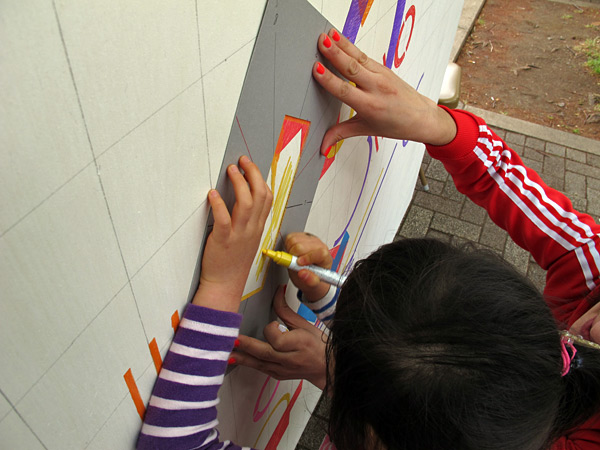
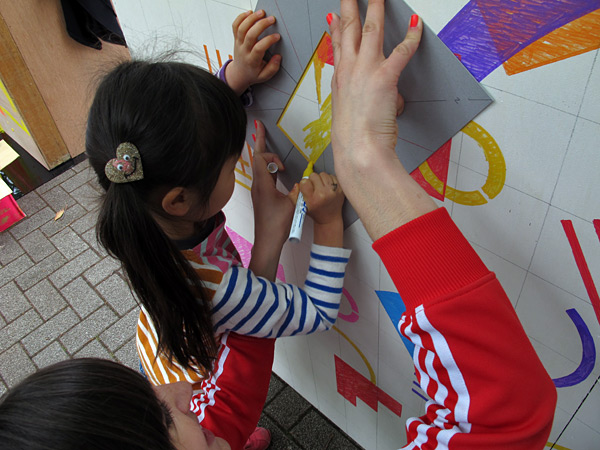
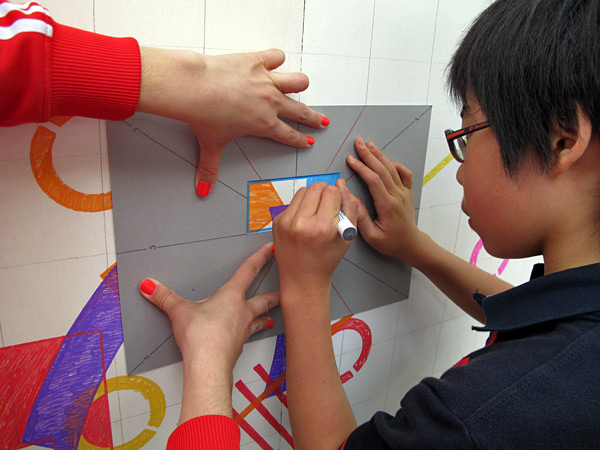
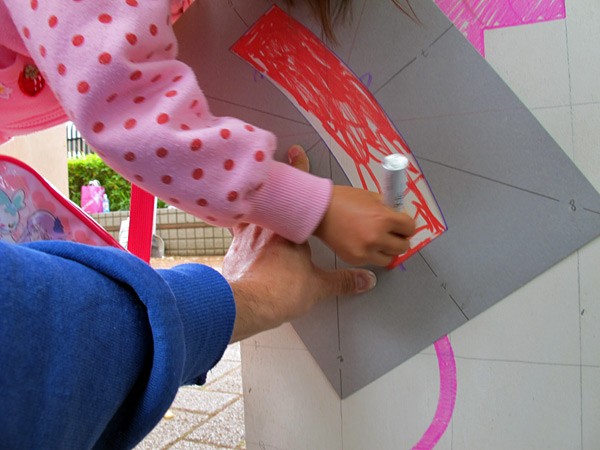
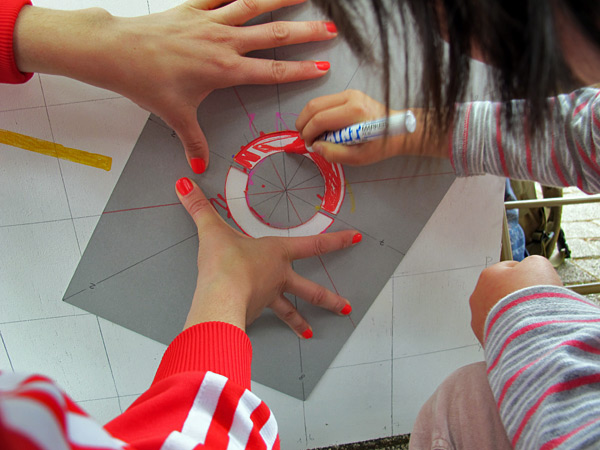
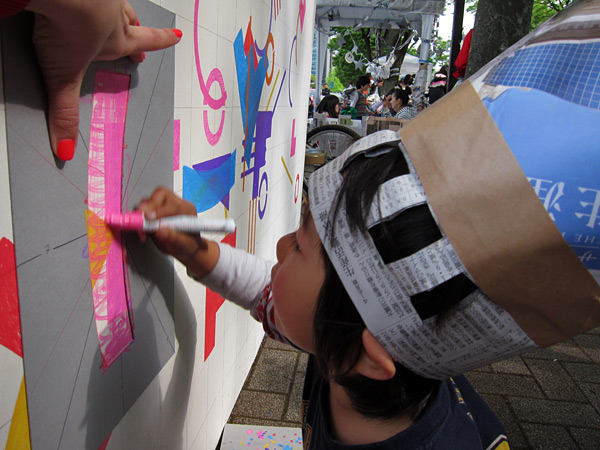
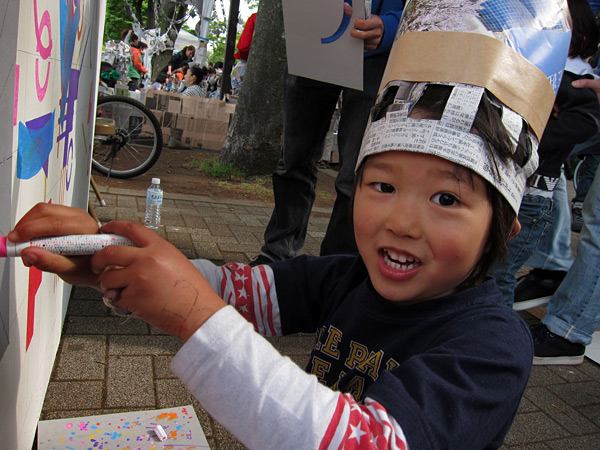
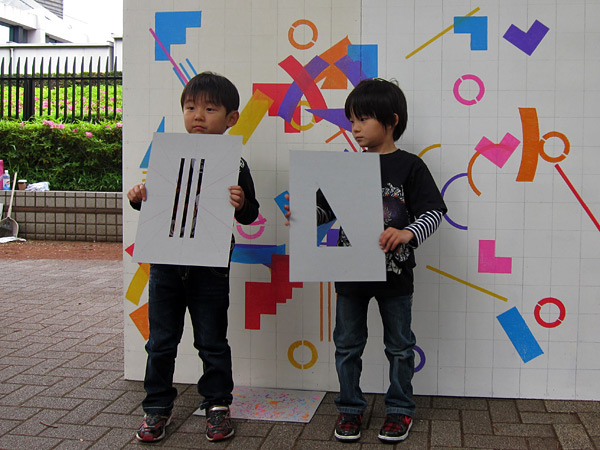
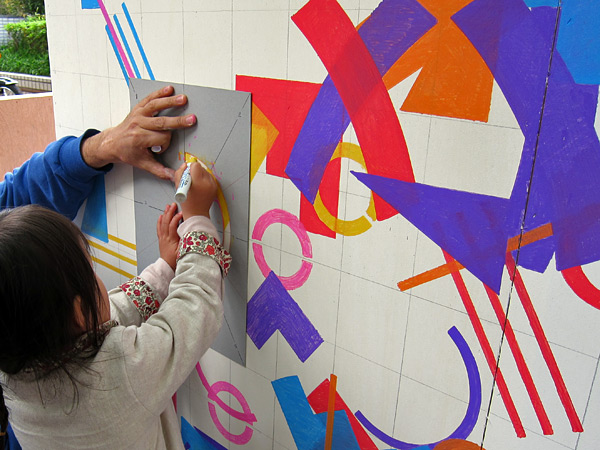
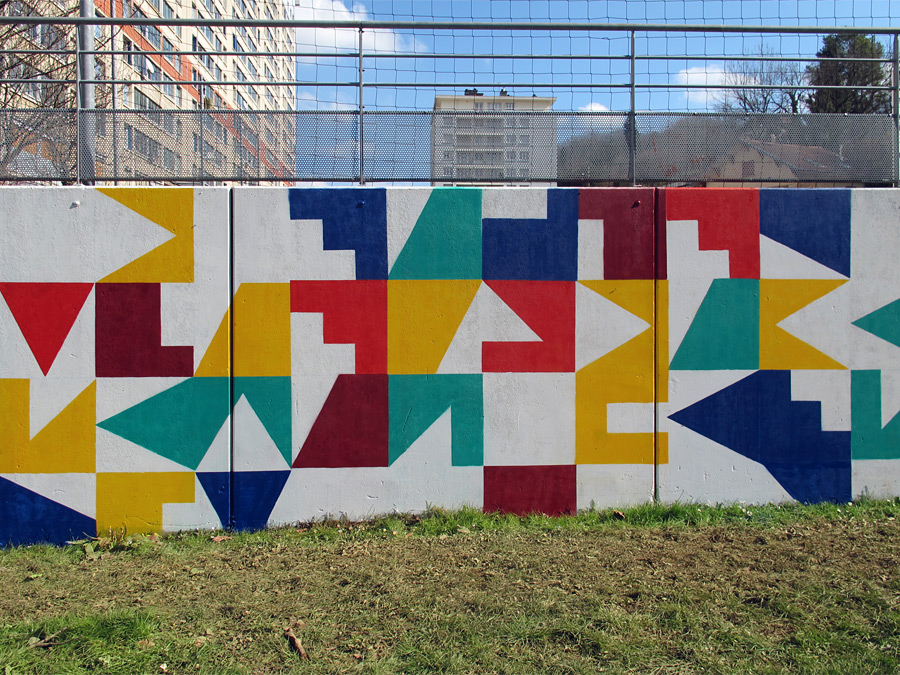
Peinture participative et générative
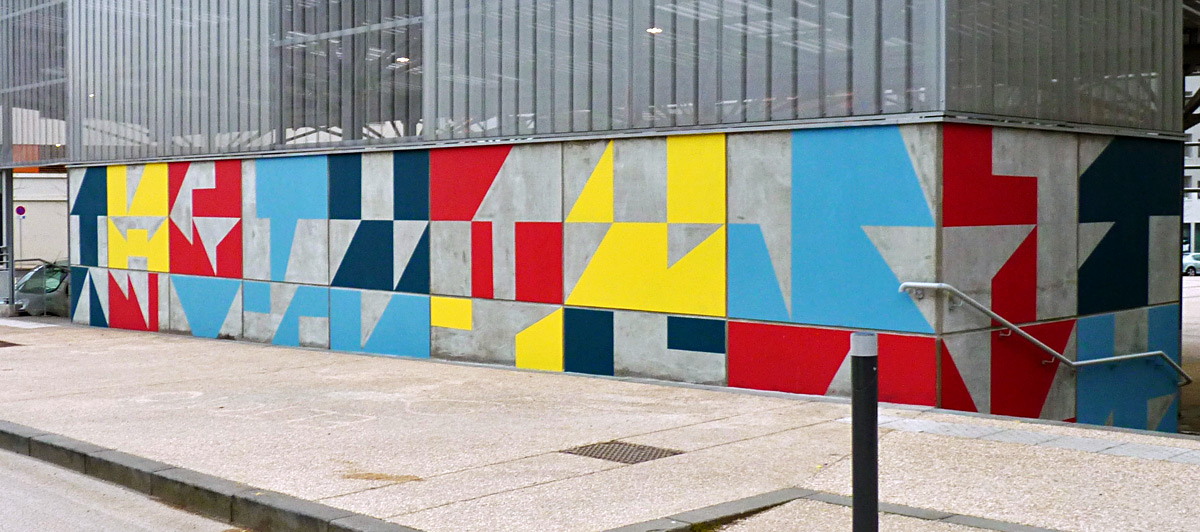
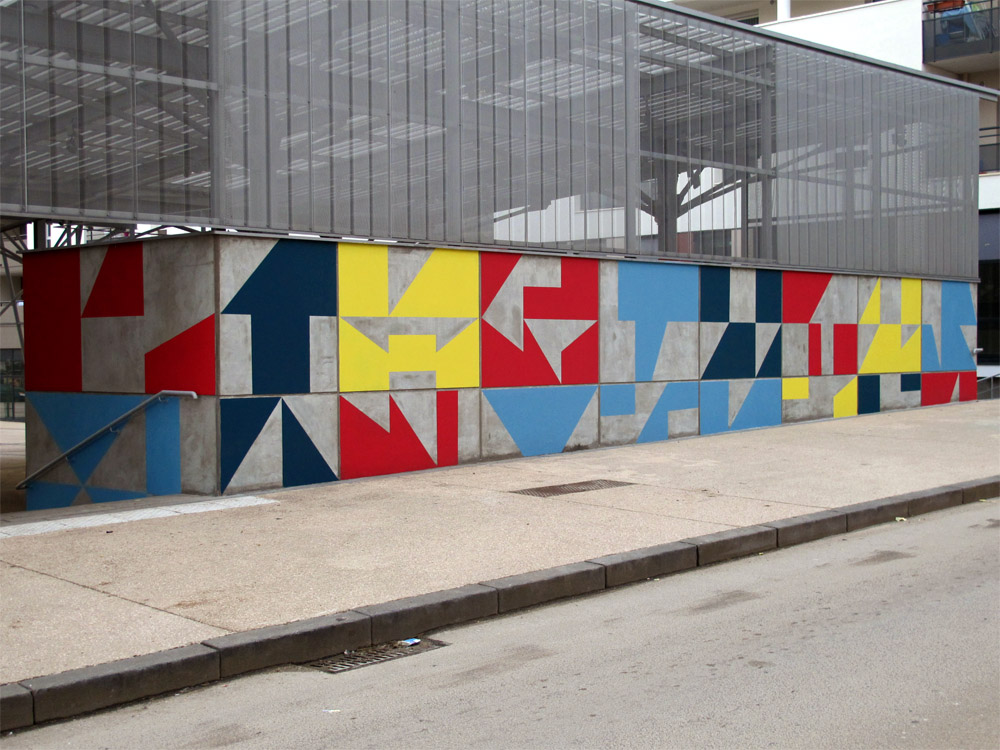
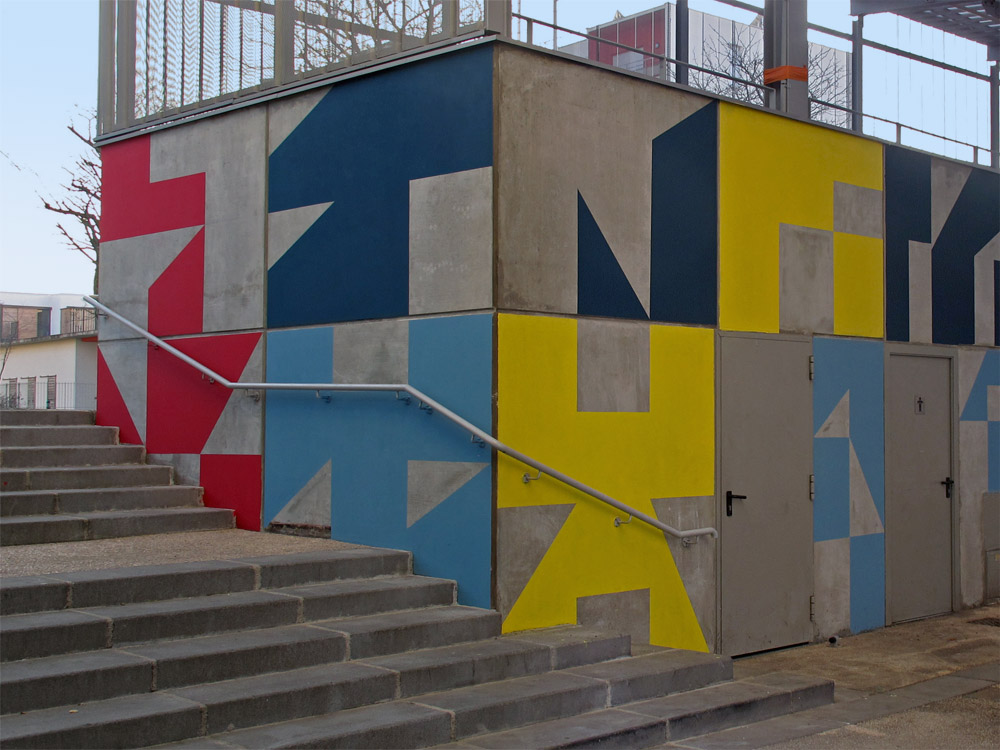
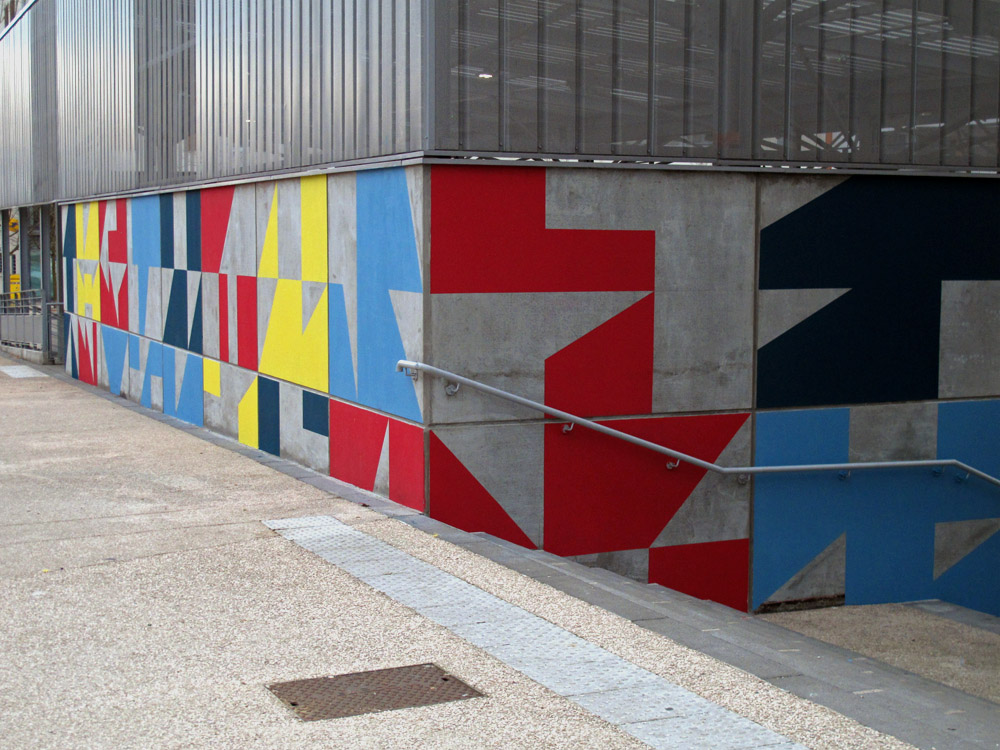
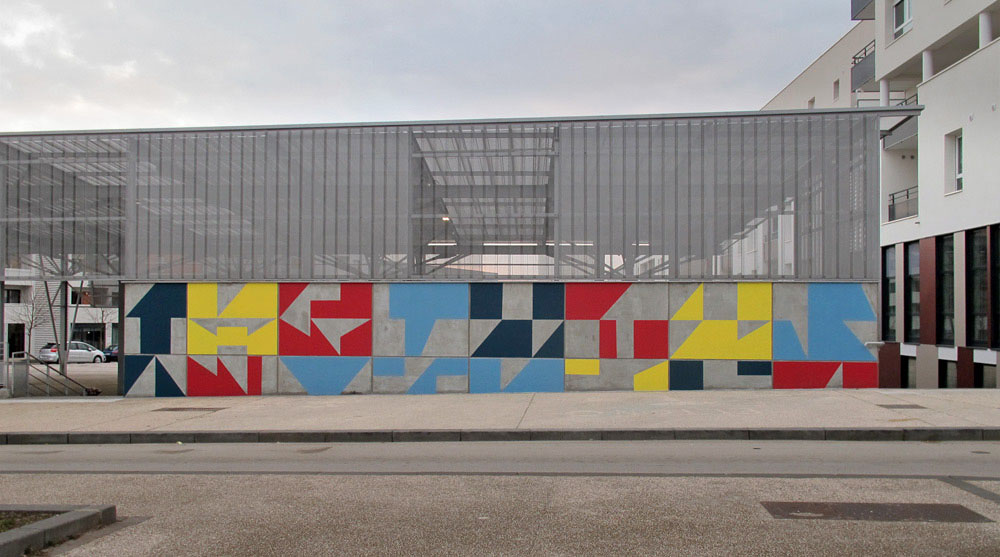
Cité Brûlard (les “408”)
Besançon, France 03/2016

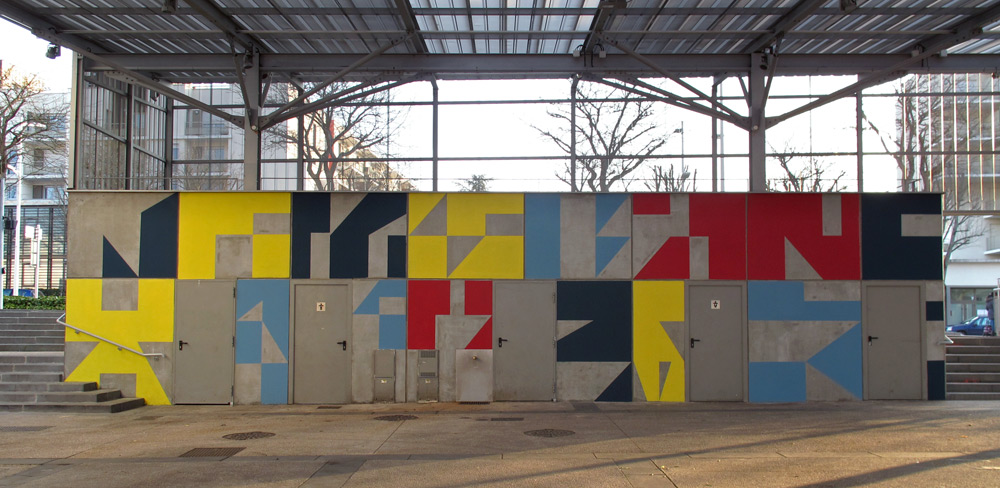
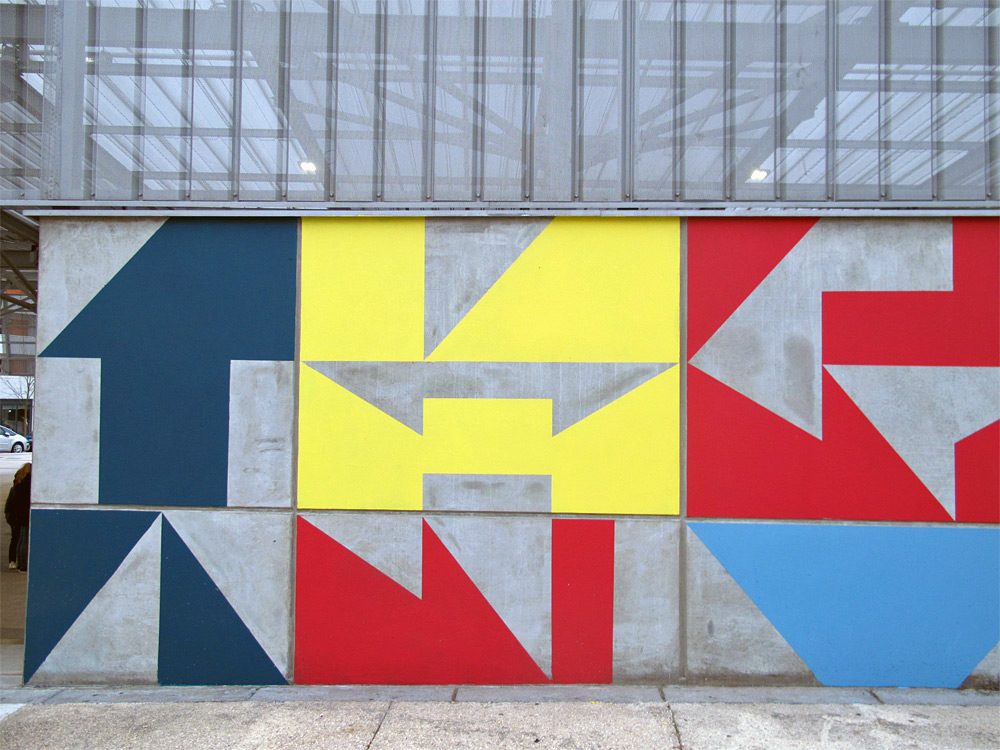
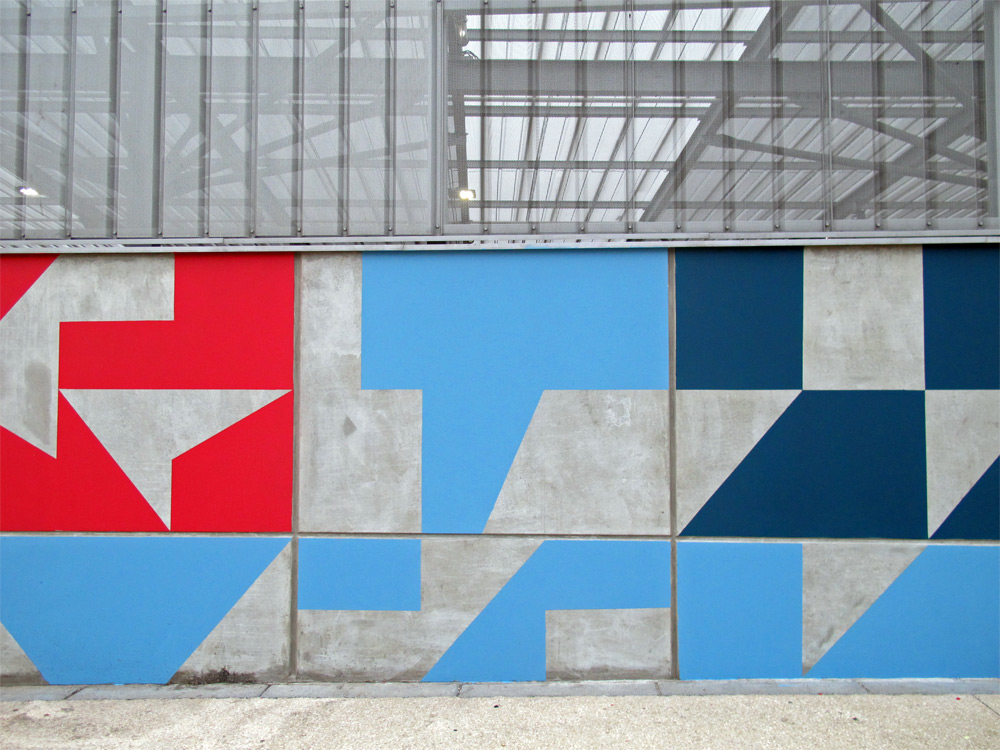
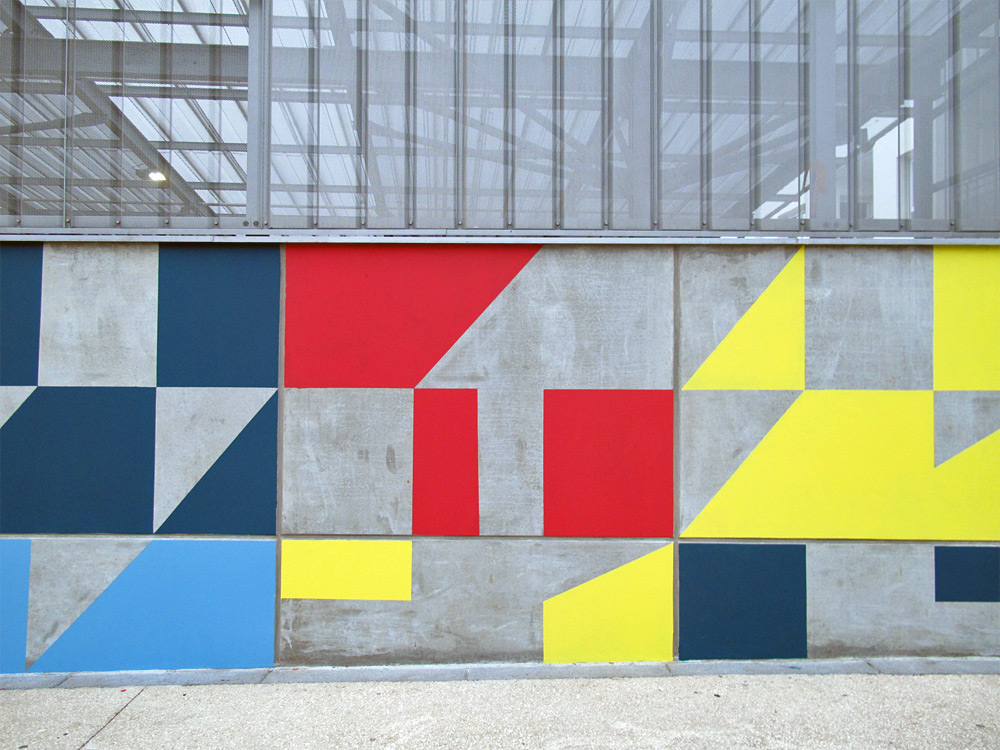
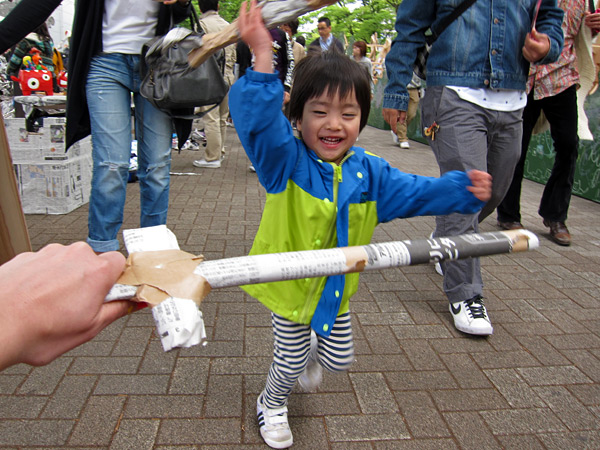
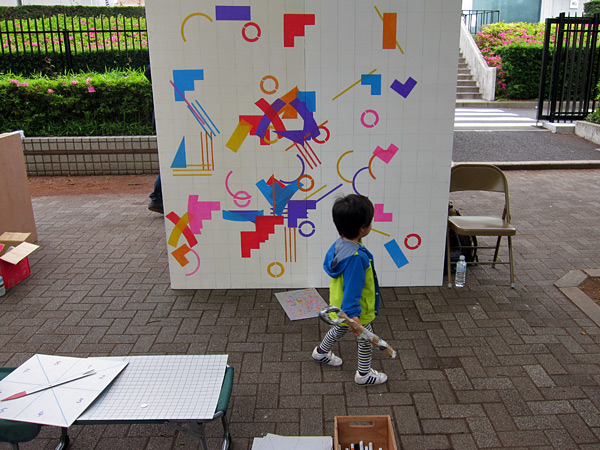
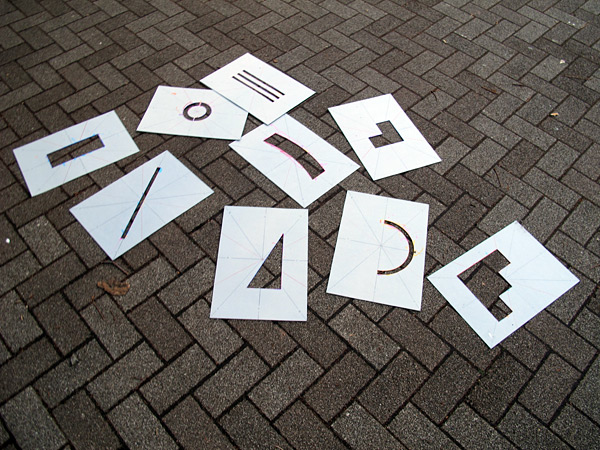
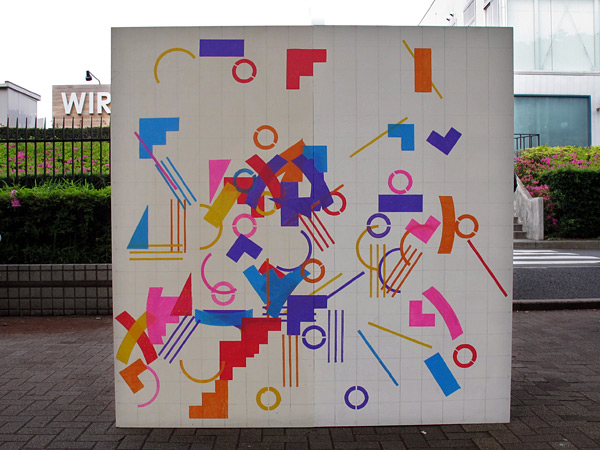
9 jours avec 125 participants – projet organisé par l’association Juste Ici dans le cadre d’un CLEA avec les écoles primaires de la Butte et de la Grette.

Merci à toute l’équipe de Juste Ici, aux volontaires (Fany et Sandrine), à la MJC Grette-Butte, aux résidents des 408, aux enseignants des écoles de la Grette et de la Butte et surtout aux 125 élèves qui ont participé à la peinture.

Photos de Fany et Eltono

Modo n.º1

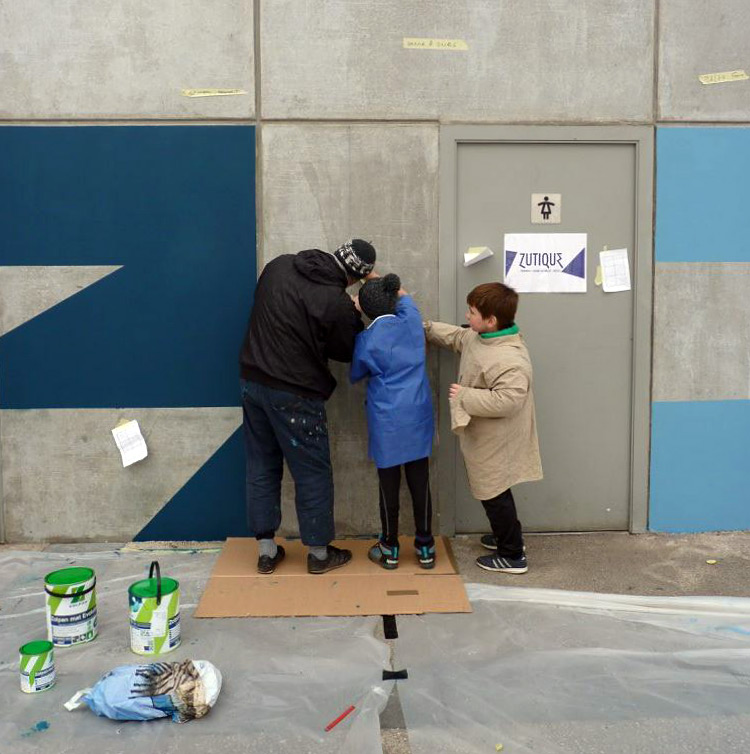
Peinture participative et générative
Marché des Grésilles
Dijon, France 03/2016

4 jours avec 30 participants – projet organisé par Zutique avec la participation des enfants de la MJC et du centre social des Grésilles.

Biennale Le Havre

Désolé, cet article n’est pas encore disponible en français.
En attendant, vous pouvez toujours le lire en English ou en Español.

4th Biennale d’Art Contemporain
Le Havre, France
September 28th 2012 – May 15th 2013
Directed by Linda Morren and curated by Kevin Grottaglia

Signalétique Libre

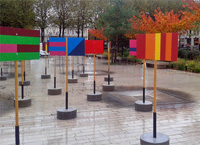
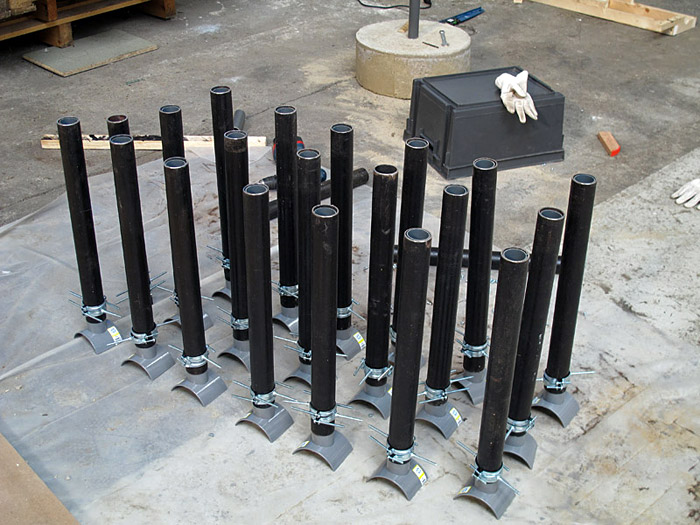
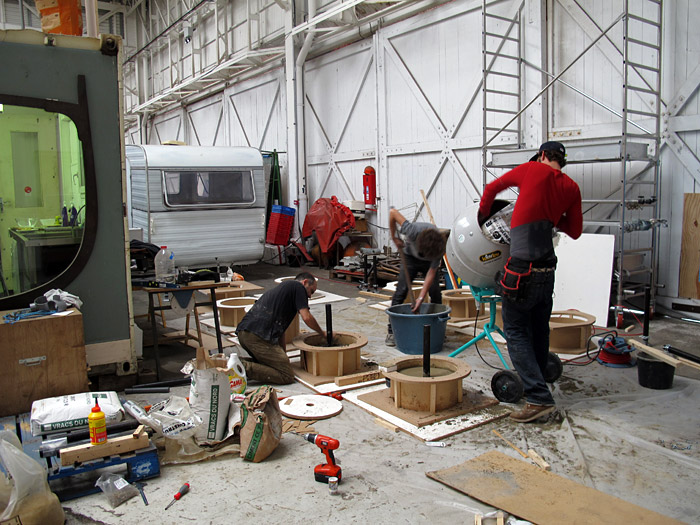
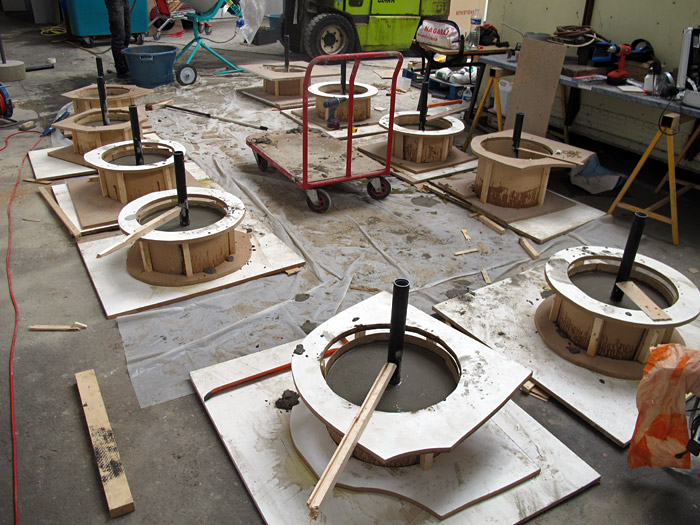
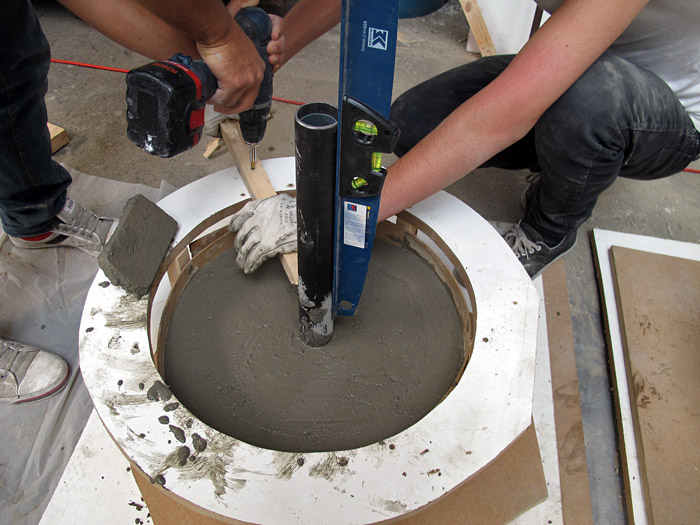
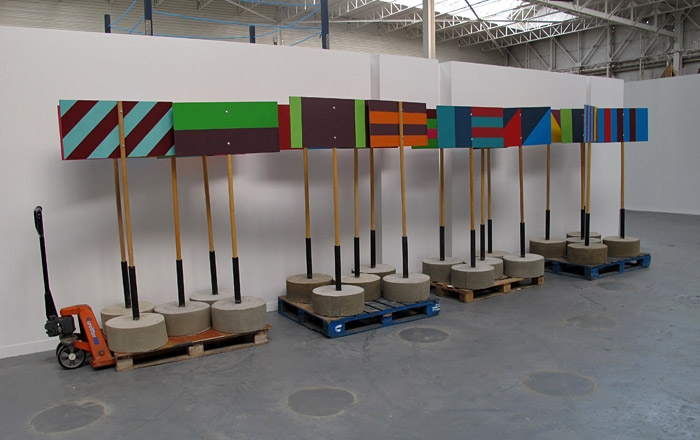
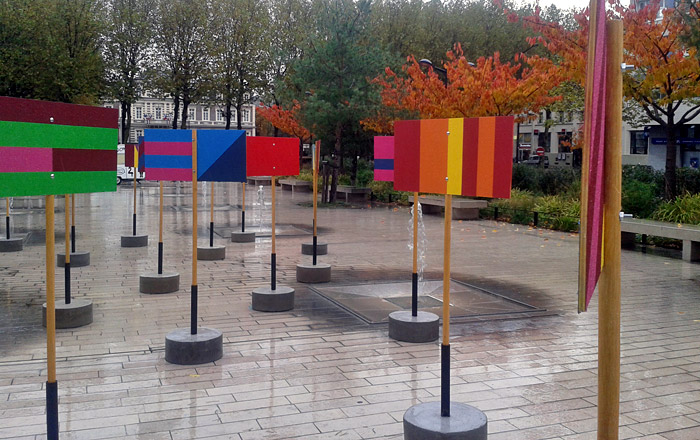
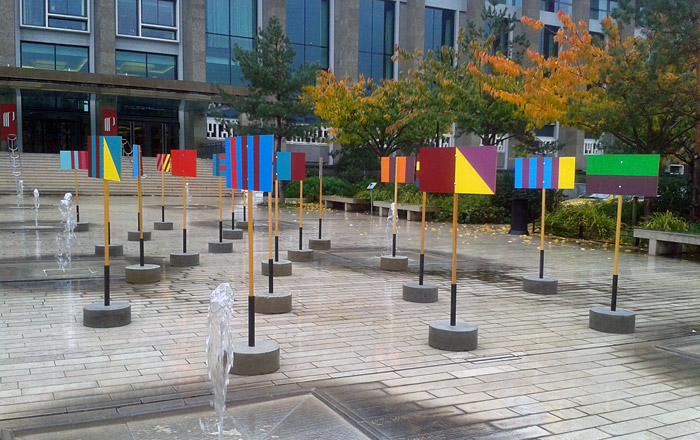
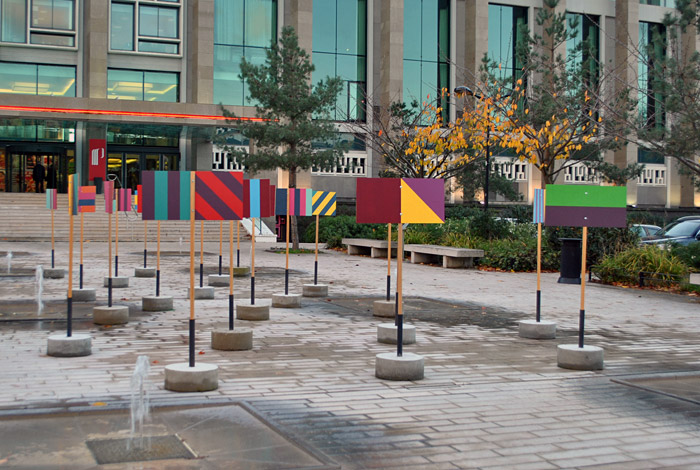
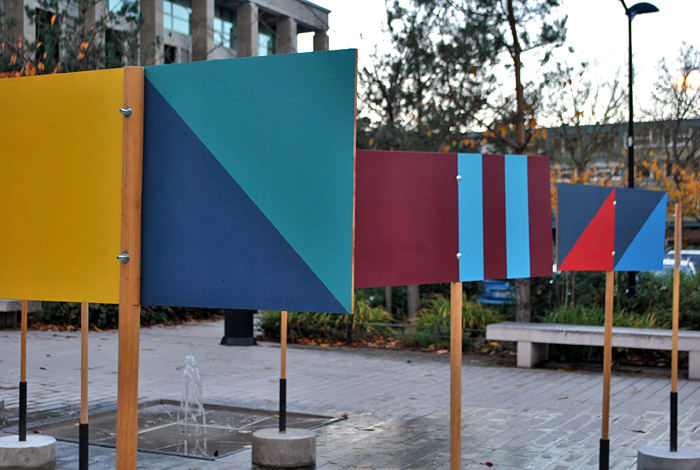
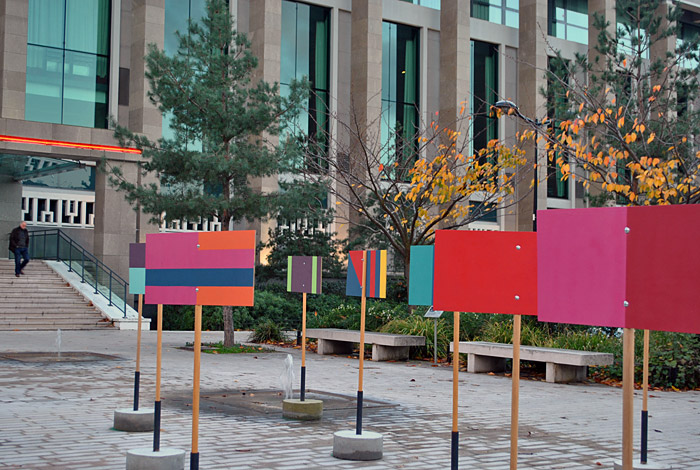
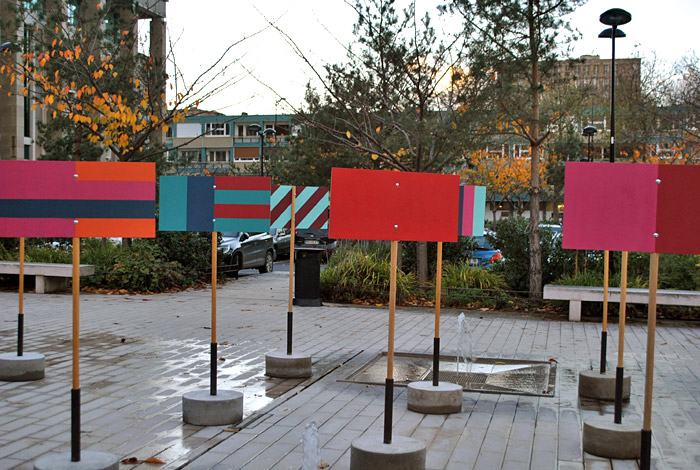
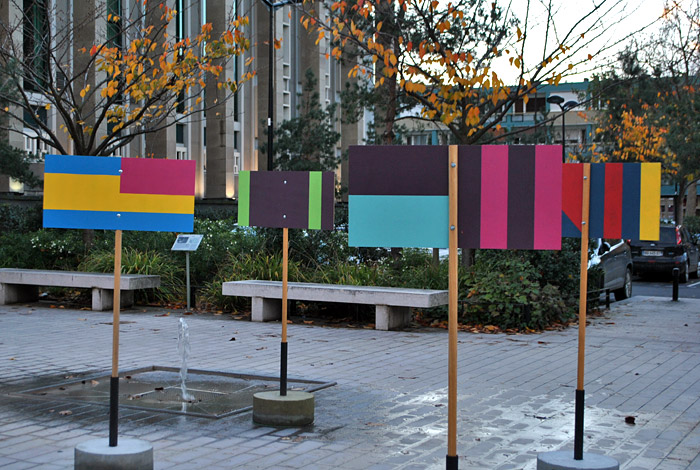
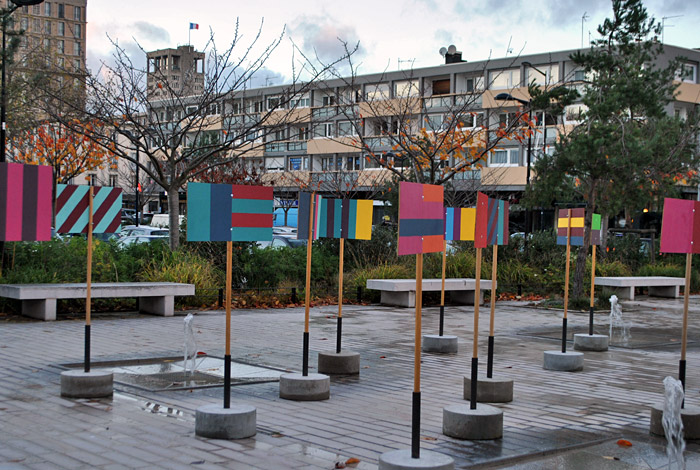
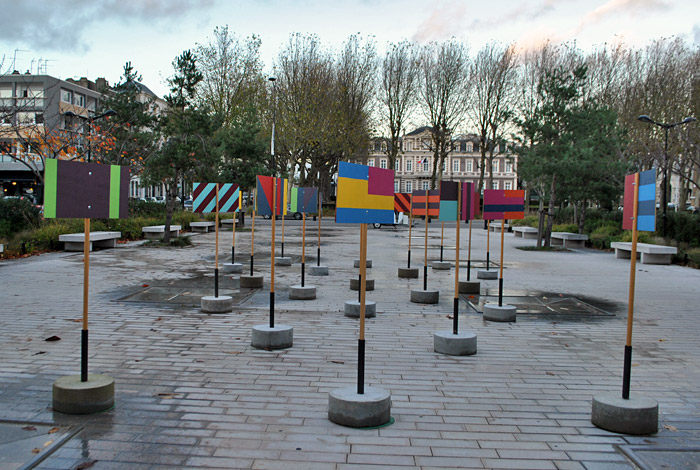
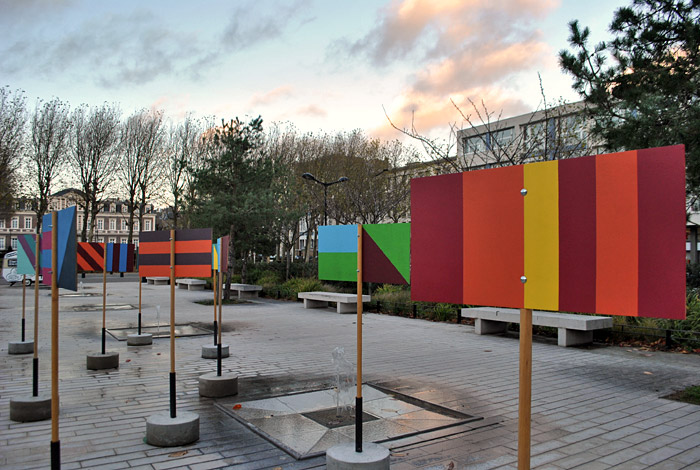
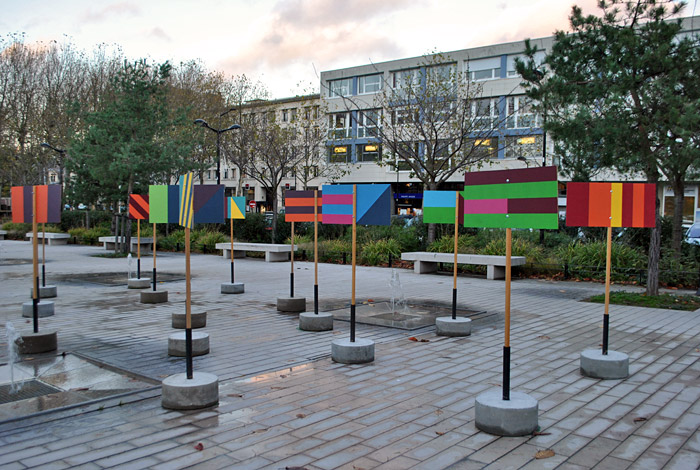
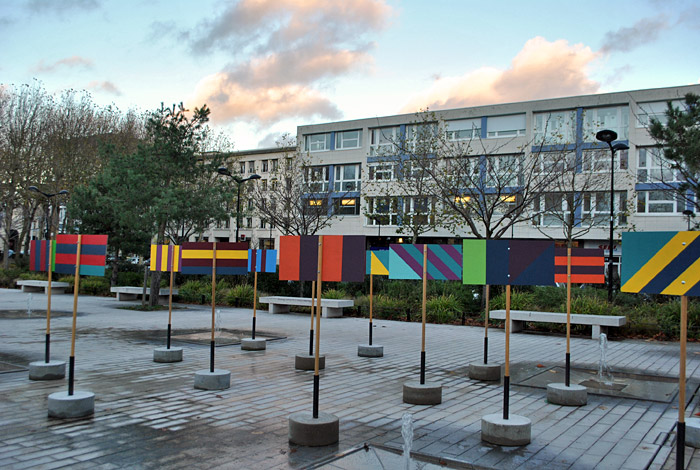
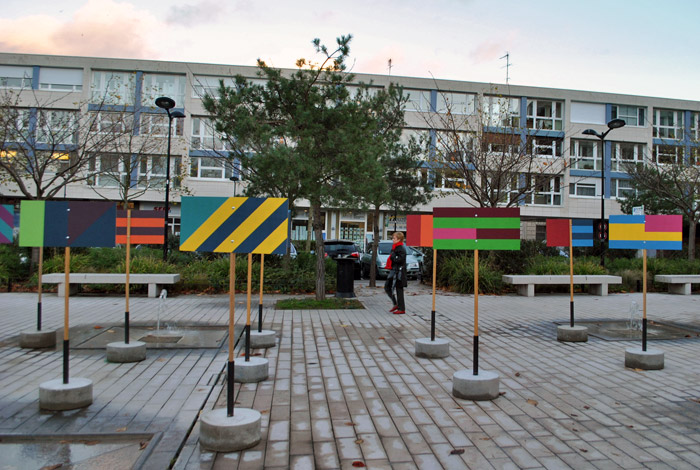
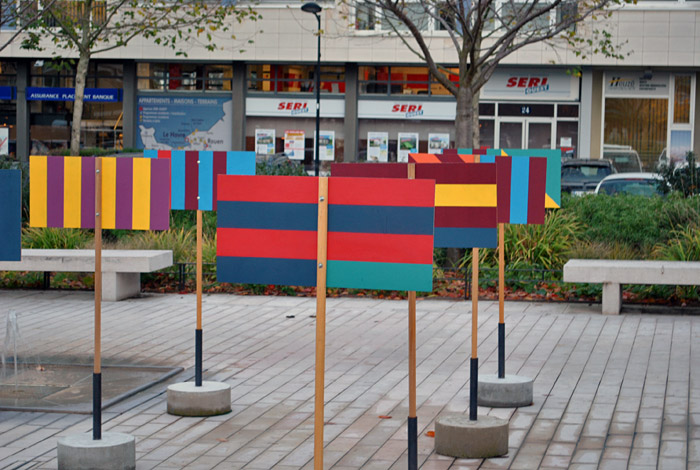
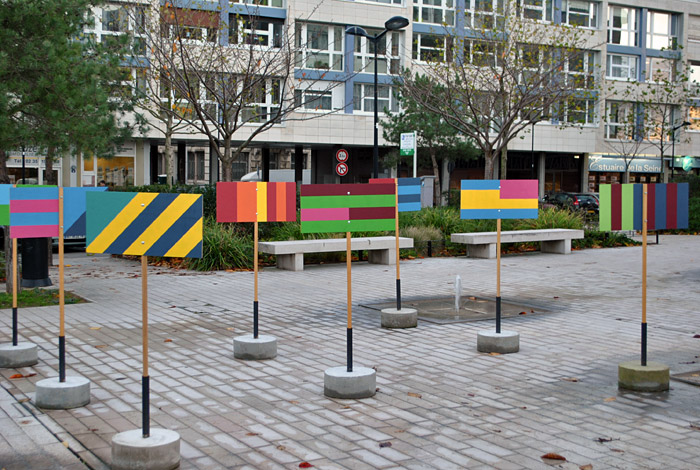
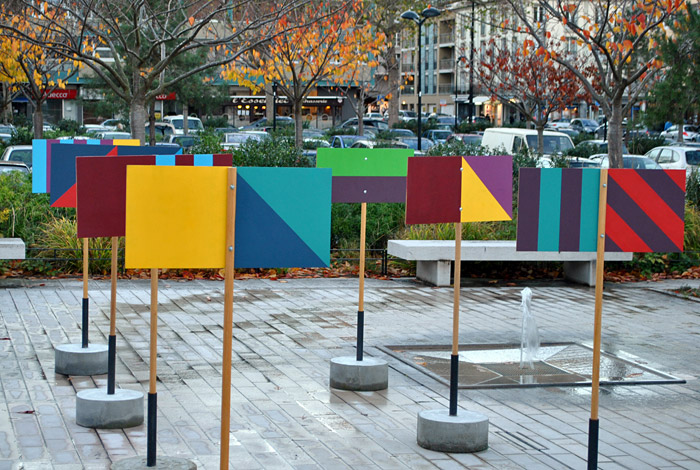
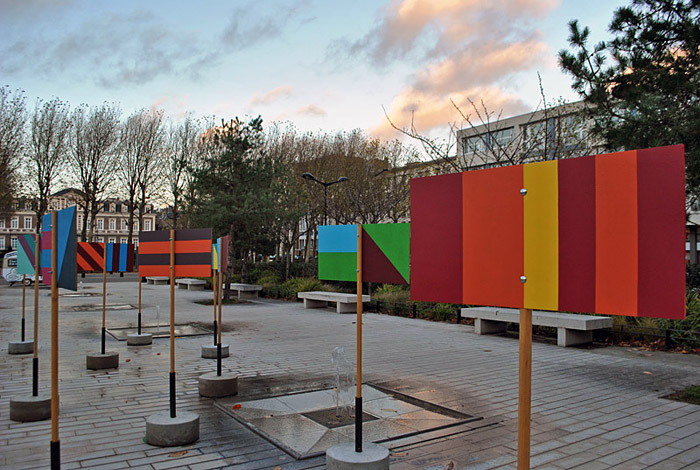
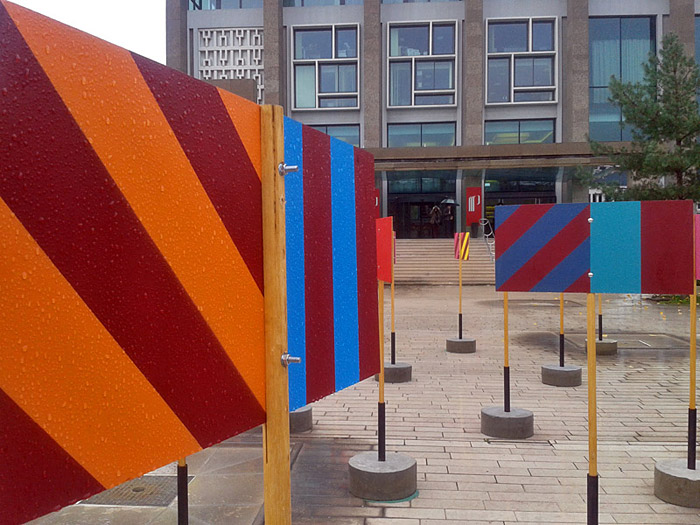
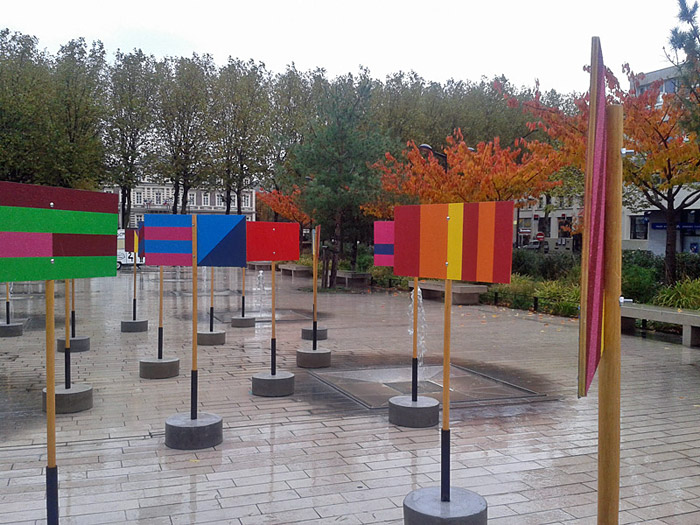
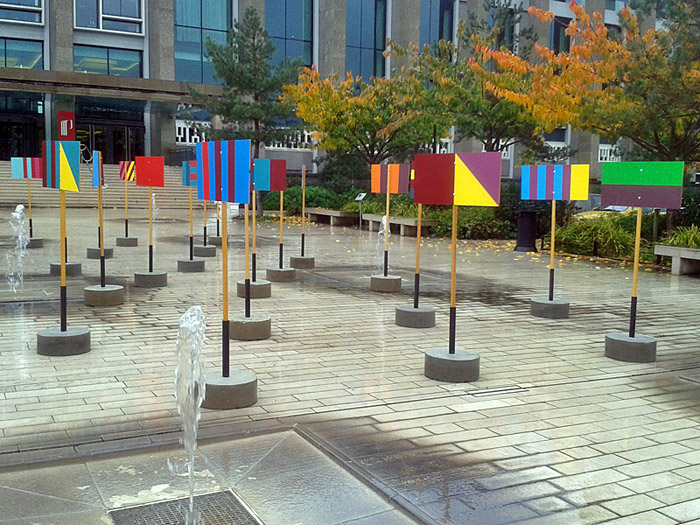
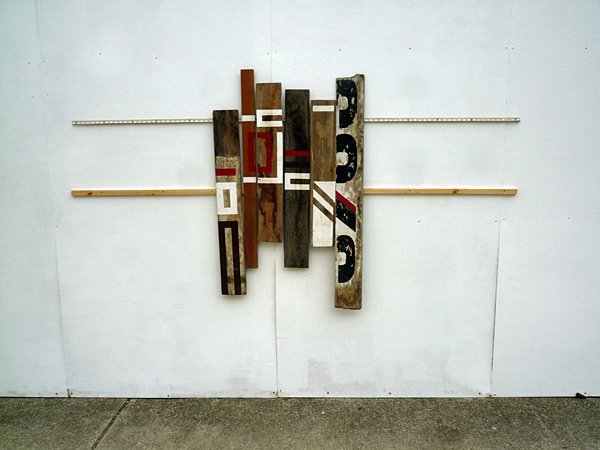
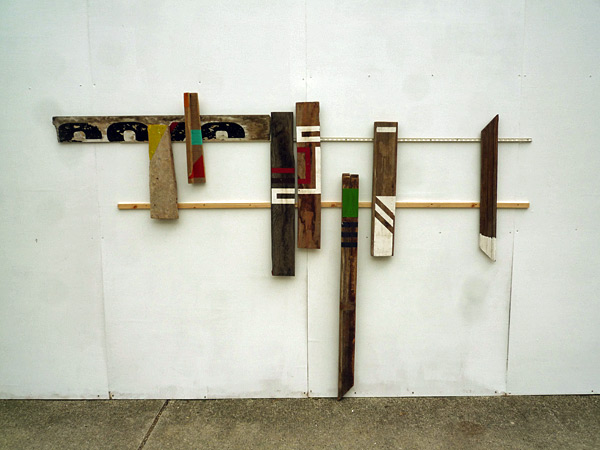
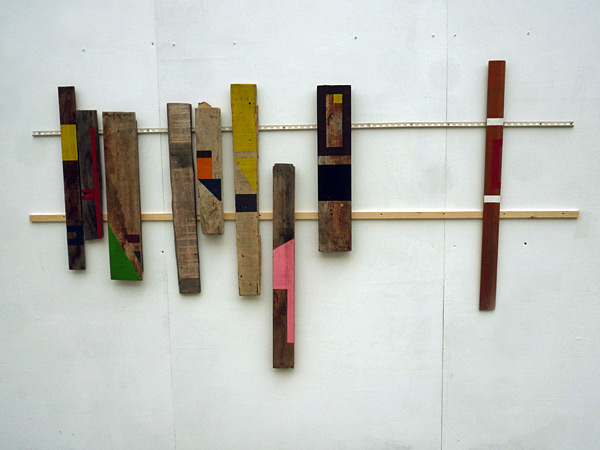
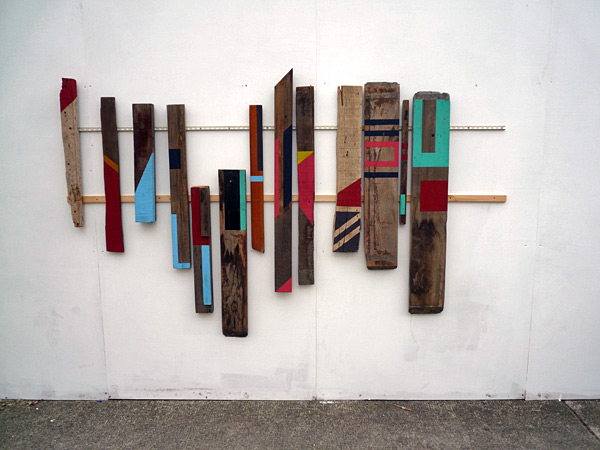
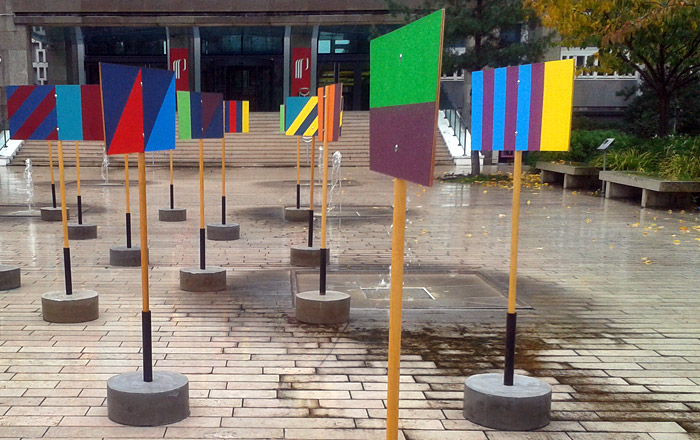
I built the Signalétique Libre (free signage) installation exclusively for the Le Havre Contemporary Art Biennial. It will be exhibited on the Jules Ferry square until May 15th 2013.

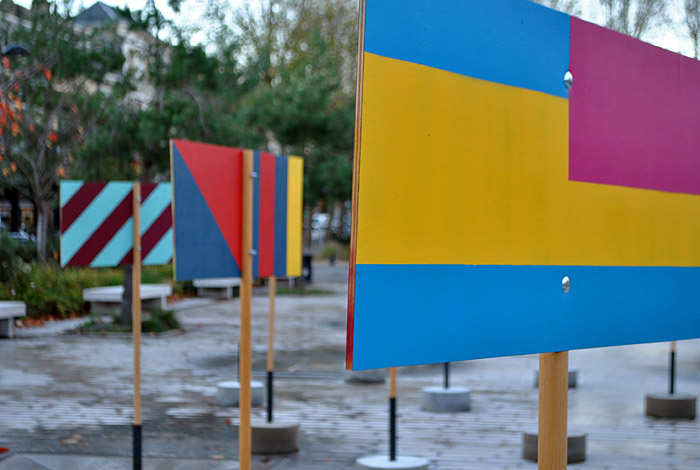
My idea was to take advantage of the location, a wide open space and very transited – which means a significant pedestrian flow and enough wind – to do a mobile installation. The work was conceived around an idea I have already worked with several times: give the spectator, each time they see the artwork, the possibility to see new compositions. Signalétique Libre questions urban visual communication – very direct, concise and at times even alienating – concentrating in the same reduced space 20 signs with abstract designs, without any intelligible message, that remained in constant motion. The pedestrian is free to interpret what the signs want to communicate or indicate, an open space for the viewer to stop receiving messages and perhaps start to emit them.

Exterior pictures by Mikaël Lesueur

Thanks to Linda Morren, Kevin Grottaglia, Mikaël, Paul and all the crew at the Musée Maritime et Portuaire du Havre.

TRACES

Désolé, cet article n’est pas encore disponible en français.
En attendant, vous pouvez toujours le lire en English ou en Español.

Ongoing project
Started in September 2011

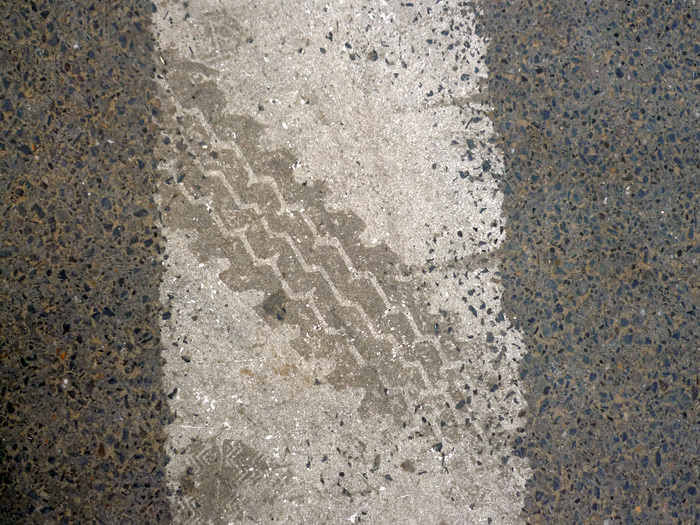
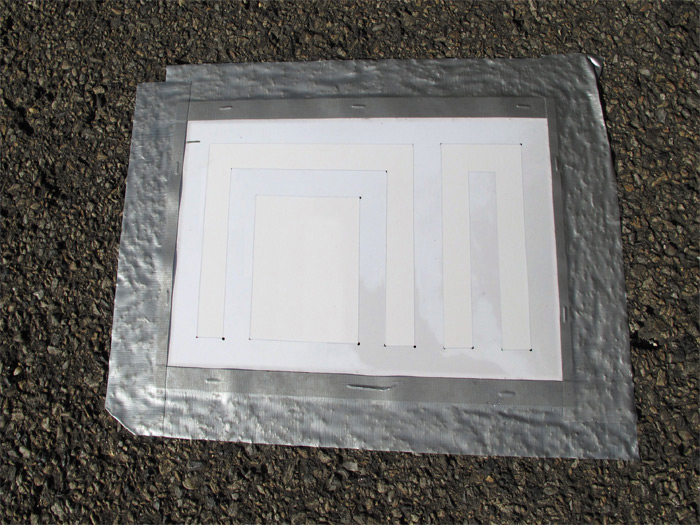
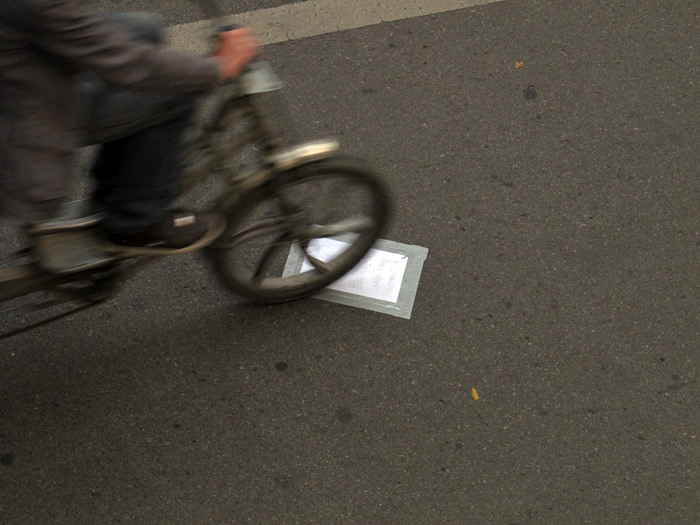
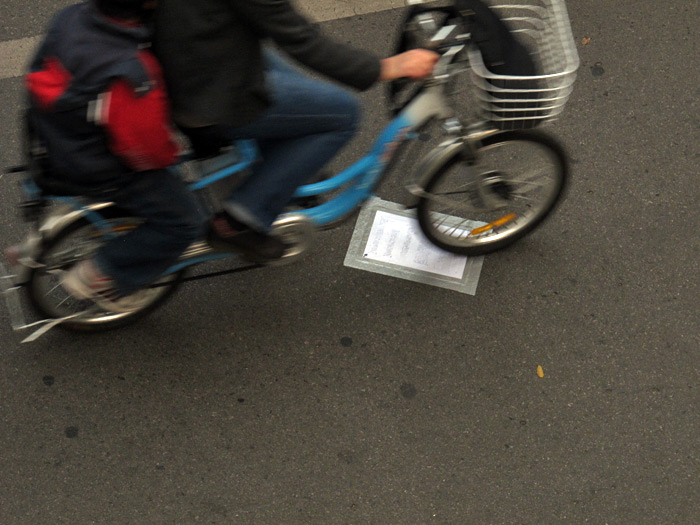
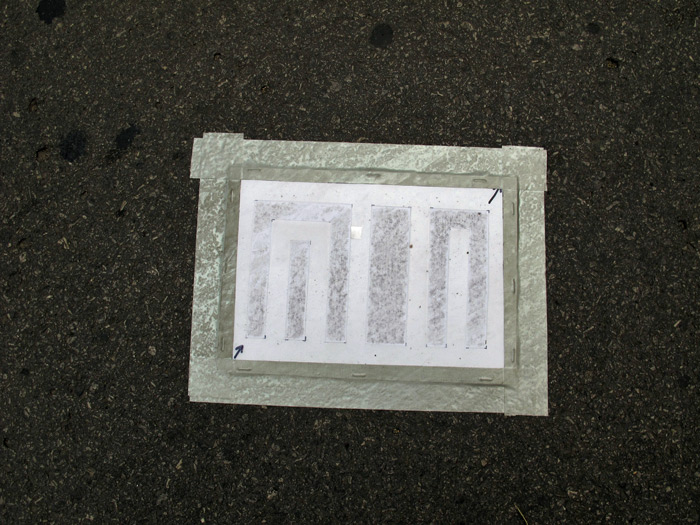
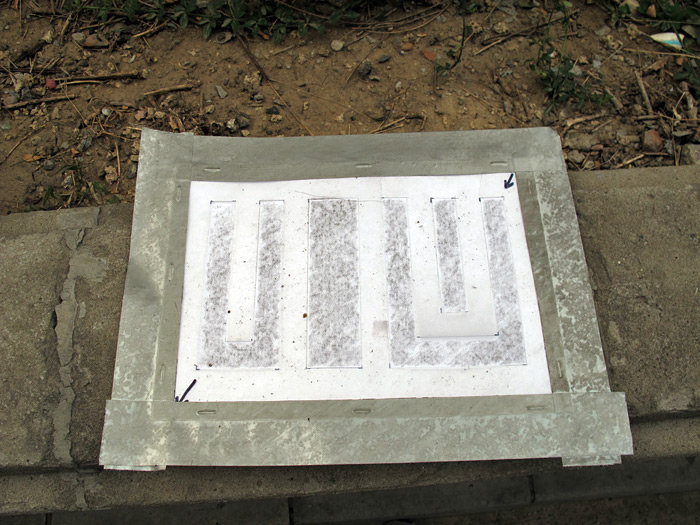
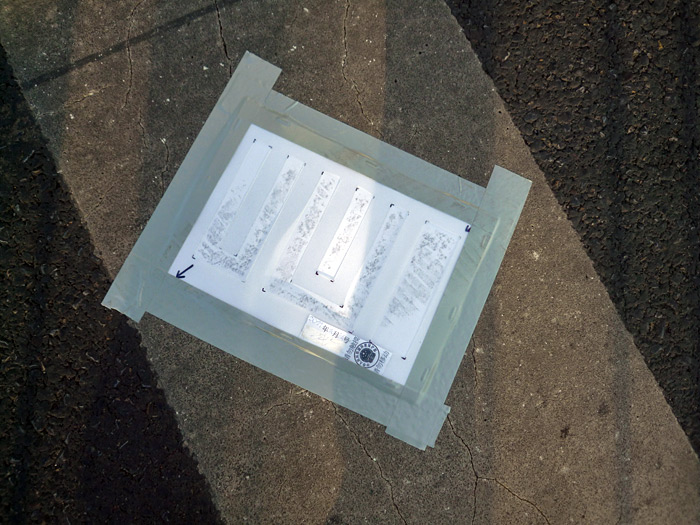
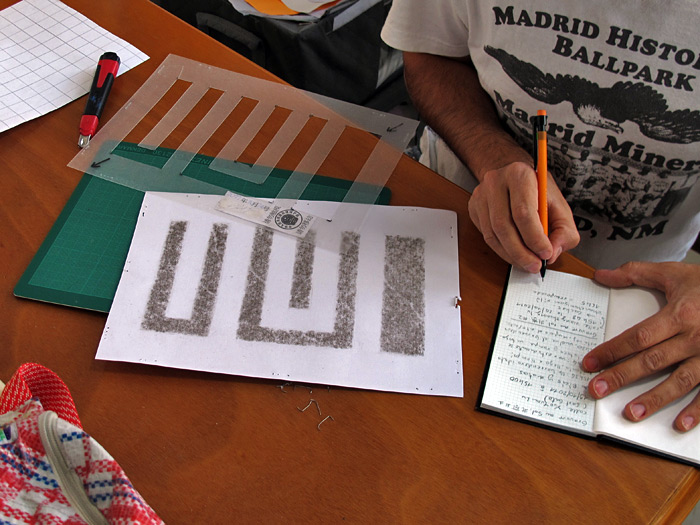
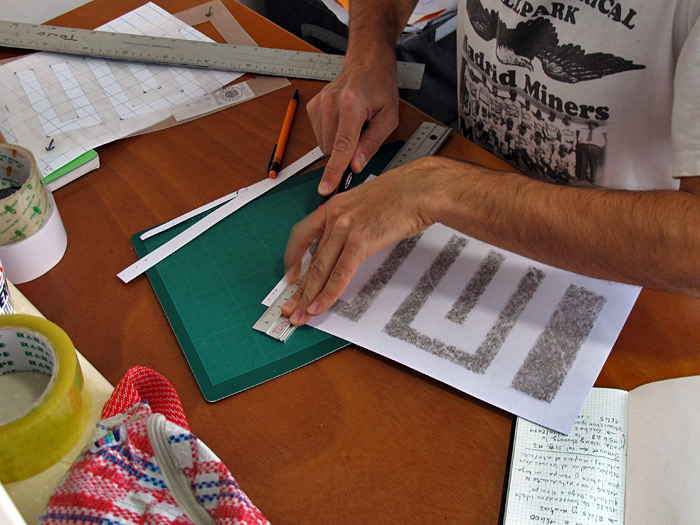
I have always been fascinated by all the marks, traces and treads that our daily movements leave throughout a city. The idea behind TRACES is to observe and somehow try to register these types of marks. For this purpose, I am working on some experiments that allow for the possible appearance of shapes and lines by exploiting these daily movements.

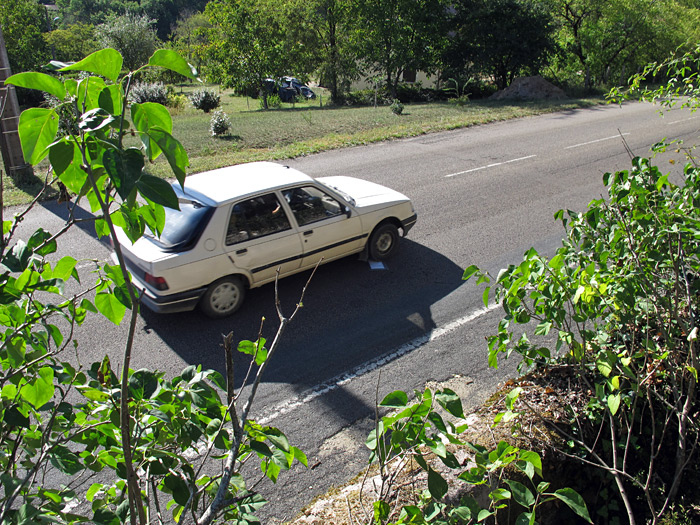
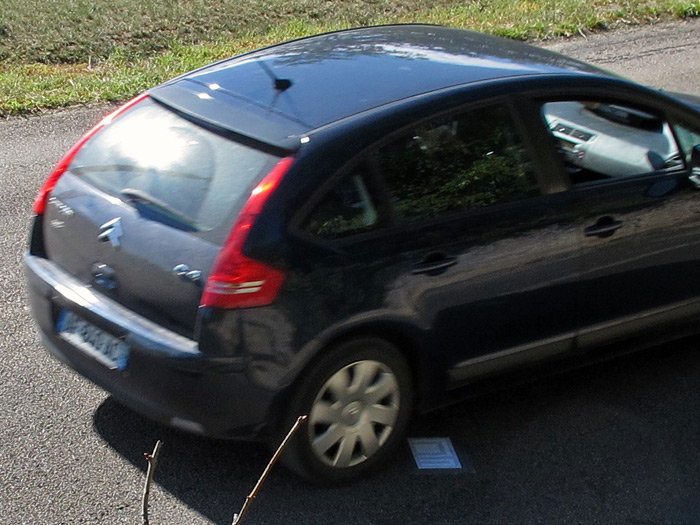
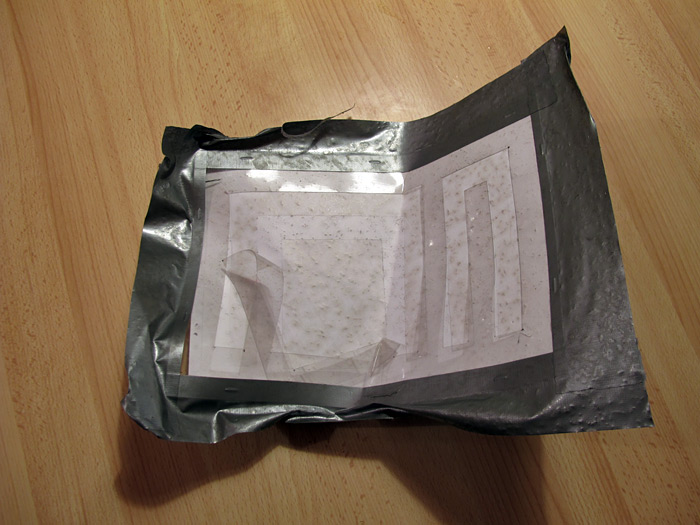
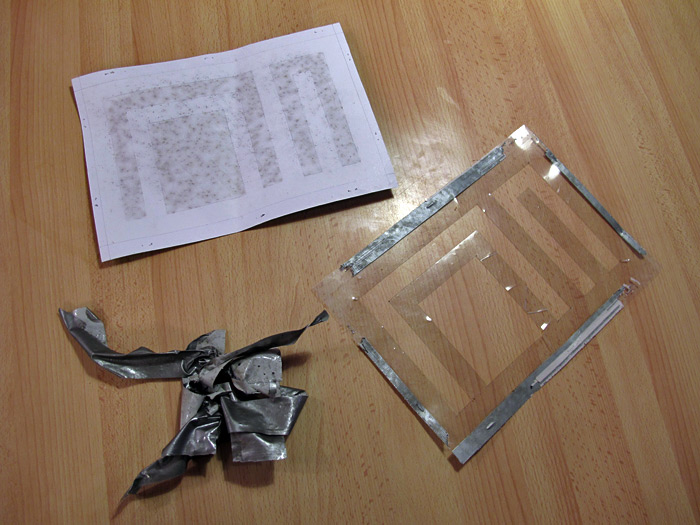
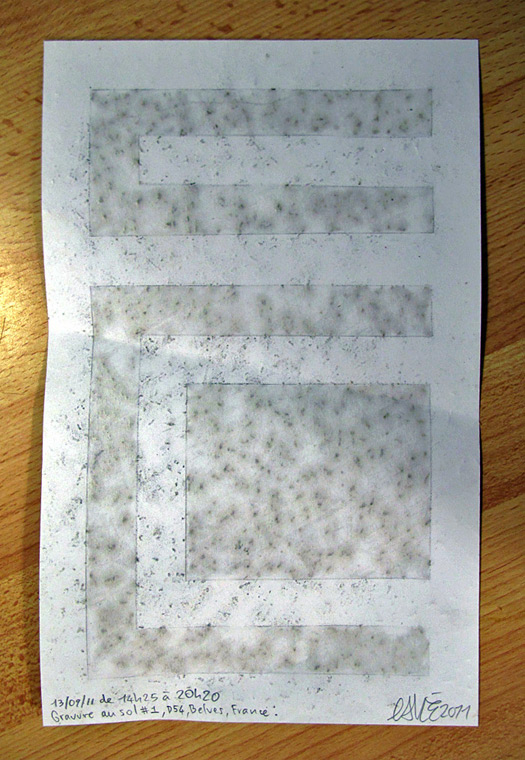
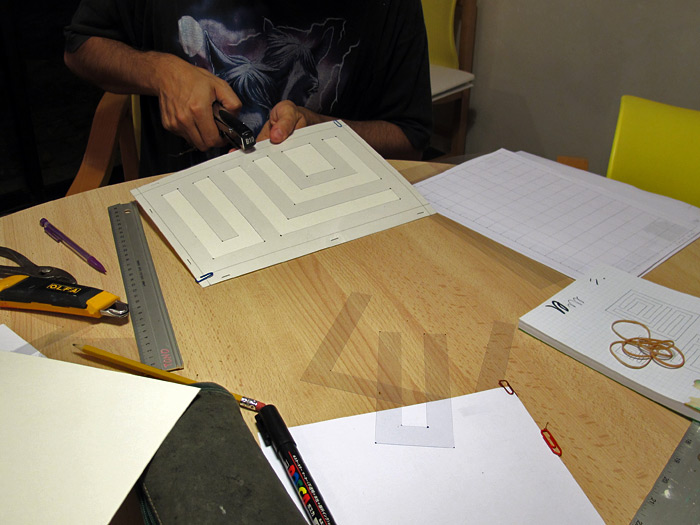
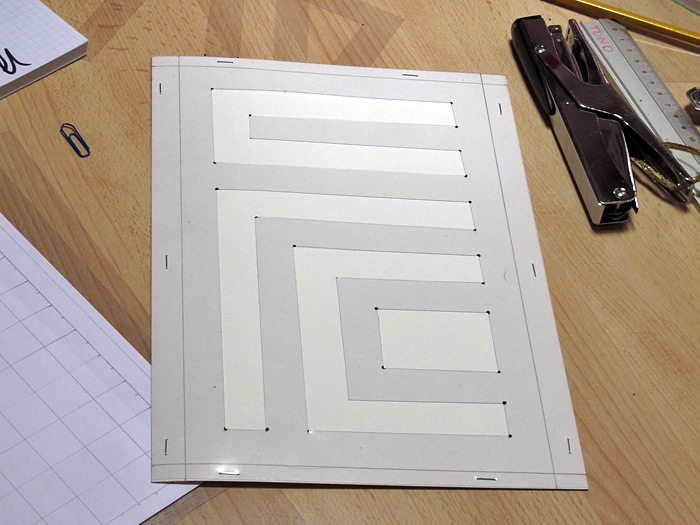
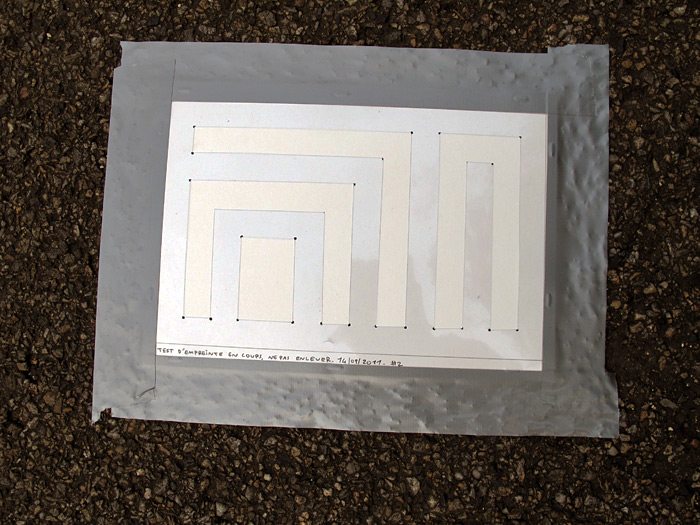
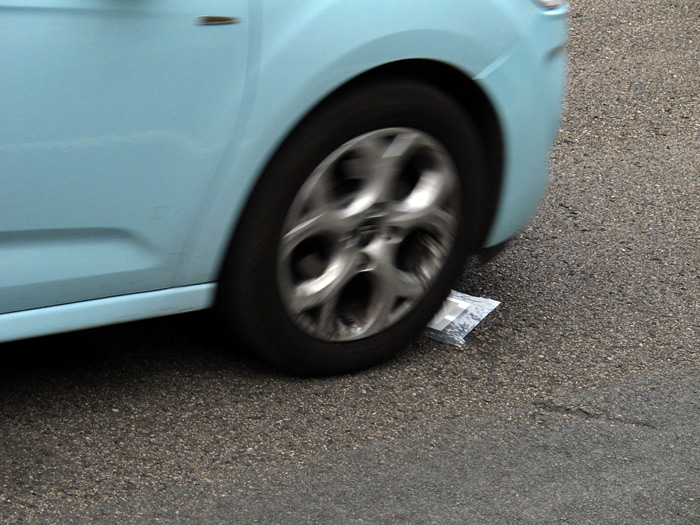
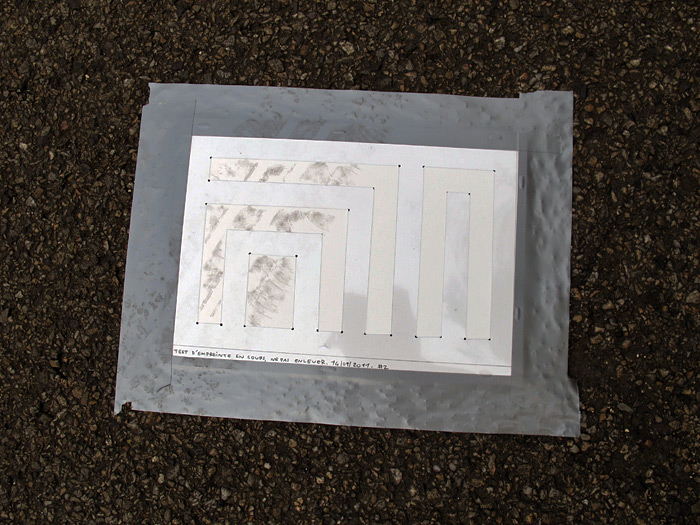
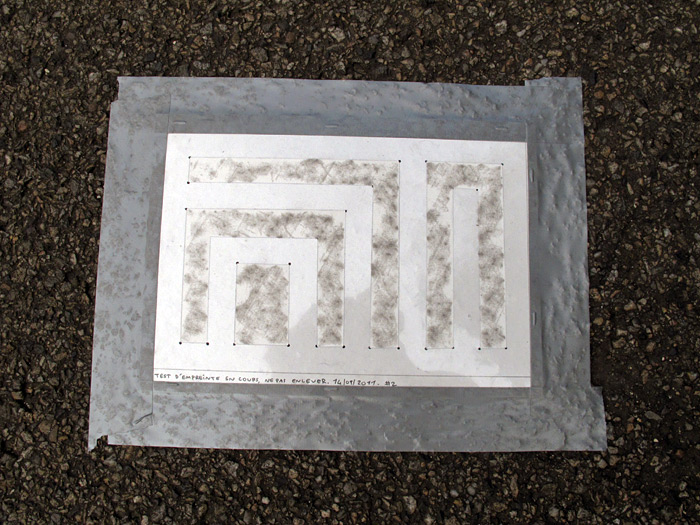
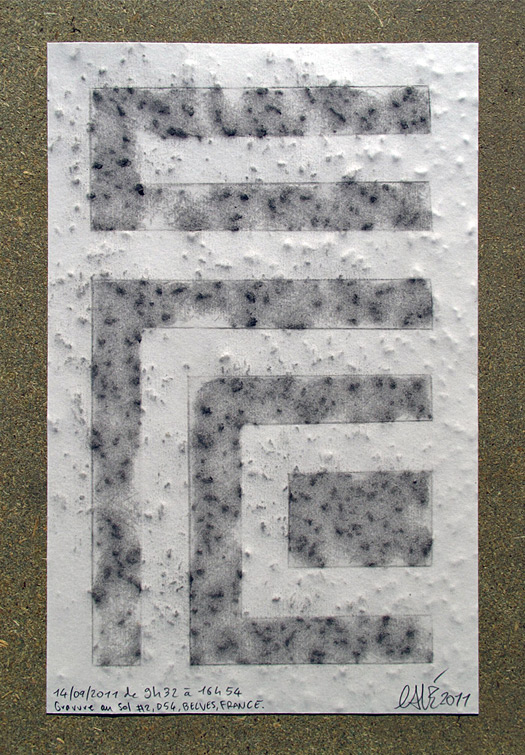
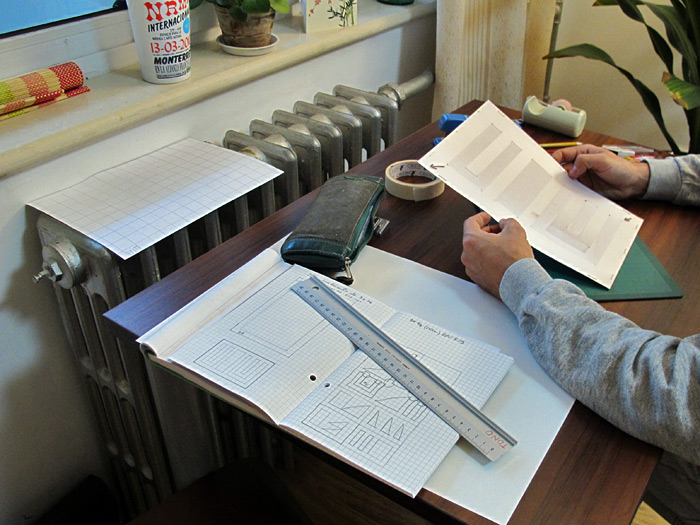
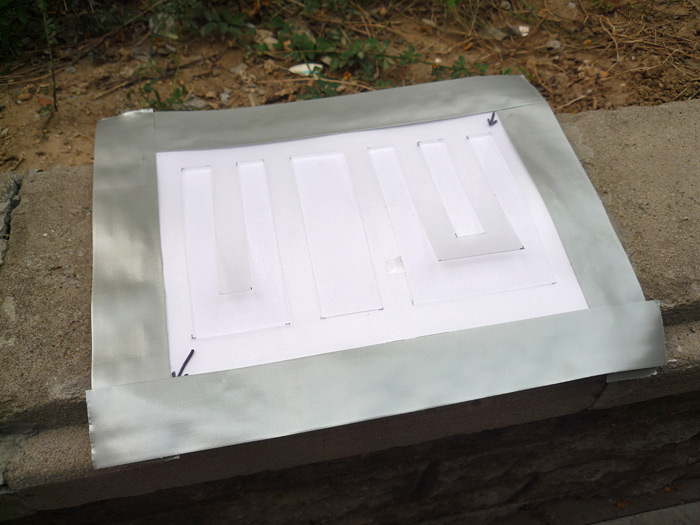
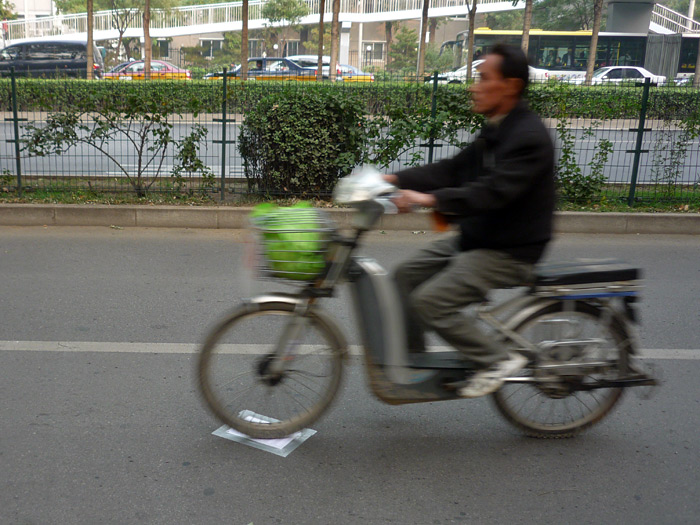
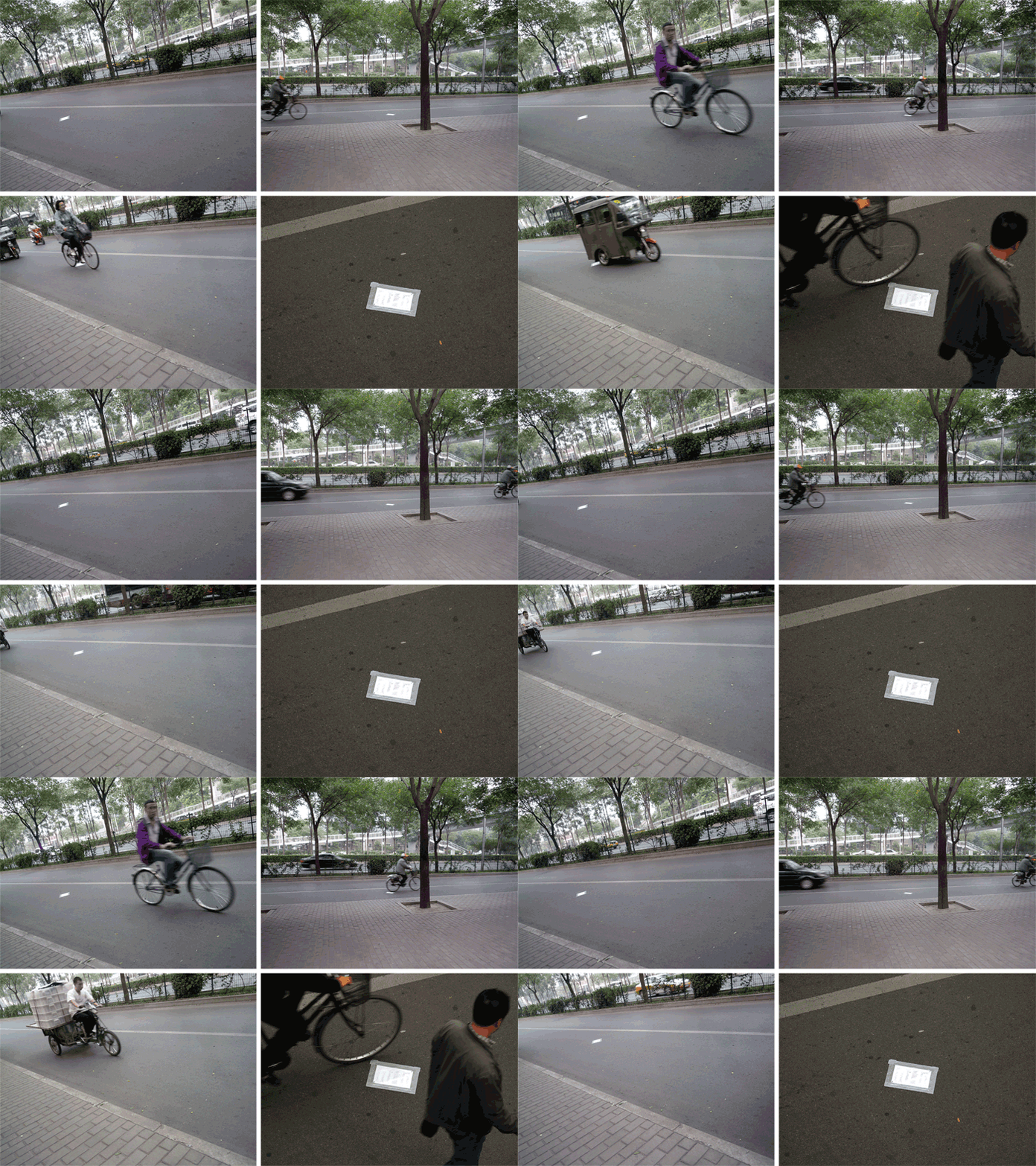
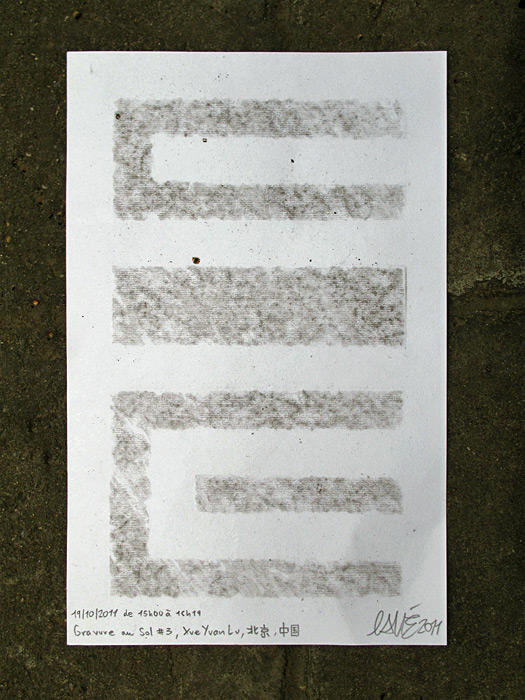
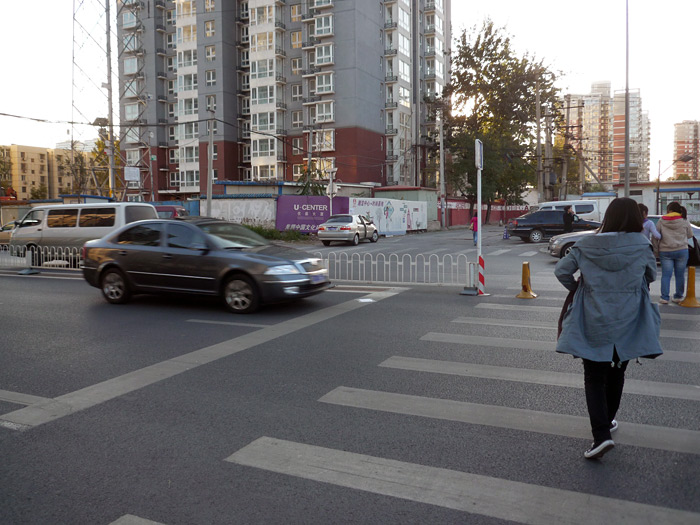
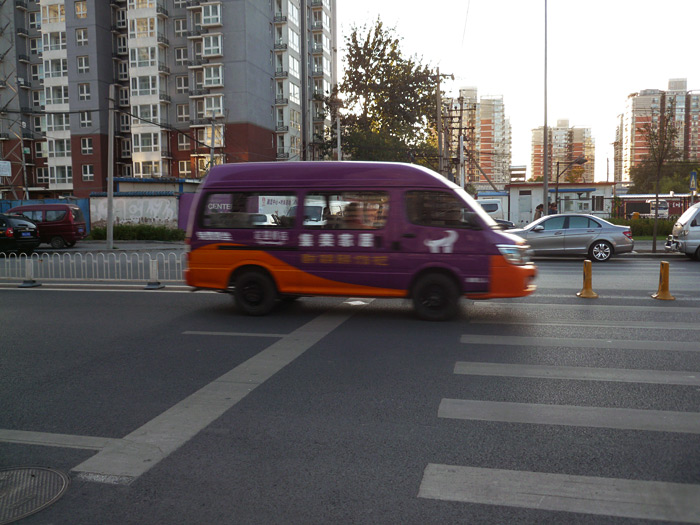
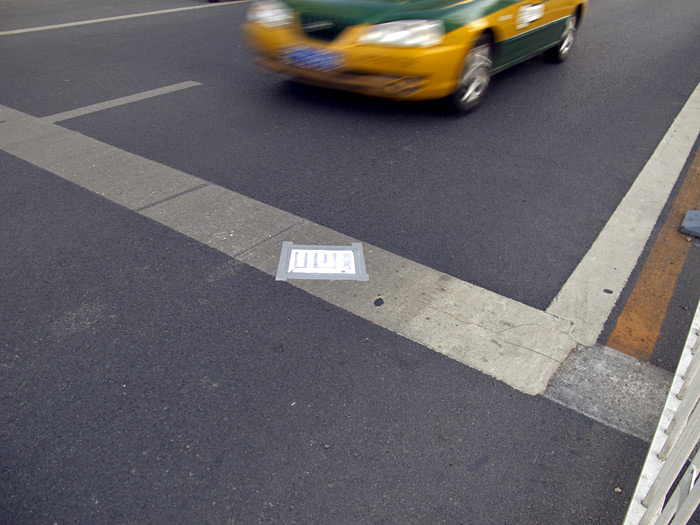
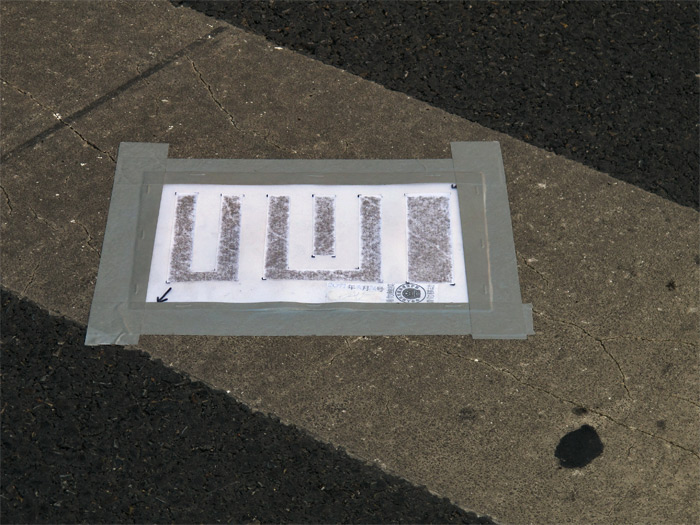
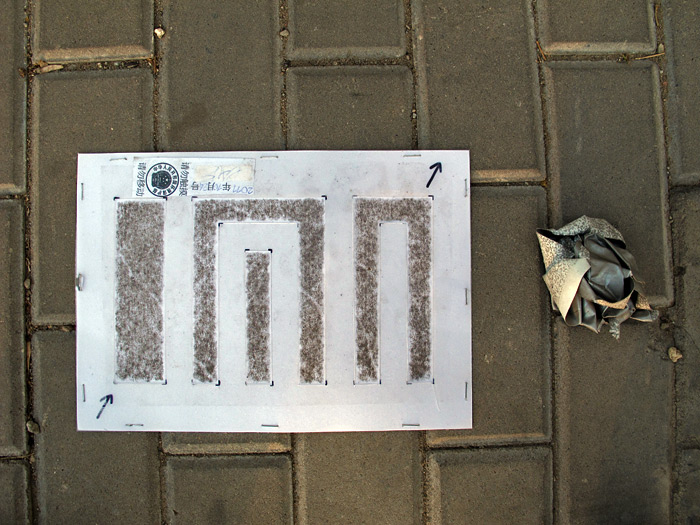
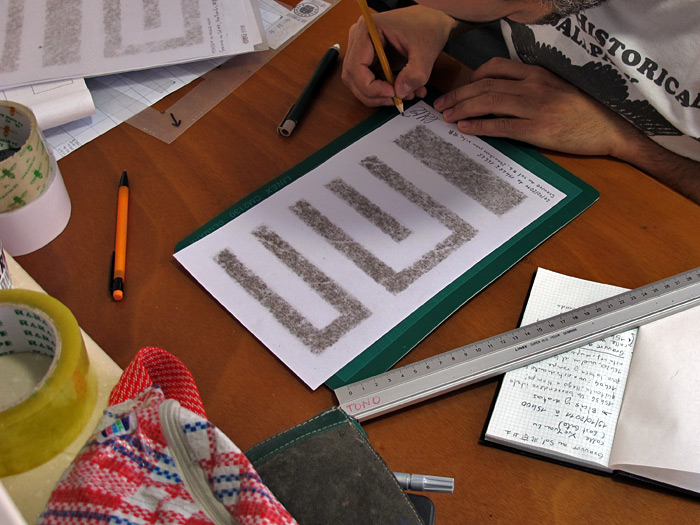
The first experiment is called Gravure au sol (ground engraving). The idea was to generate graphic works using the city as a studio. The four first attempts with a satisfactory result were executed on the asphalt of three streets (one in France and two in China) registering the passage of cars, motorbikes, bikes and a few pedestrians.

TRACES – experiment 1: Gravure au sol #1

Asphalt engraving on card, 18 cm x 28 cm.
13/09/2011 from 14h25 to 20h20, road D54, France.
Most of the marks were left by cars.

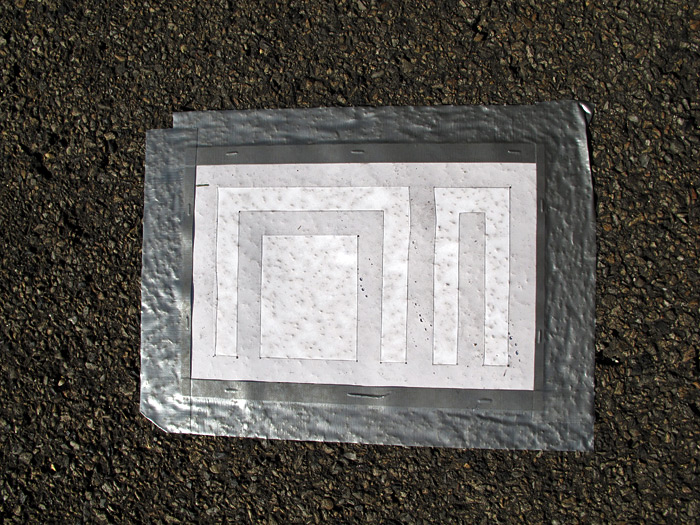
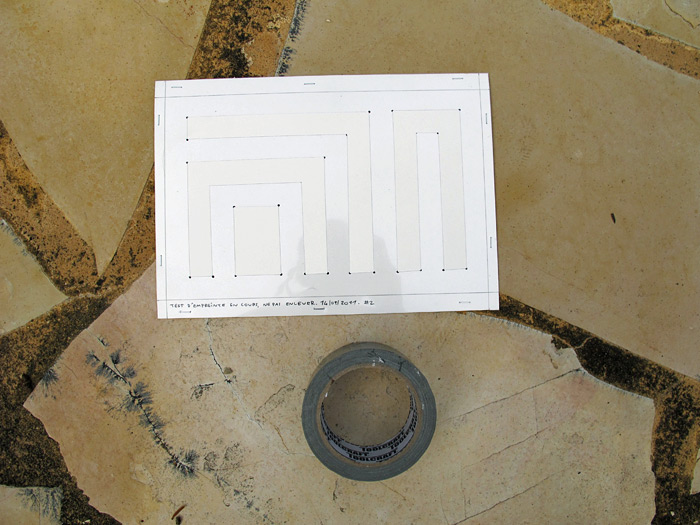
TRACES – experiment 1: Gravure au sol #2

Asphalt engraving on Canson Paper, 18 cm x 28 cm.
14/09/2011 from 9h32 to 16h54, road D54, France.
Most of the marks were left by cars.

TRACES – experiment 1: Gravure au sol #3

Asphalt engraving on Sumiaozhi-8K 160g Paper, 18 cm x 28 cm.
19/10/2011 from 15h00 to 16h19, 学院路 (Xueyuanlu), Beijing, China.
Most of the marks were left by bikes and bicycles.

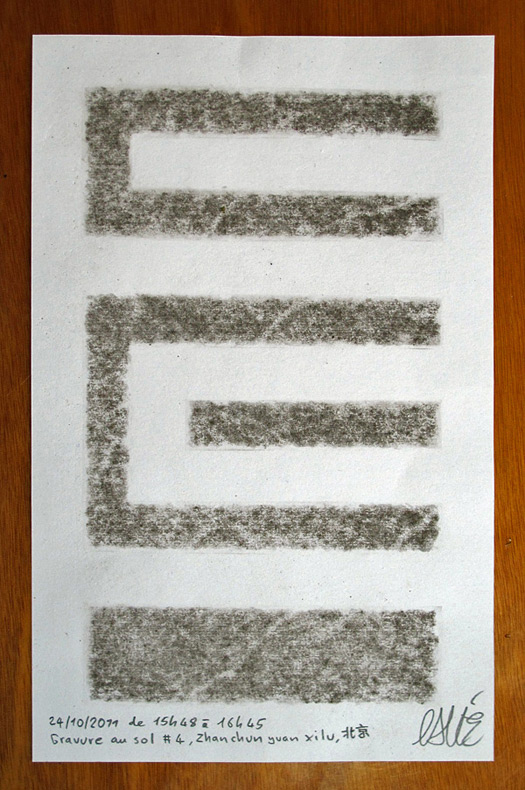
TRACES – experiment 1: Gravure au sol #4

Asphalt engraving on Sumiaozhi-8K 160g Paper, 18 cm x 28 cm.
24/10/2011 from 15h48 to 16h45, 展春园西路 (Zhanchunyuanxilu), Beijing, China.
Most of the marks were left by cars.

I am in the process of conducting further experiments at this time. As soon as I obtain some more interesting results, I will post more examples.

As the results for these first experiments from the TRACES project are recoverable, they will be available for purchase, with my other graphic works, at the Boutique on this website.

Automatic Painting

Désolé, cet article n’est pas encore disponible en français.
En attendant, vous pouvez toujours le lire en English ou en Español.

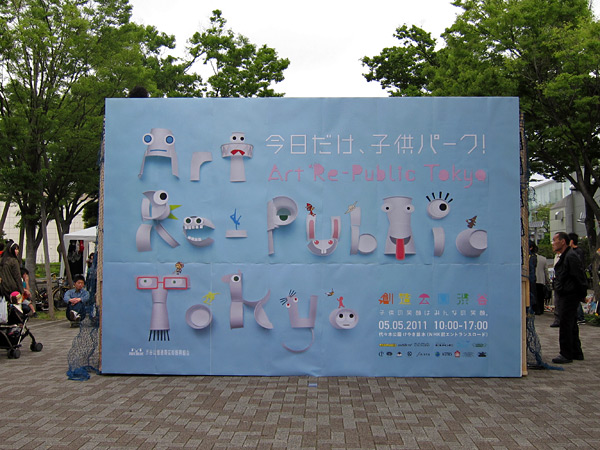
Art Re-Public Festival
Yoyogi Park, Harajuku,Tokyo, Japan
May 5th 2011

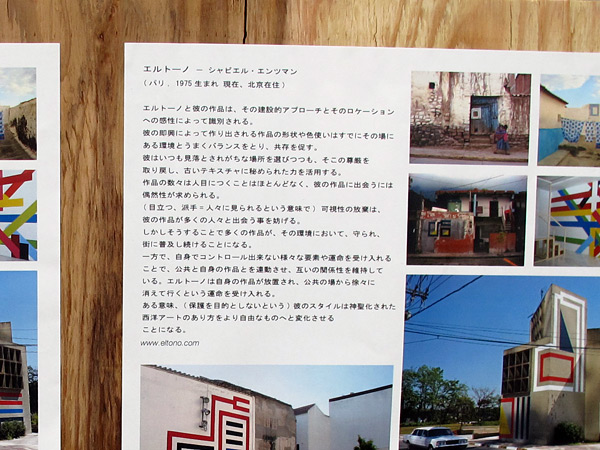
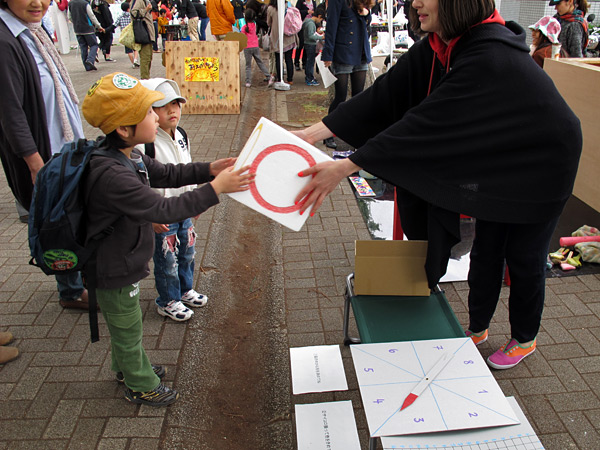
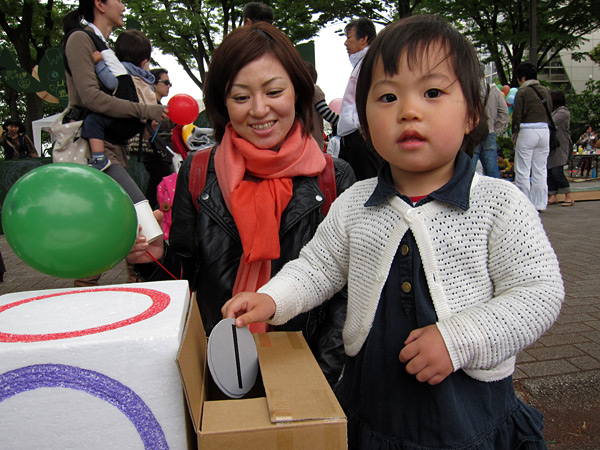
My last visit to Japan coincided with the Art Re-Public festival organized by my friend Yusaku. Over the past few years this festival has taken place in the streets of Tokyo to celebrate “Kodomo No Hi” or Children’s Day, an annual celebration throughout Japan. This year however, the festival took place in Yoyogi park in Harajuku.

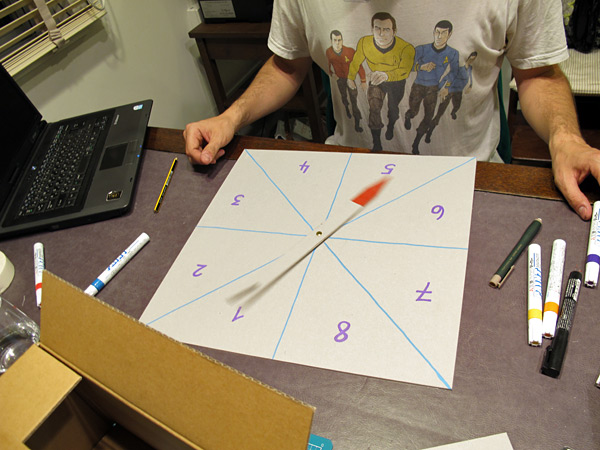
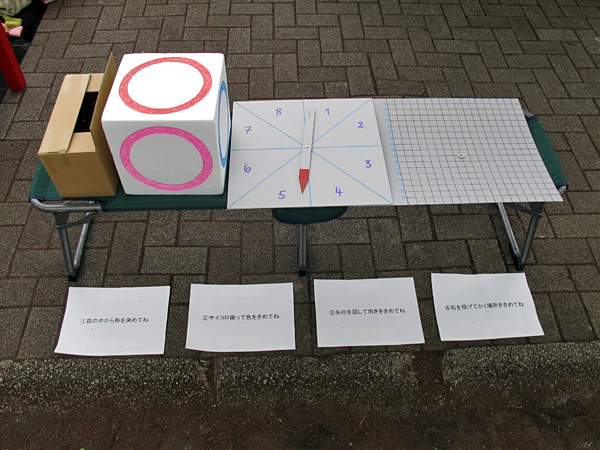
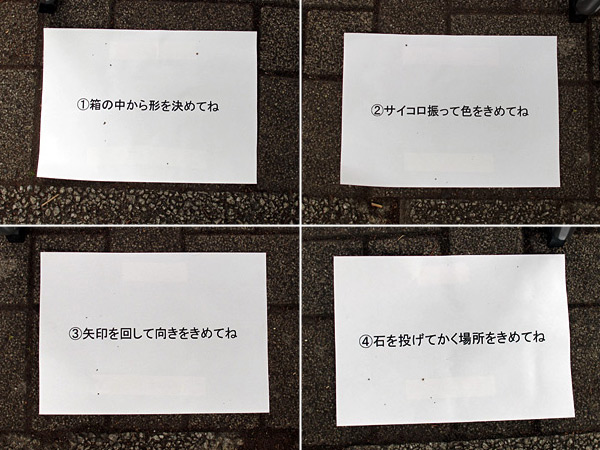
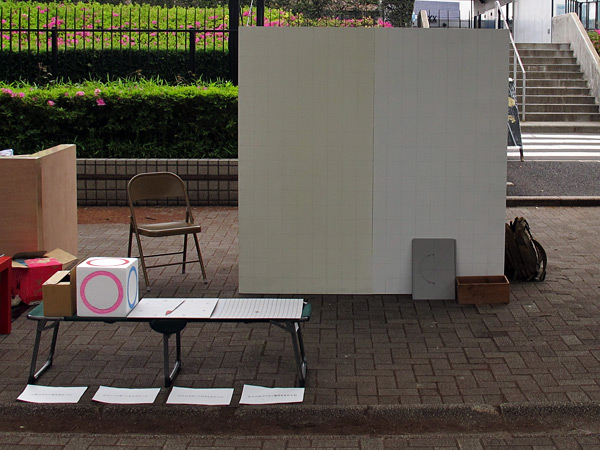
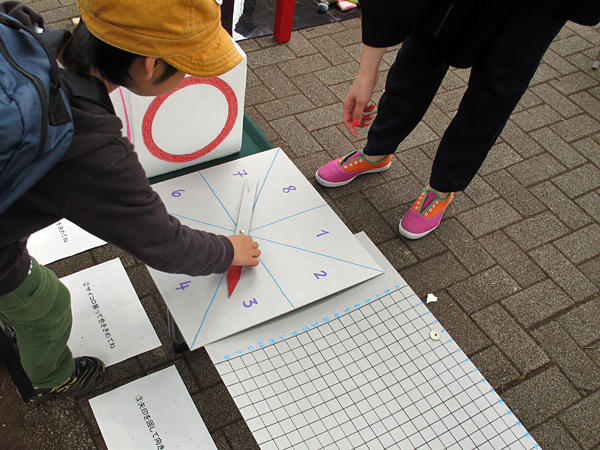
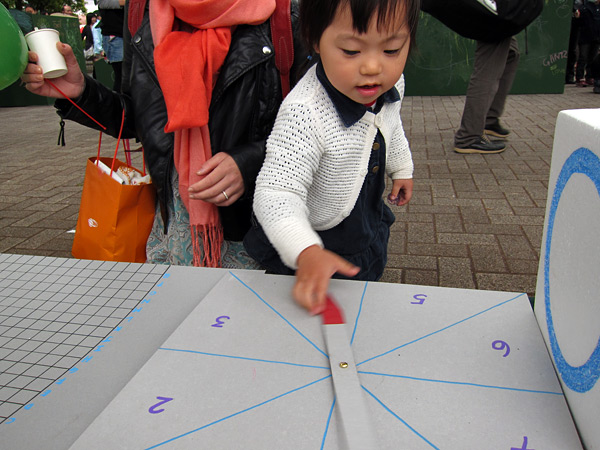
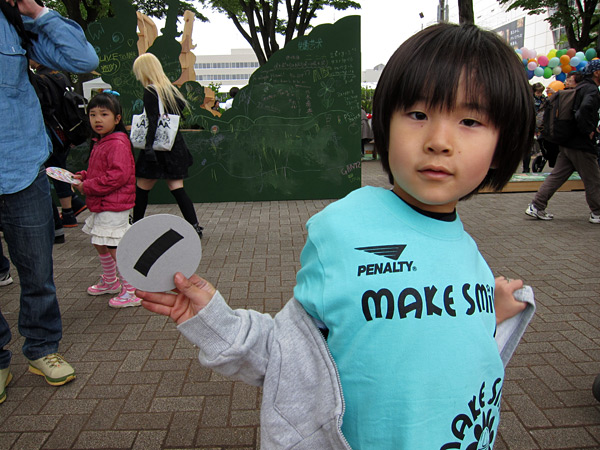
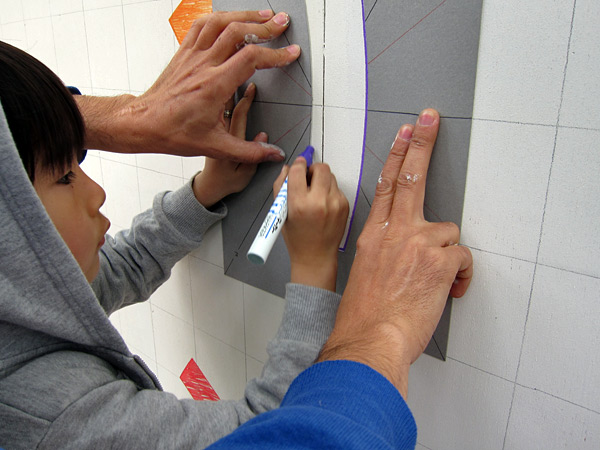
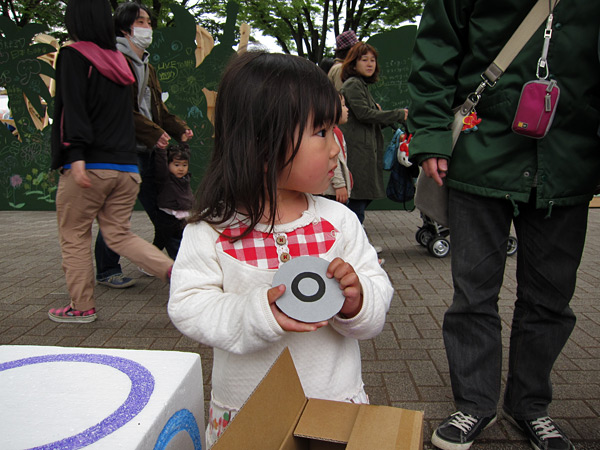
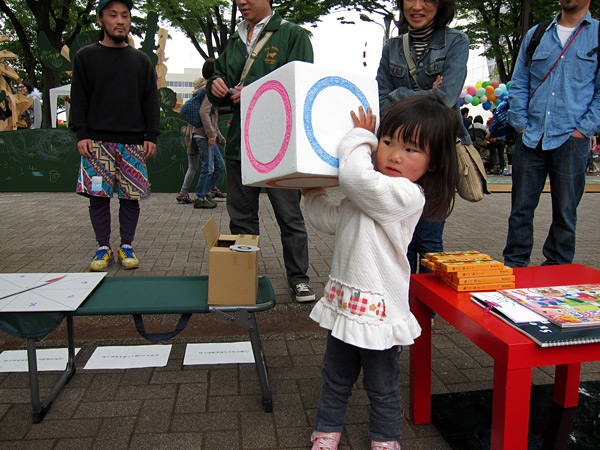
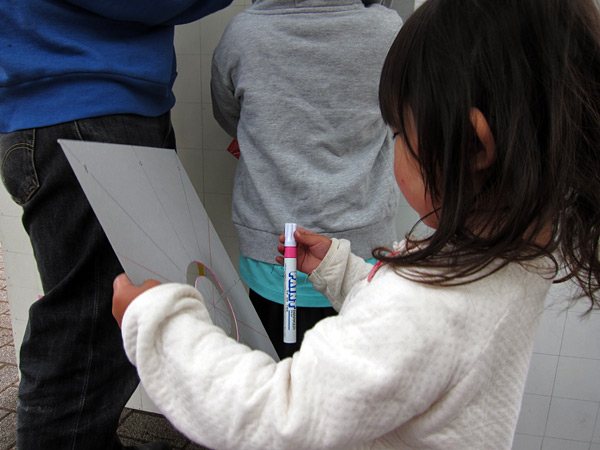
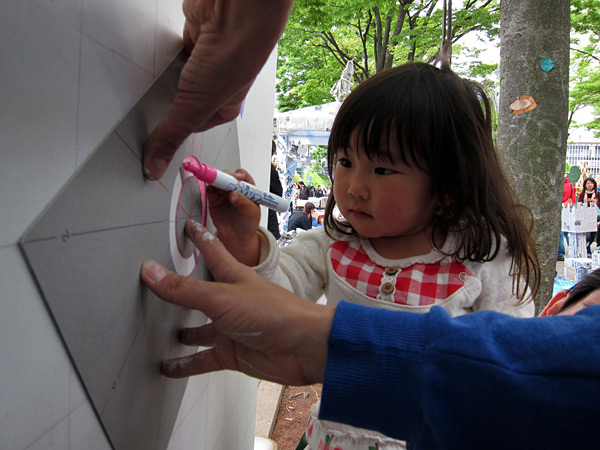
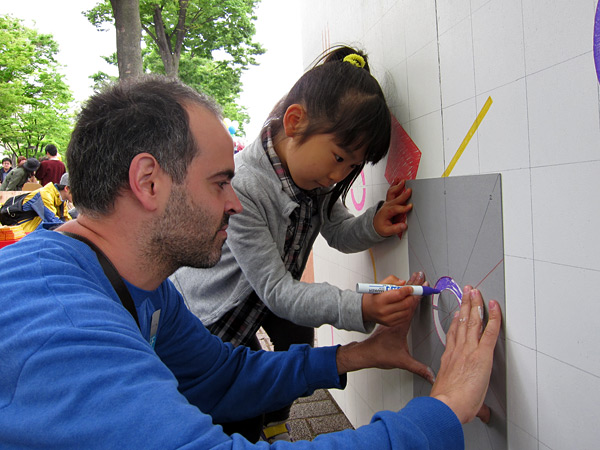
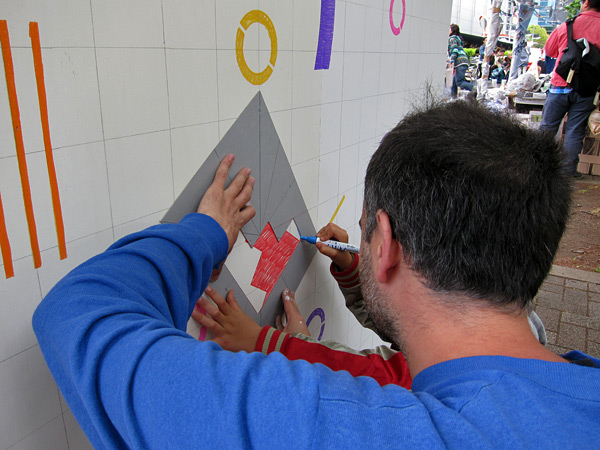
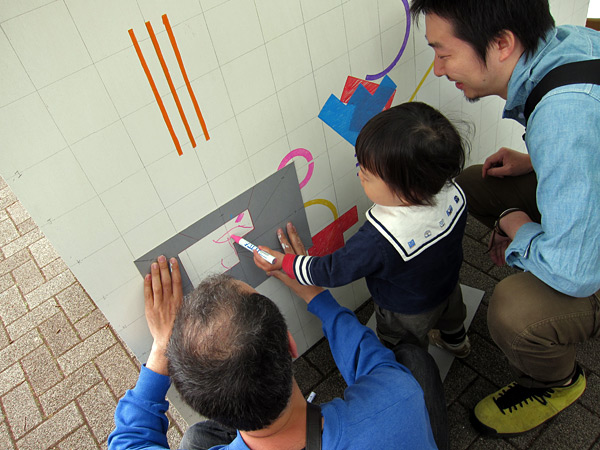
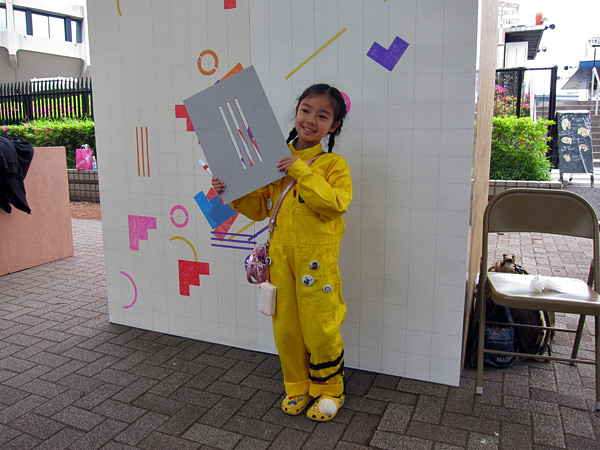
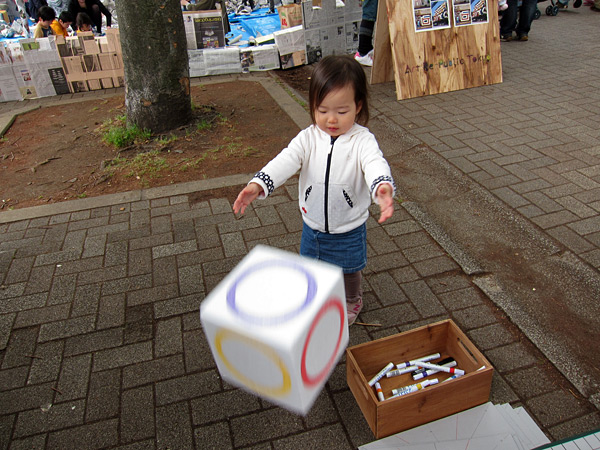
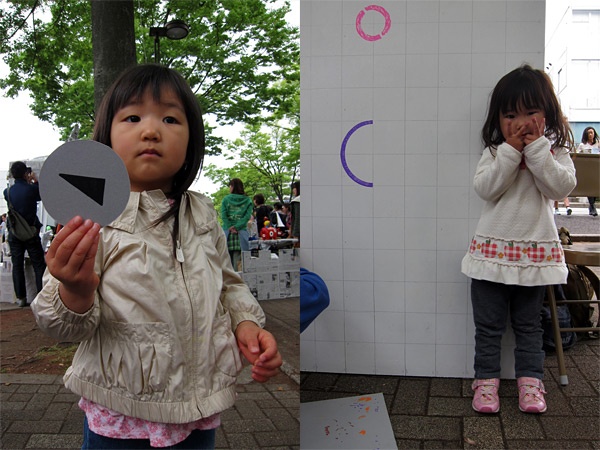
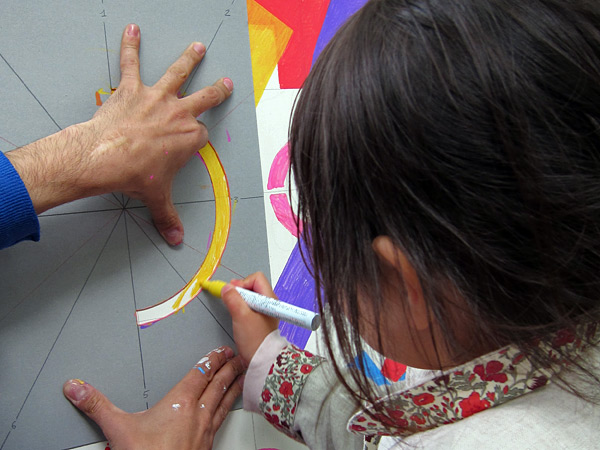
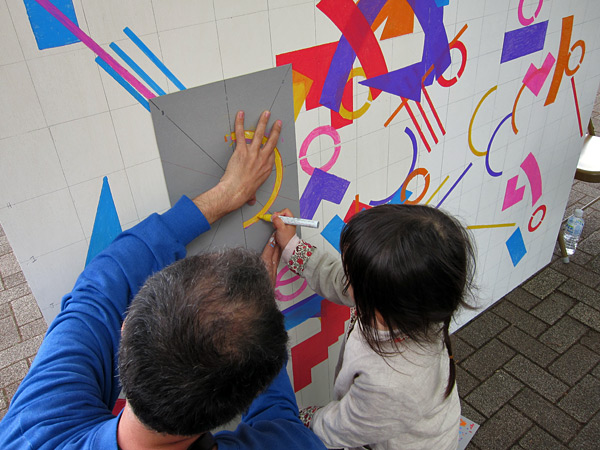
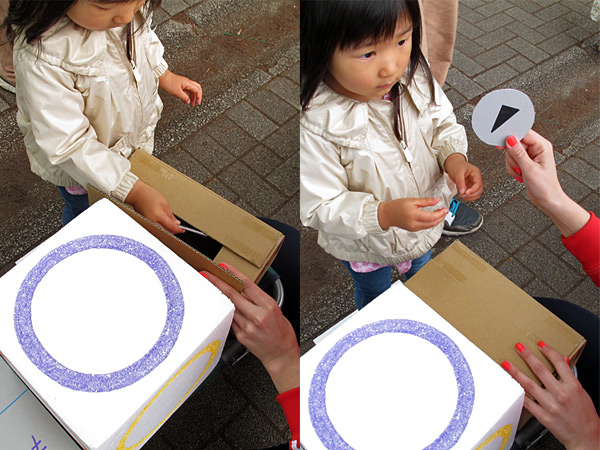
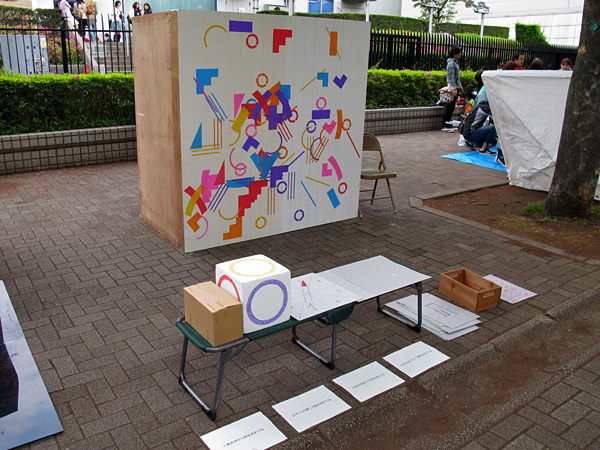
I was offered the opportunity to do an installation at the event and decided to take advantage of the presence of so many children to do an experiment with one of my automatic painting projects. Four stations were prepared where people (mostly children) could choose randomly between 9 figures, 6 colors, 8 orientations and 289 positions. This choice was determined through a series of simple games. The experiment lasted 5 hours during which 85 people participated and 86 figures were painted.

Video:

Photos:

This project would not have been possible without the help of Sierra Forest and the invitation and hospitality of Yusaku and his family. Thanks!

Muban – Expérience de dérive urbaine

Désolé, cet article n’est pas encore disponible en français.
En attendant, vous pouvez toujours le lire en English ou en Español.

Muban (木板, “wood board” in Chinese)
Urban drift experiment with wooden boards
Beijing, China 2011 – 2013

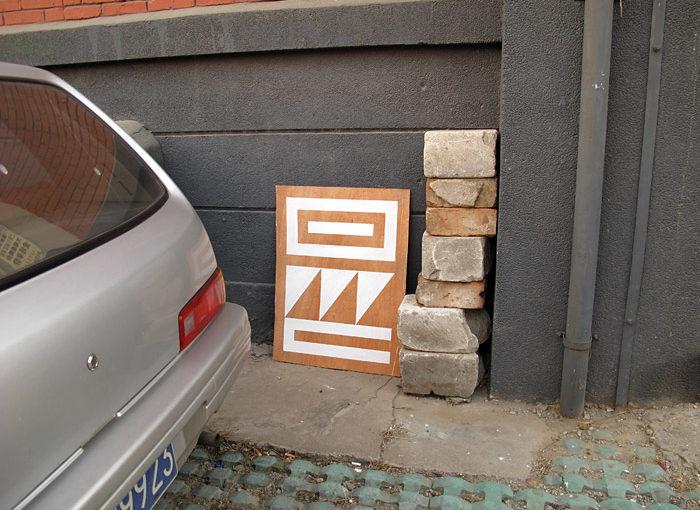
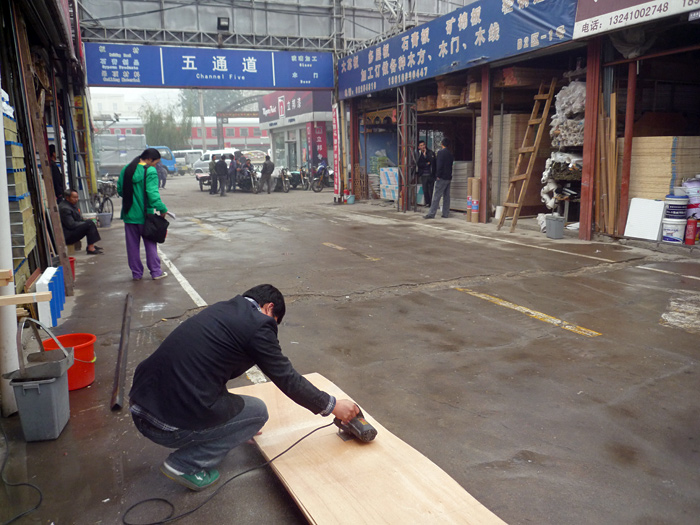
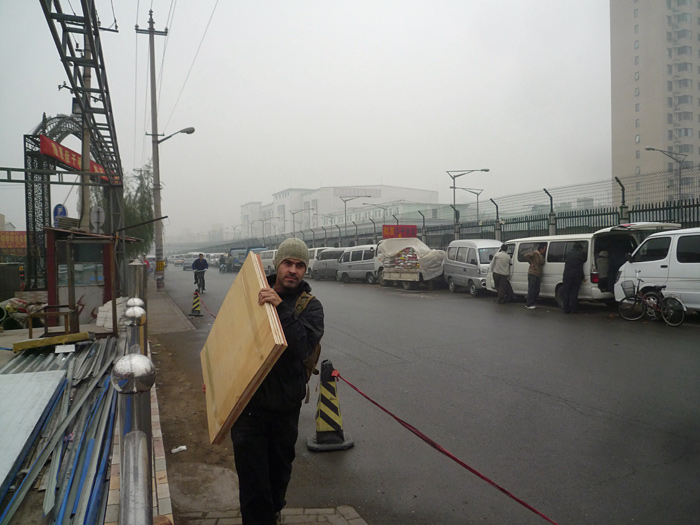
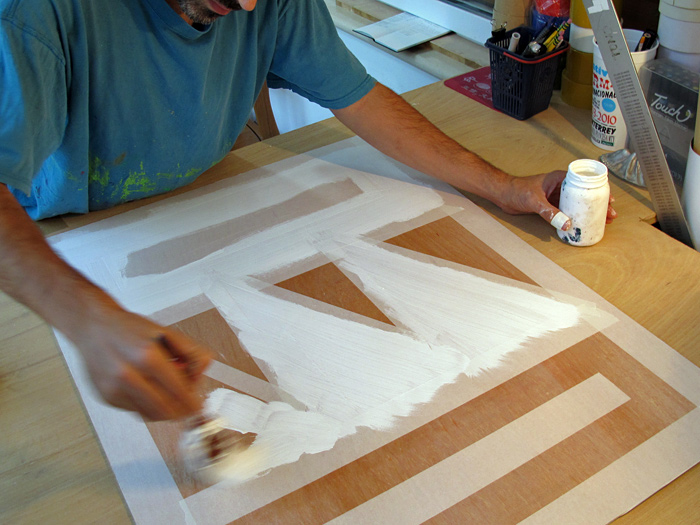
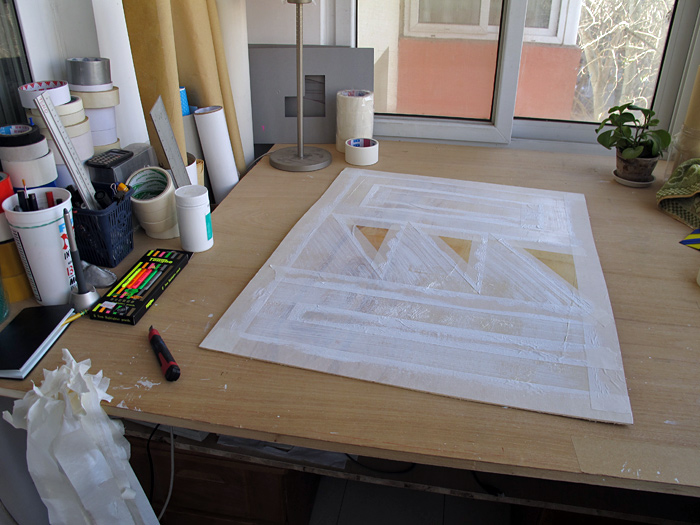
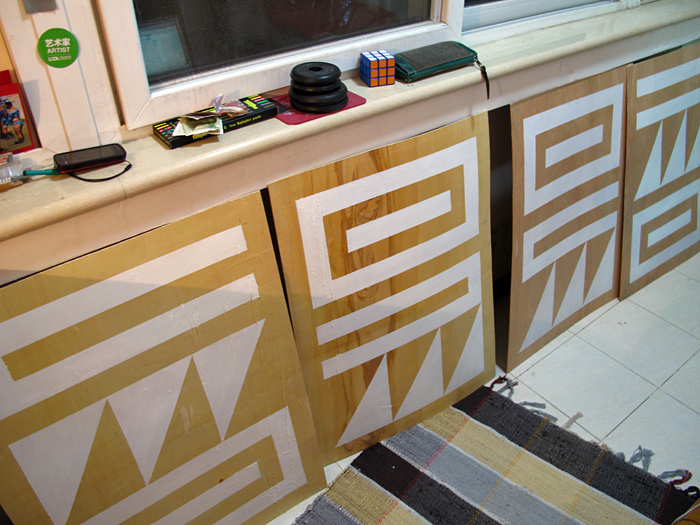
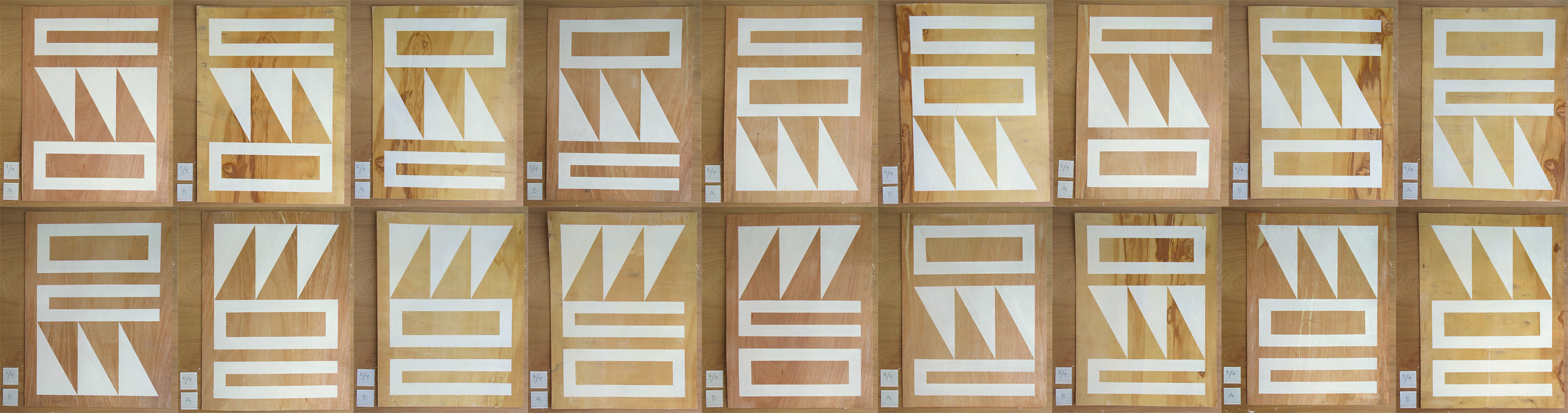
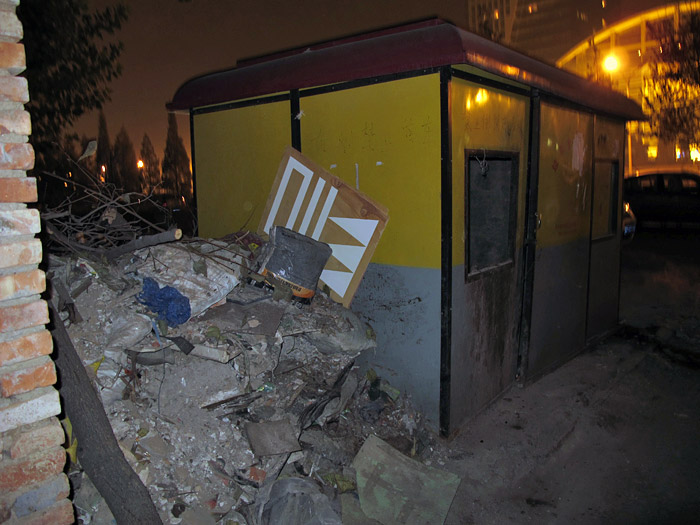
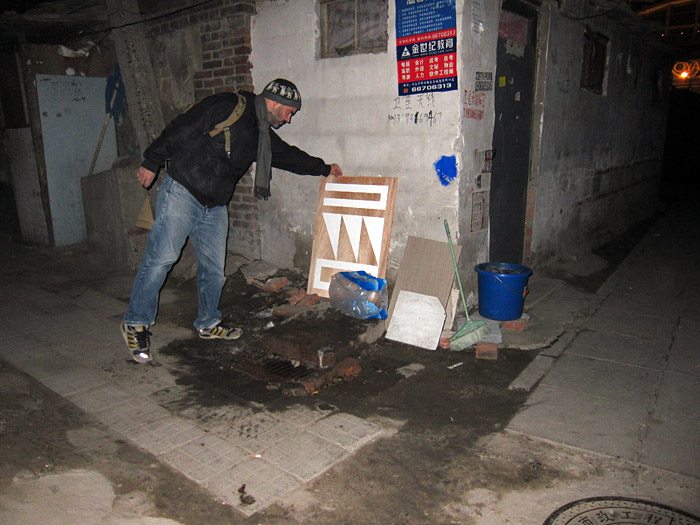
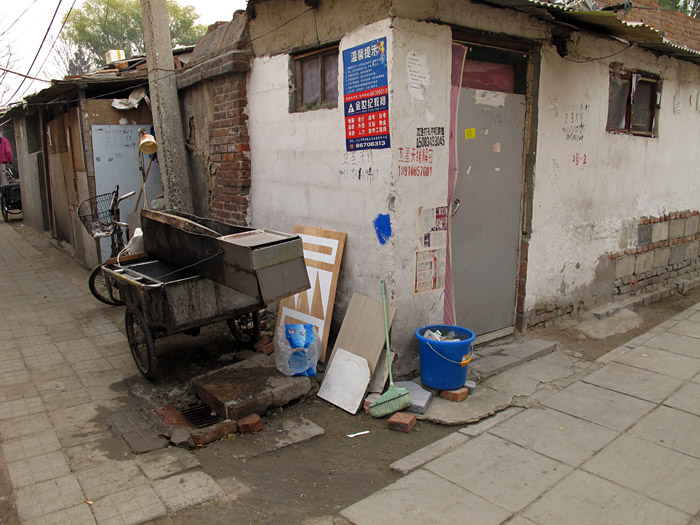
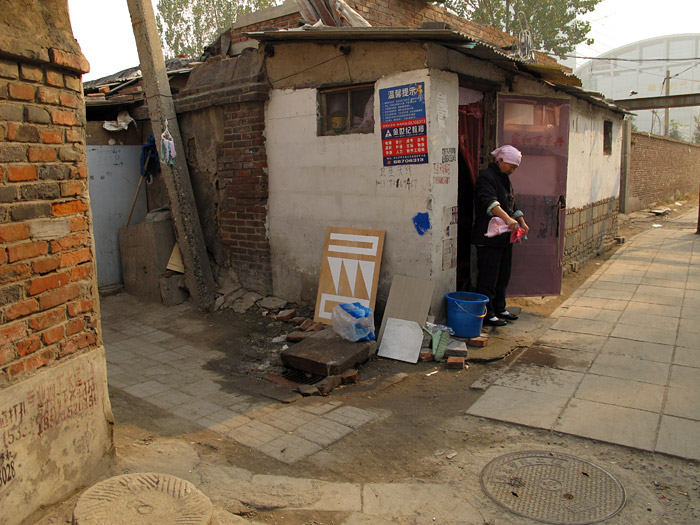
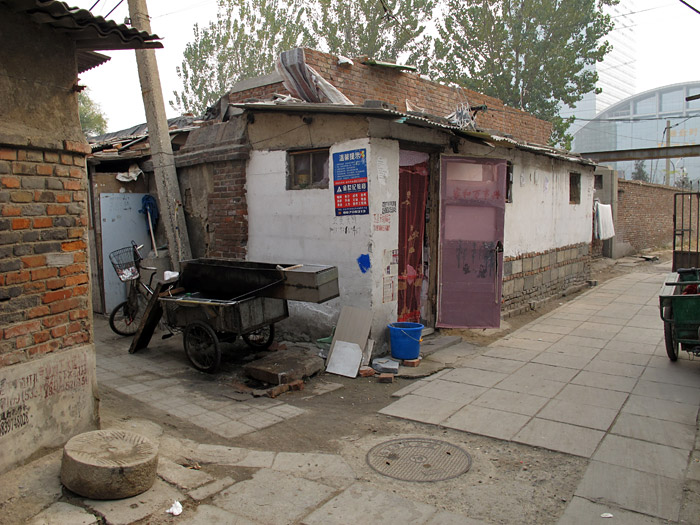
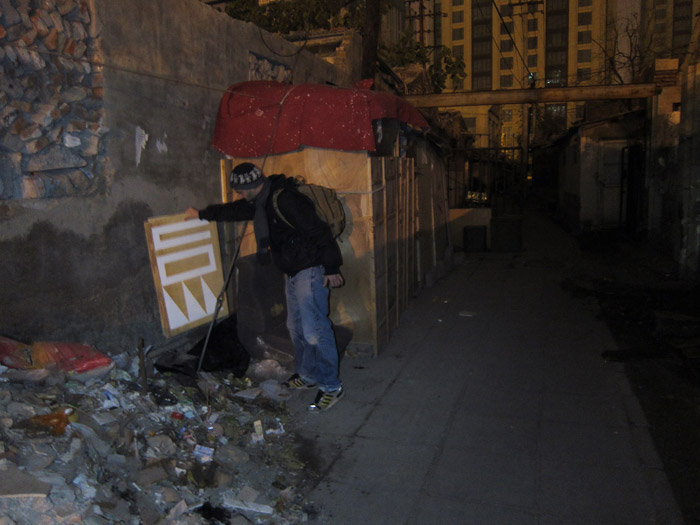
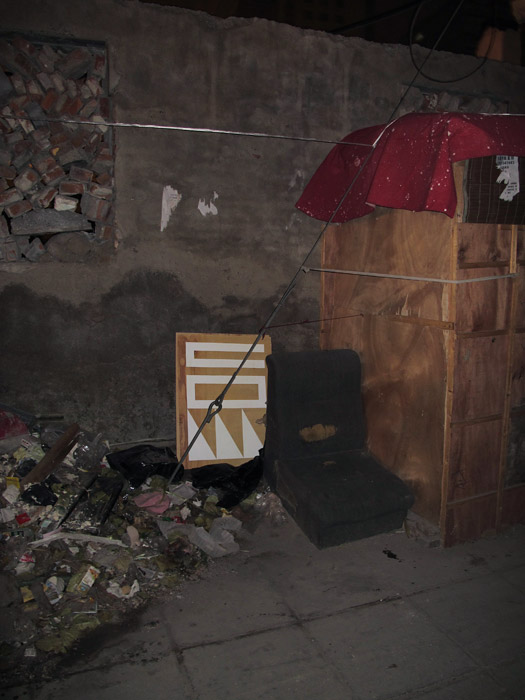
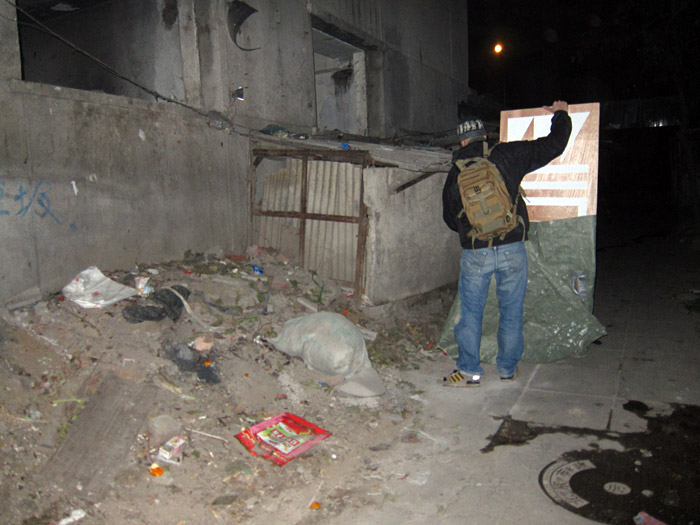
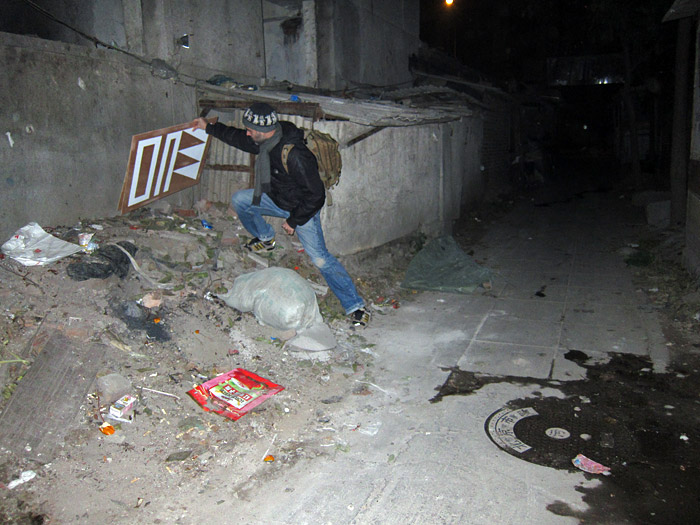
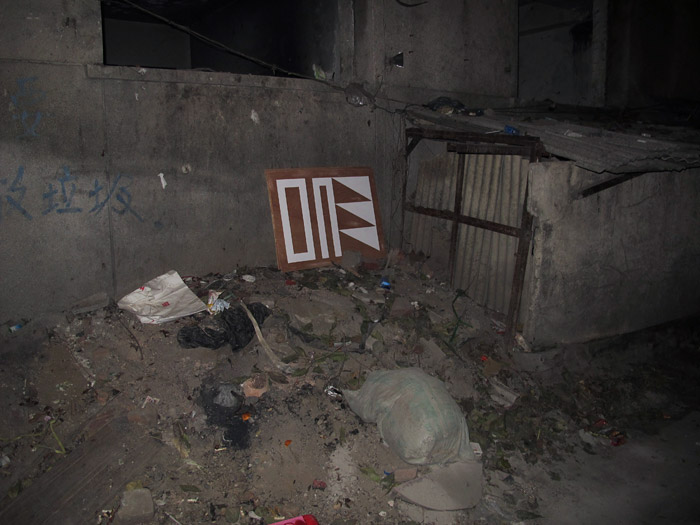
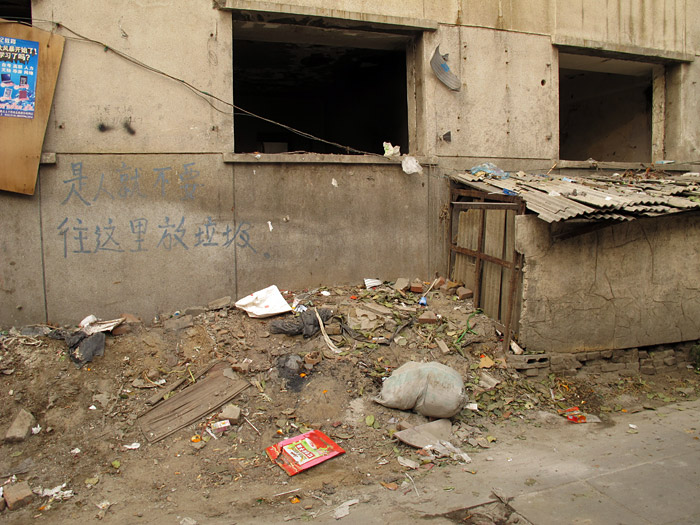
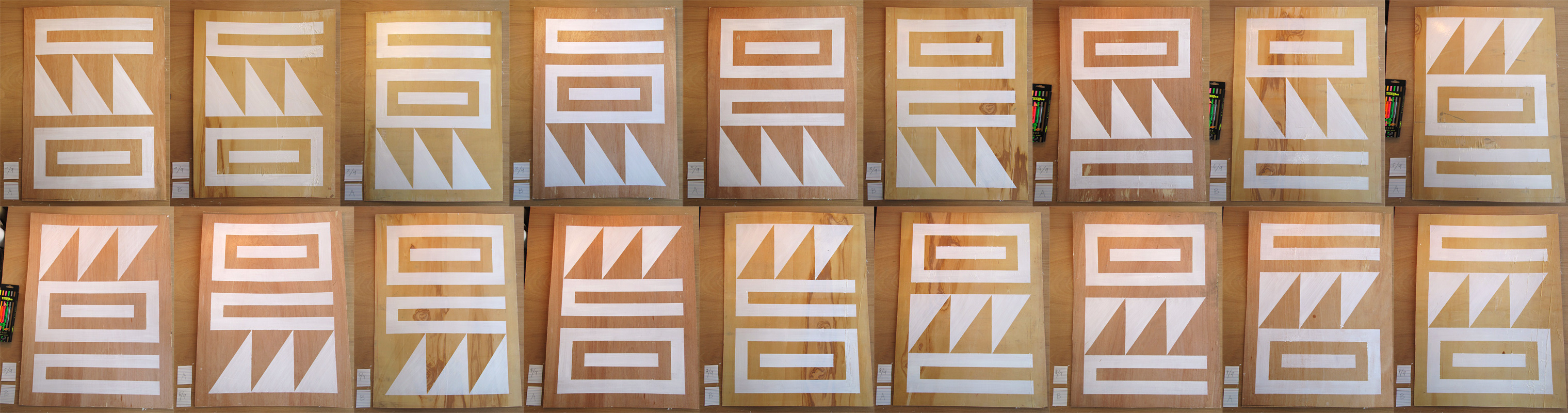
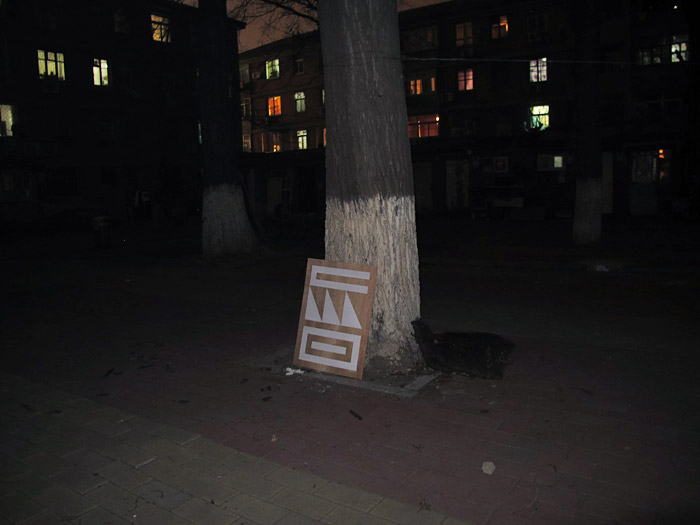
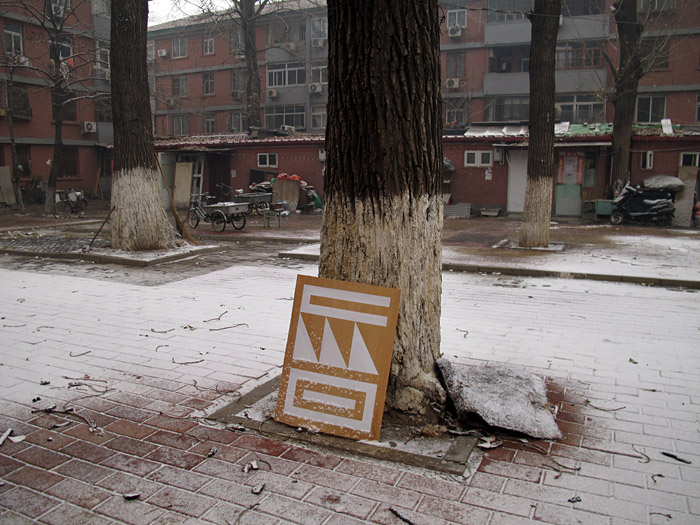
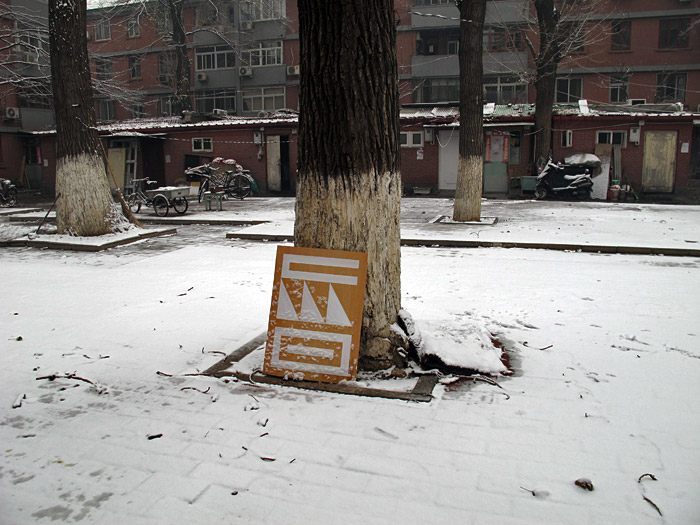
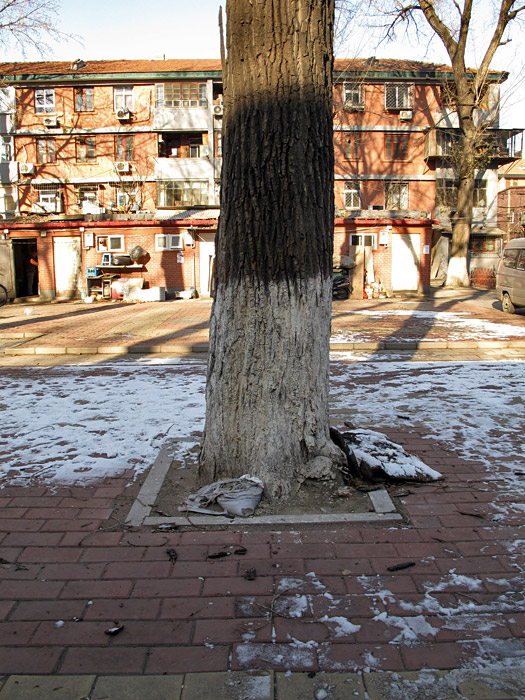
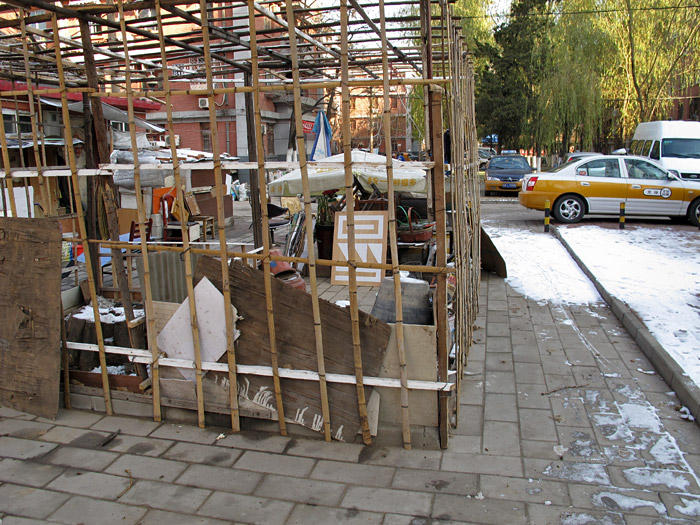
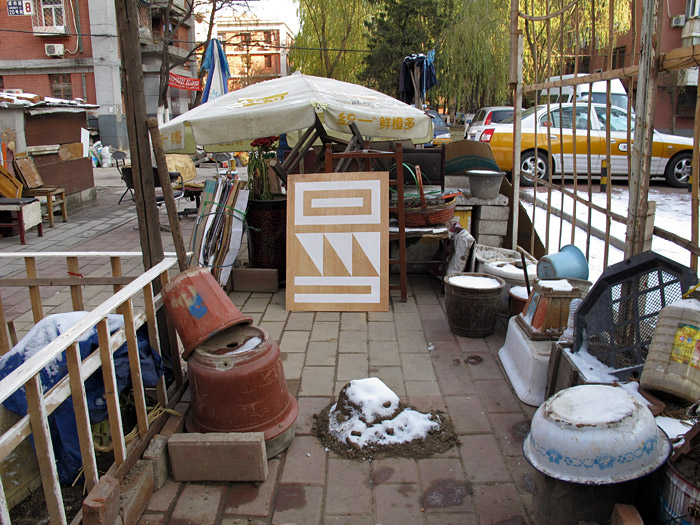
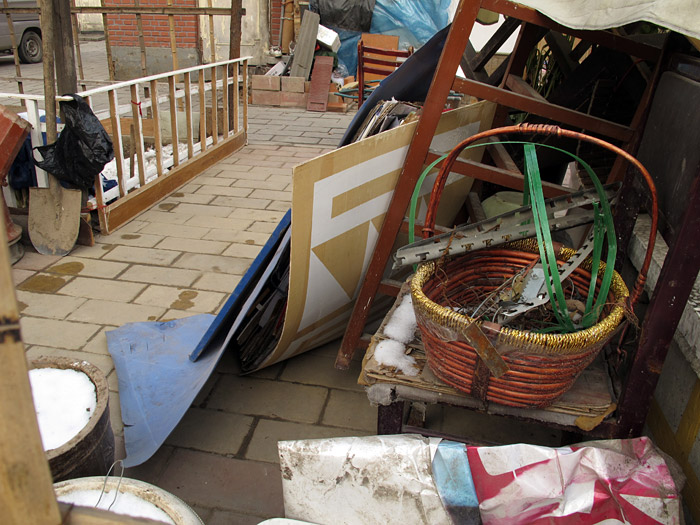
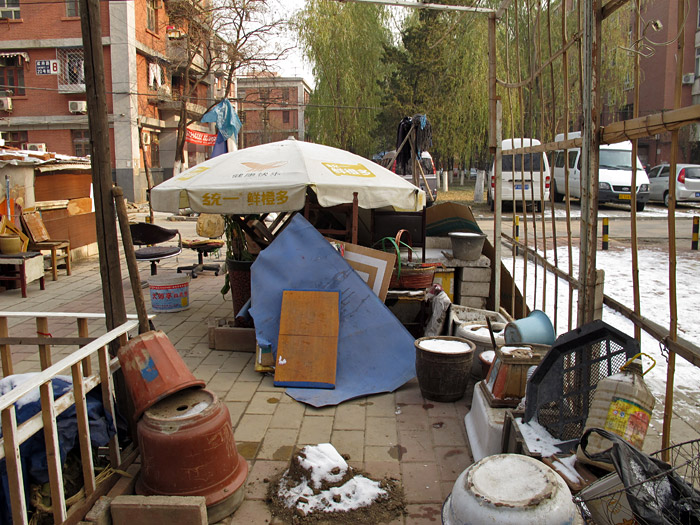
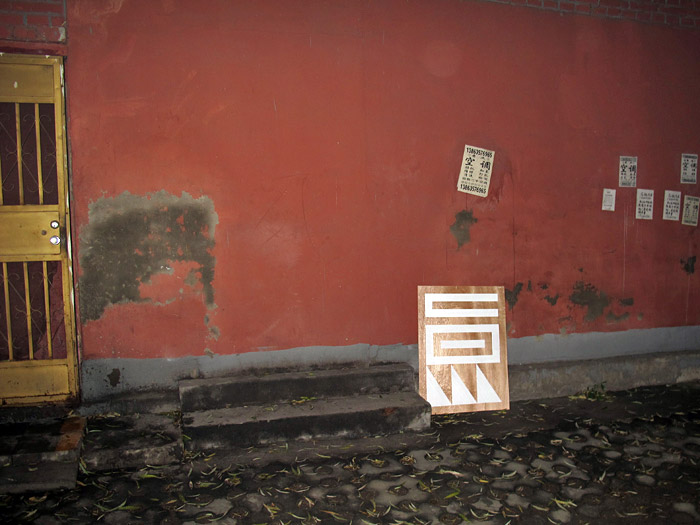
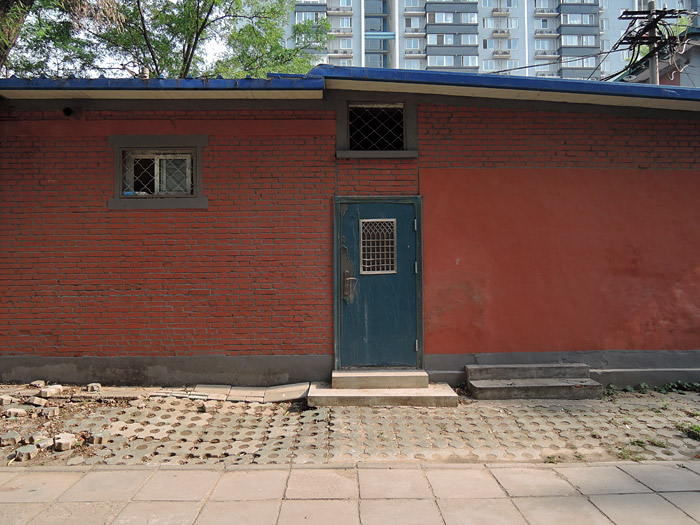
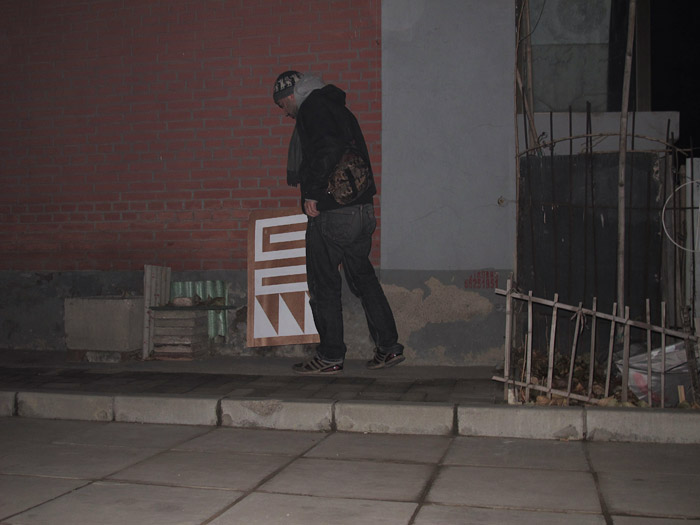
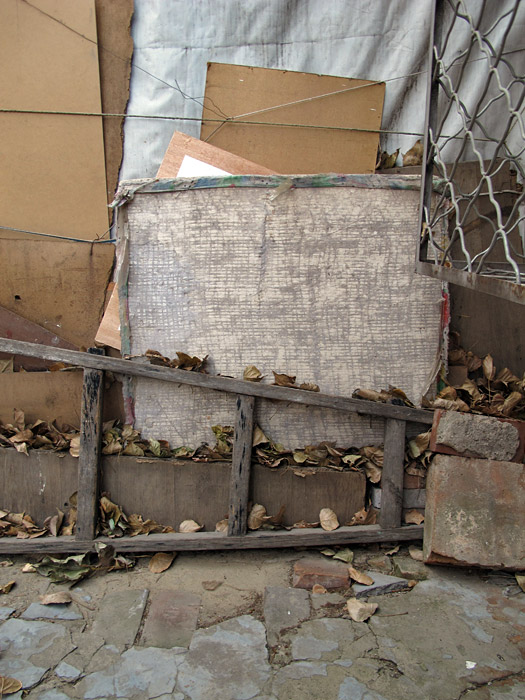
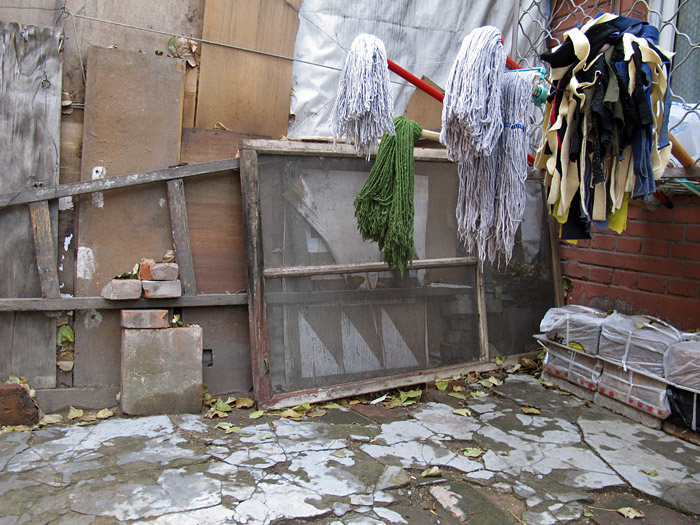
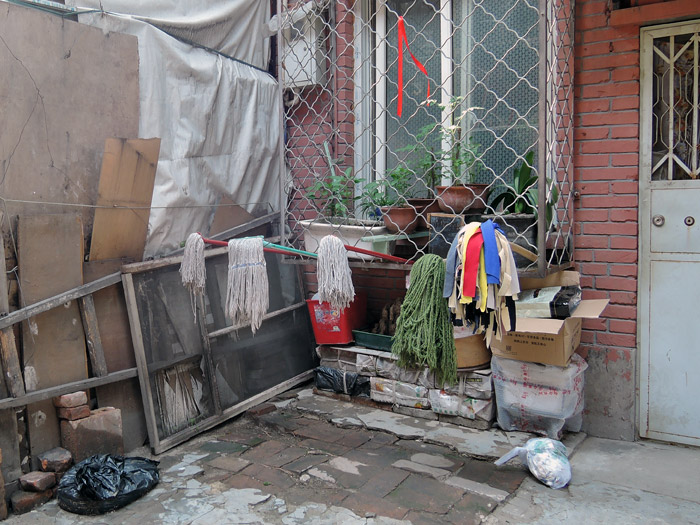
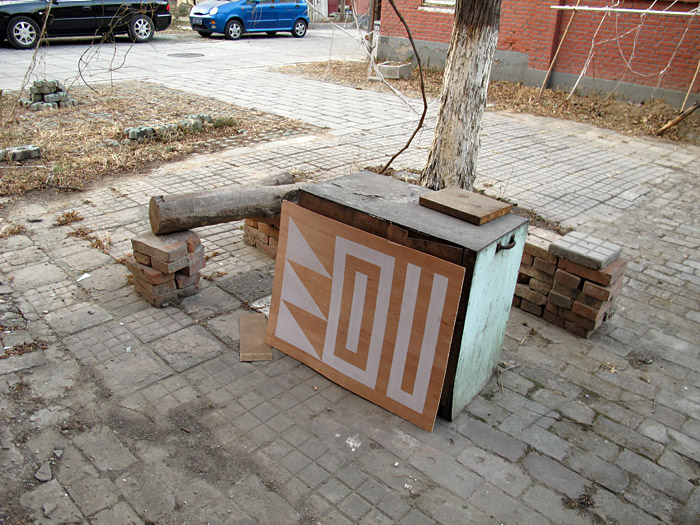
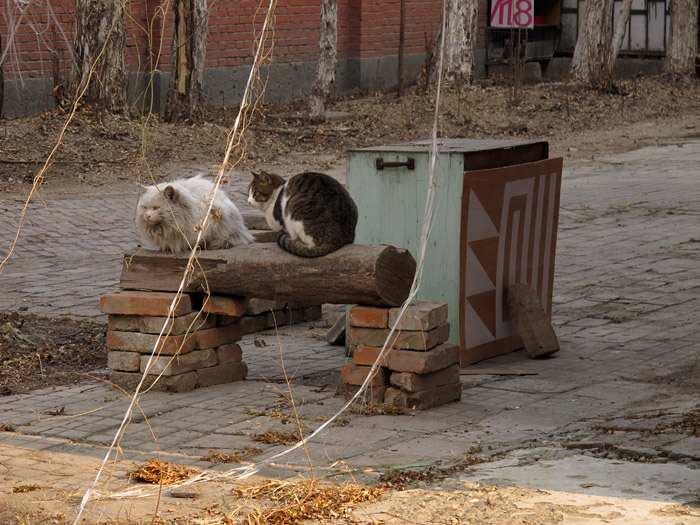
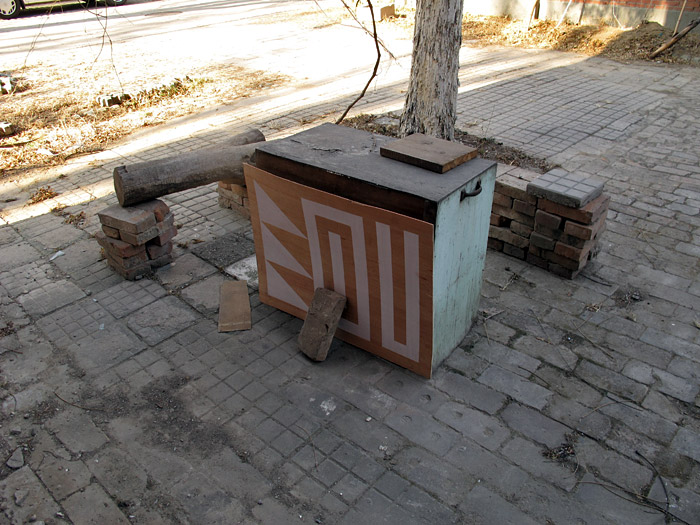
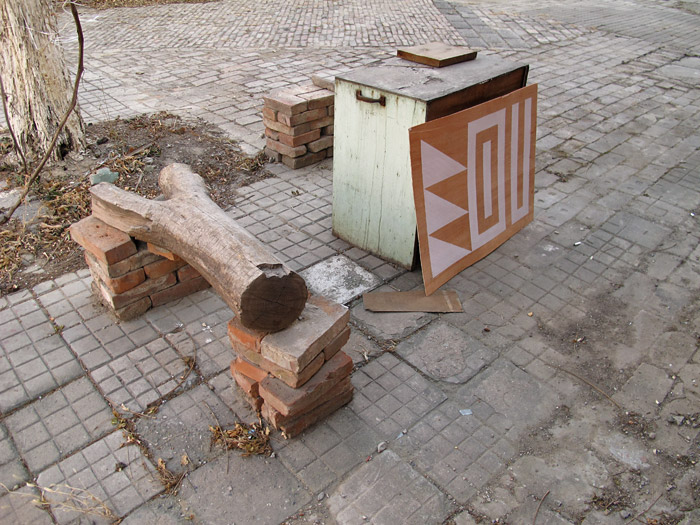
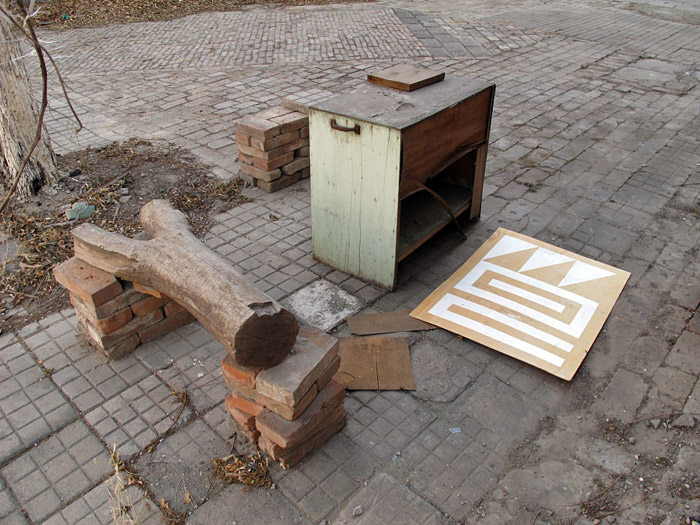
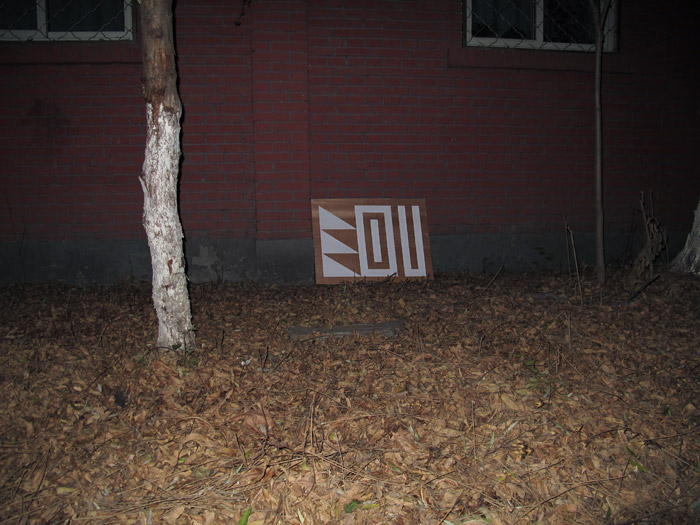
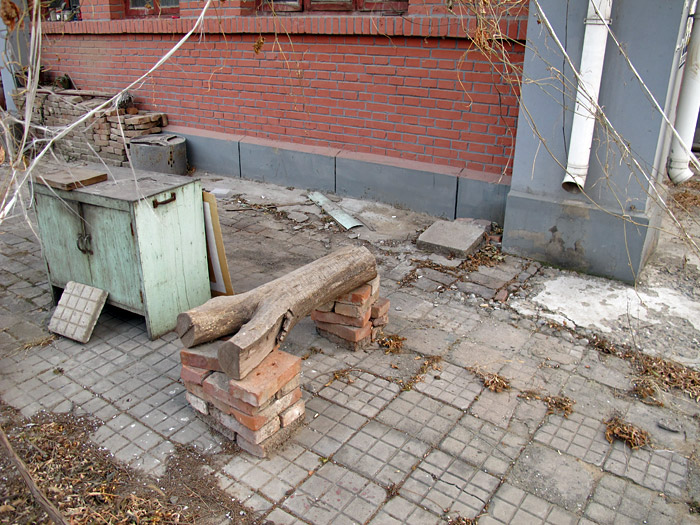
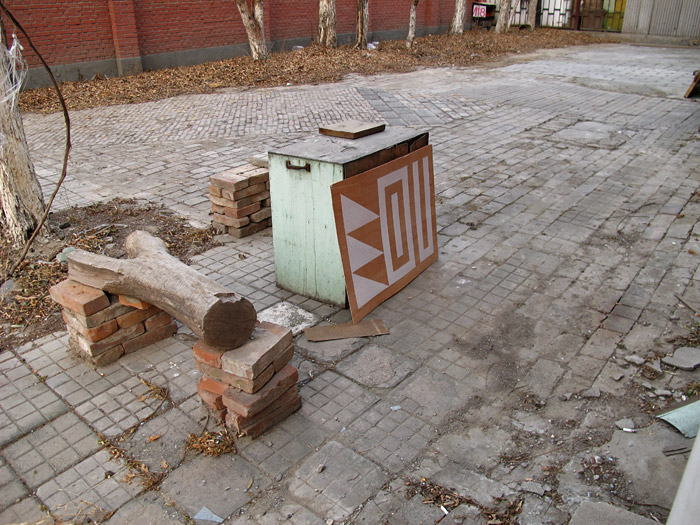
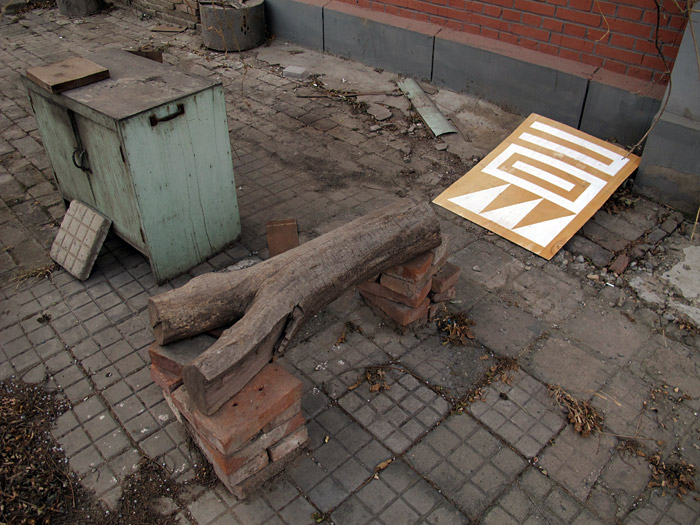
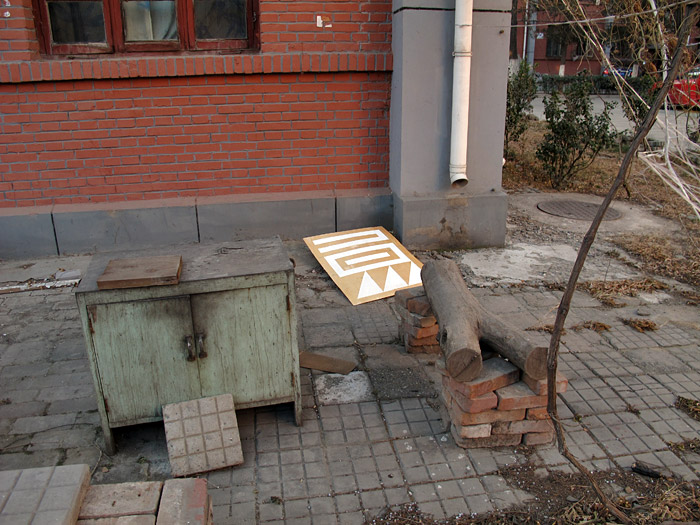
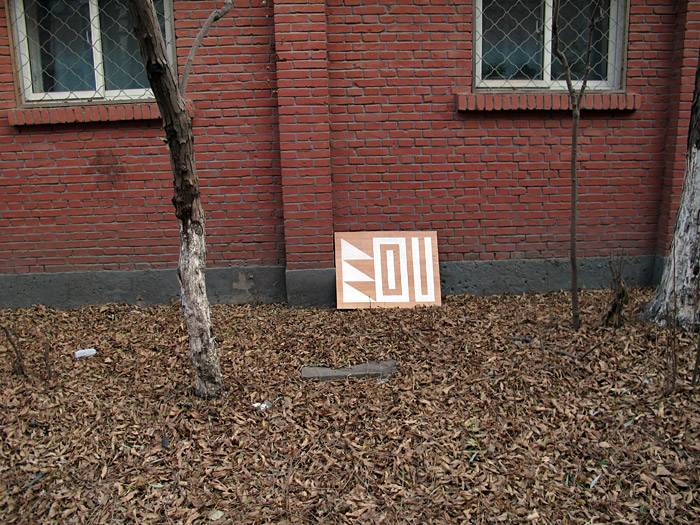
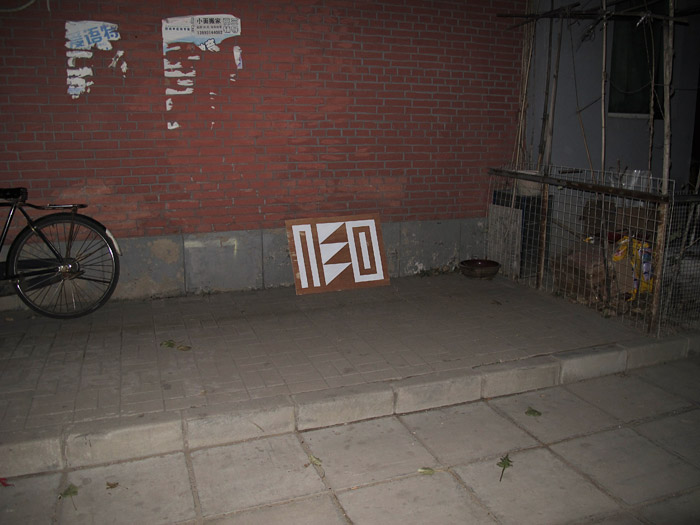
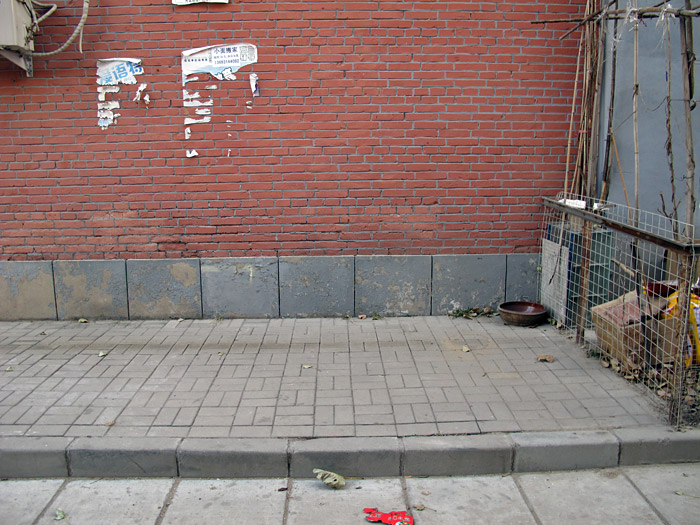
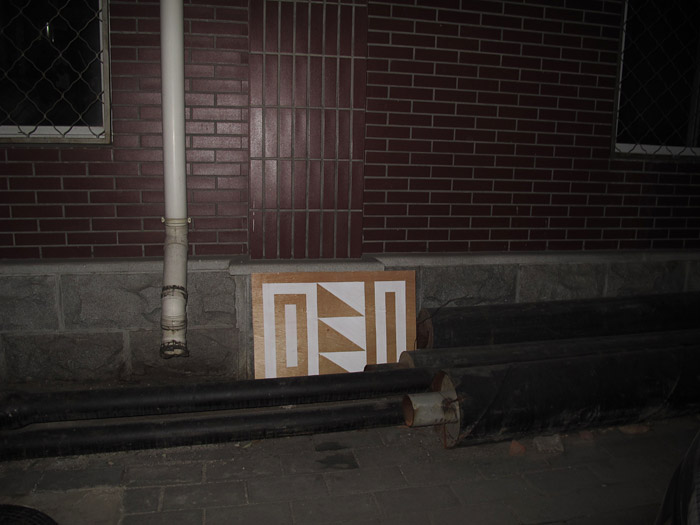
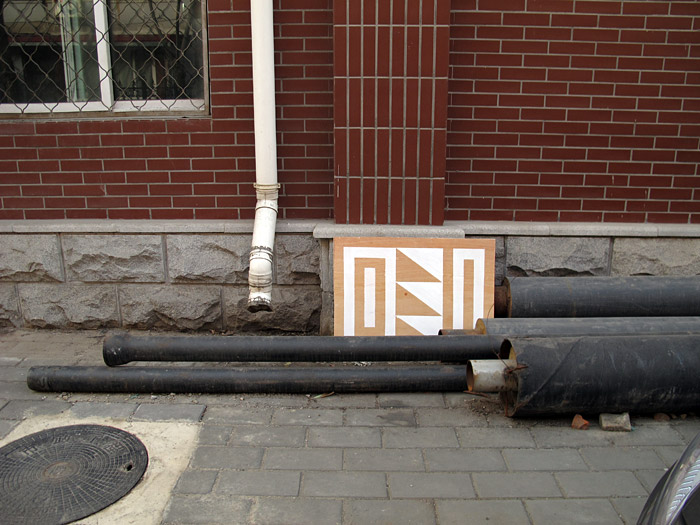
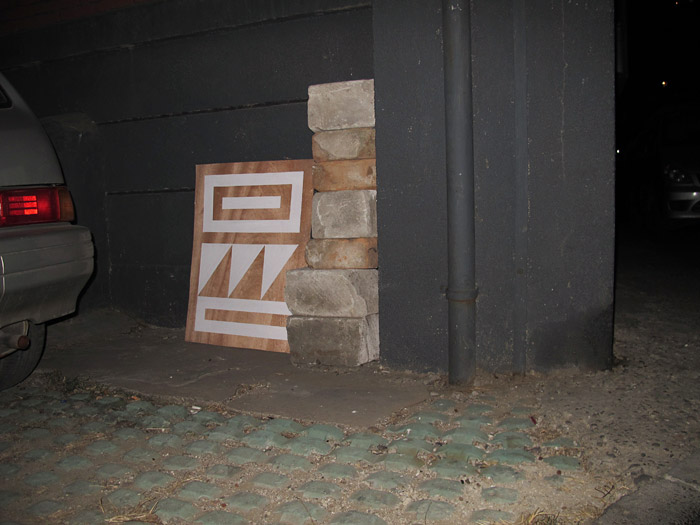
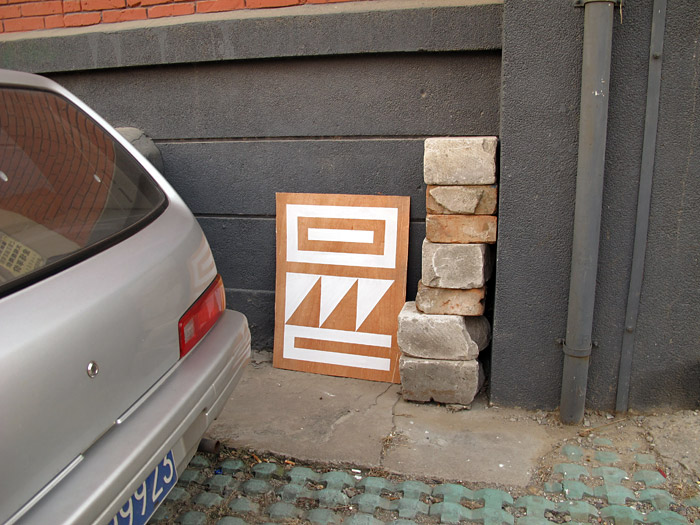
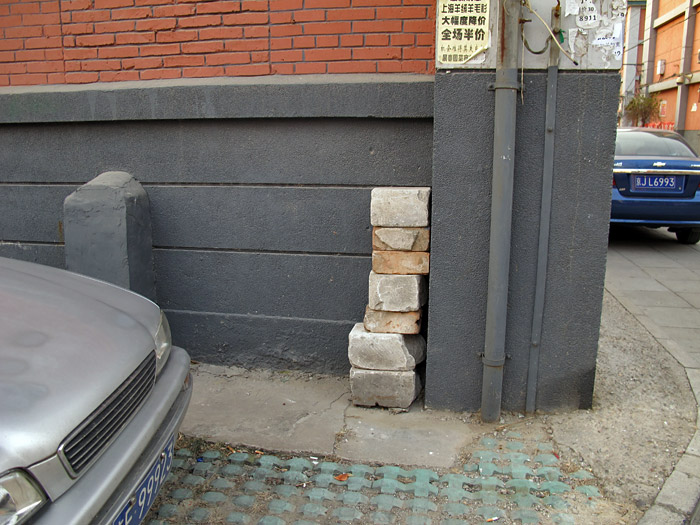
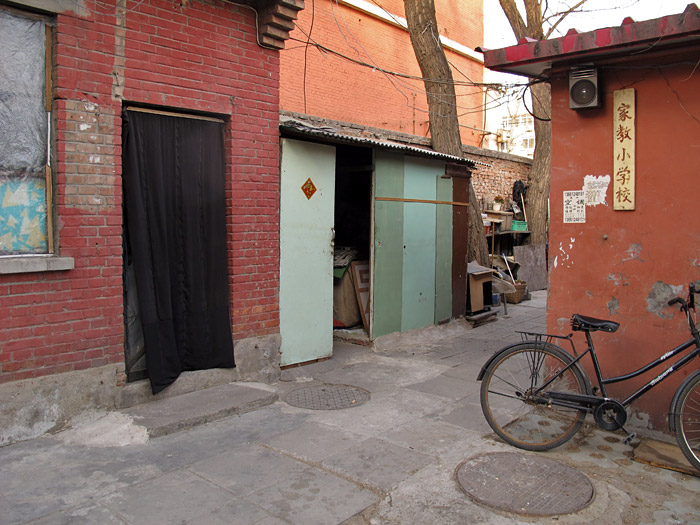
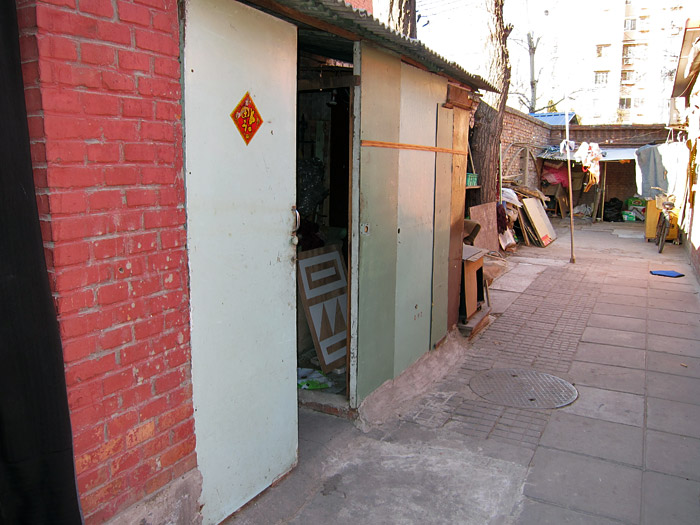
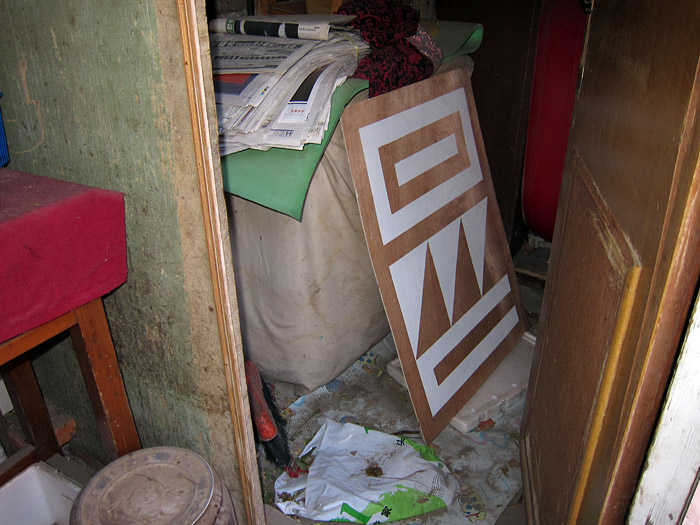
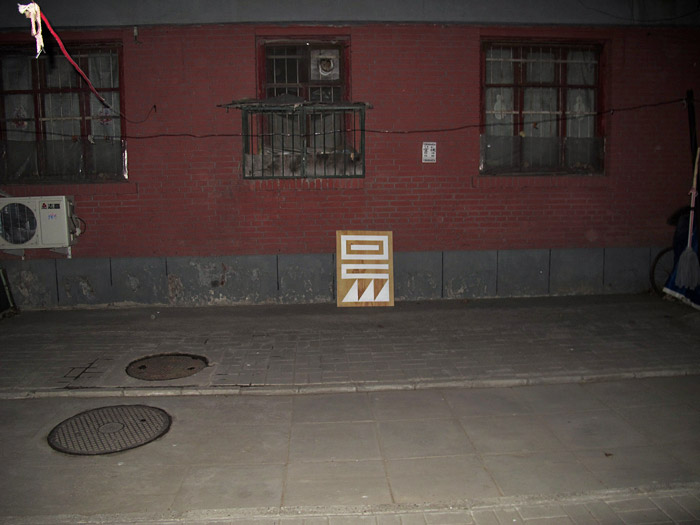
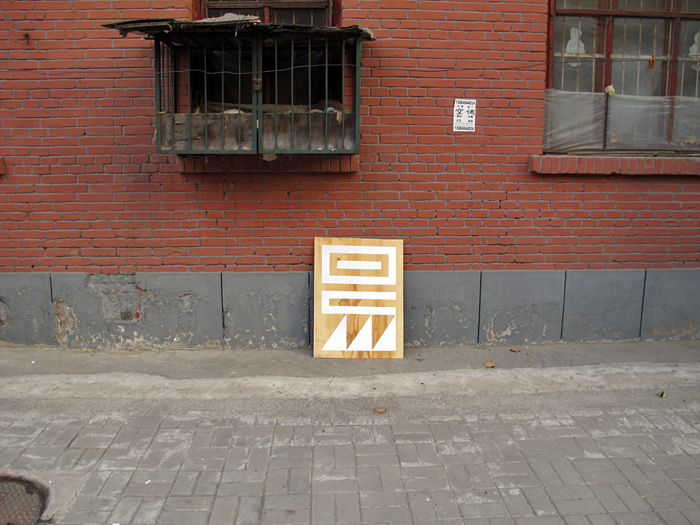
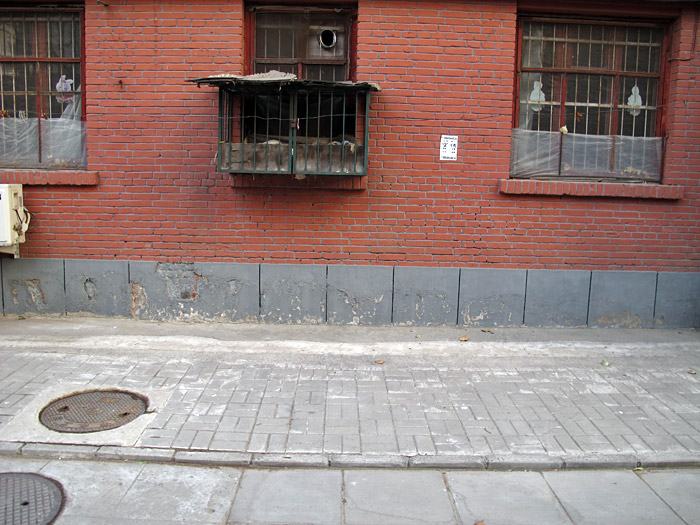
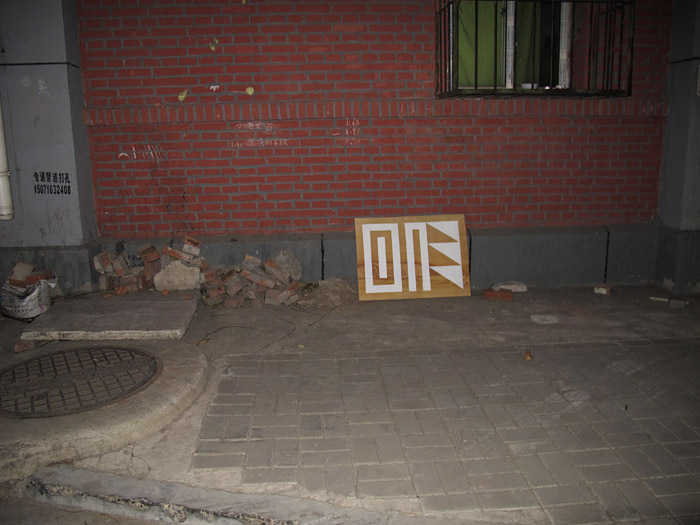
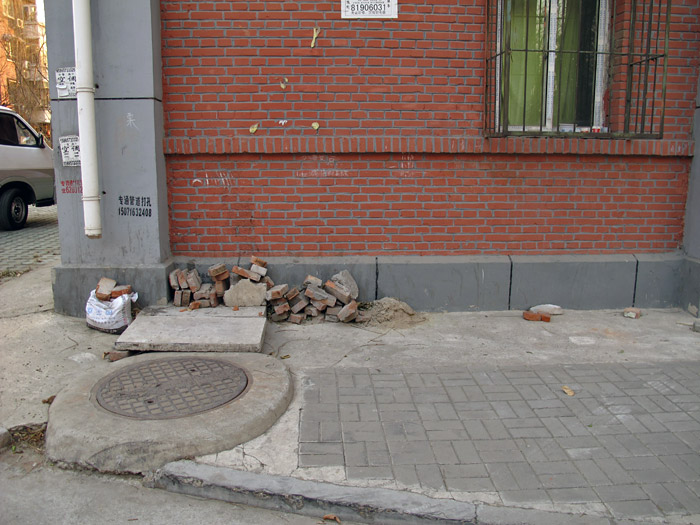
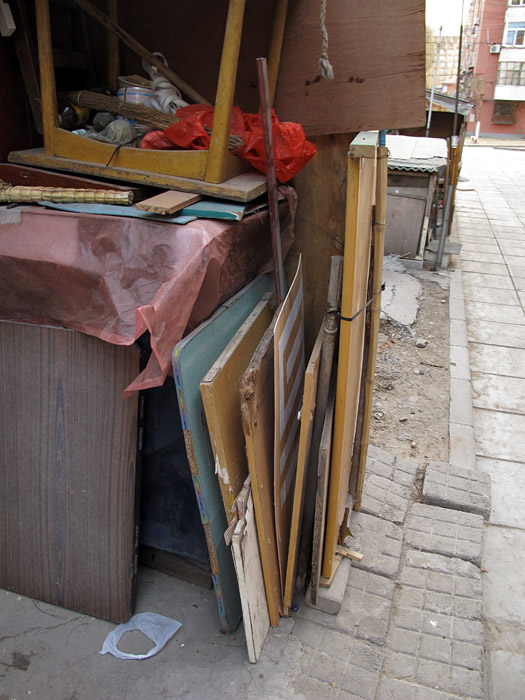
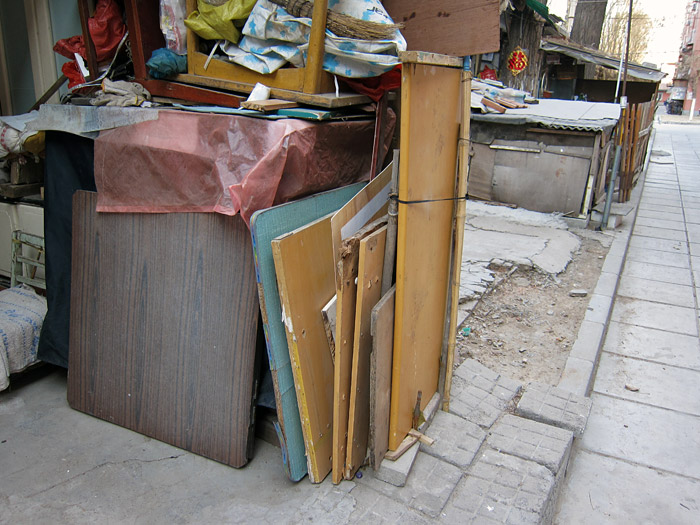
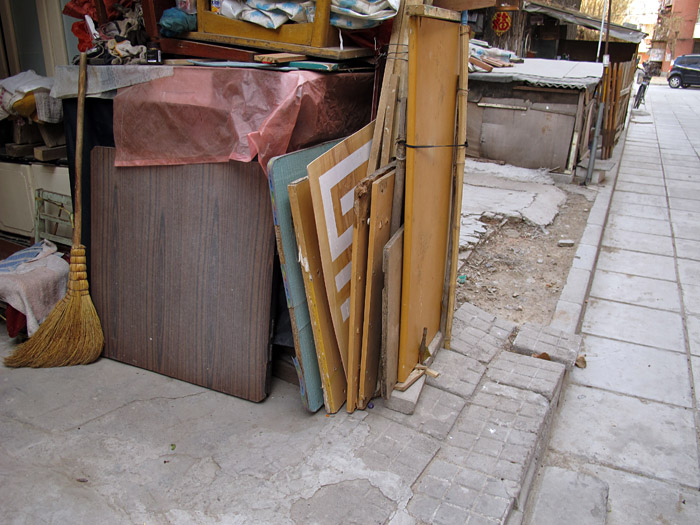
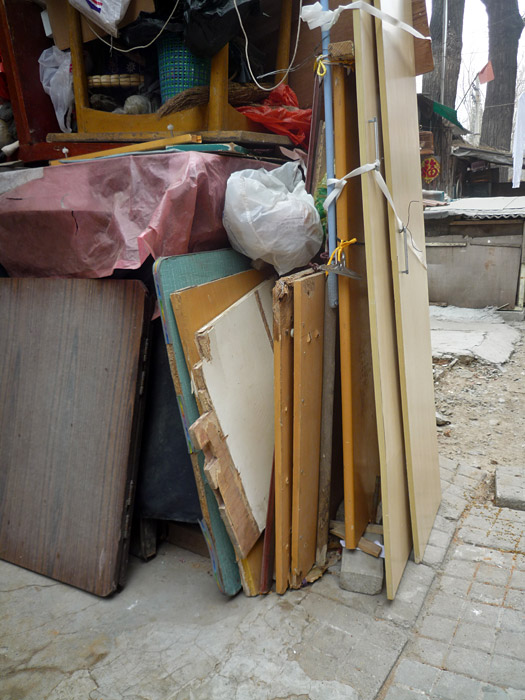
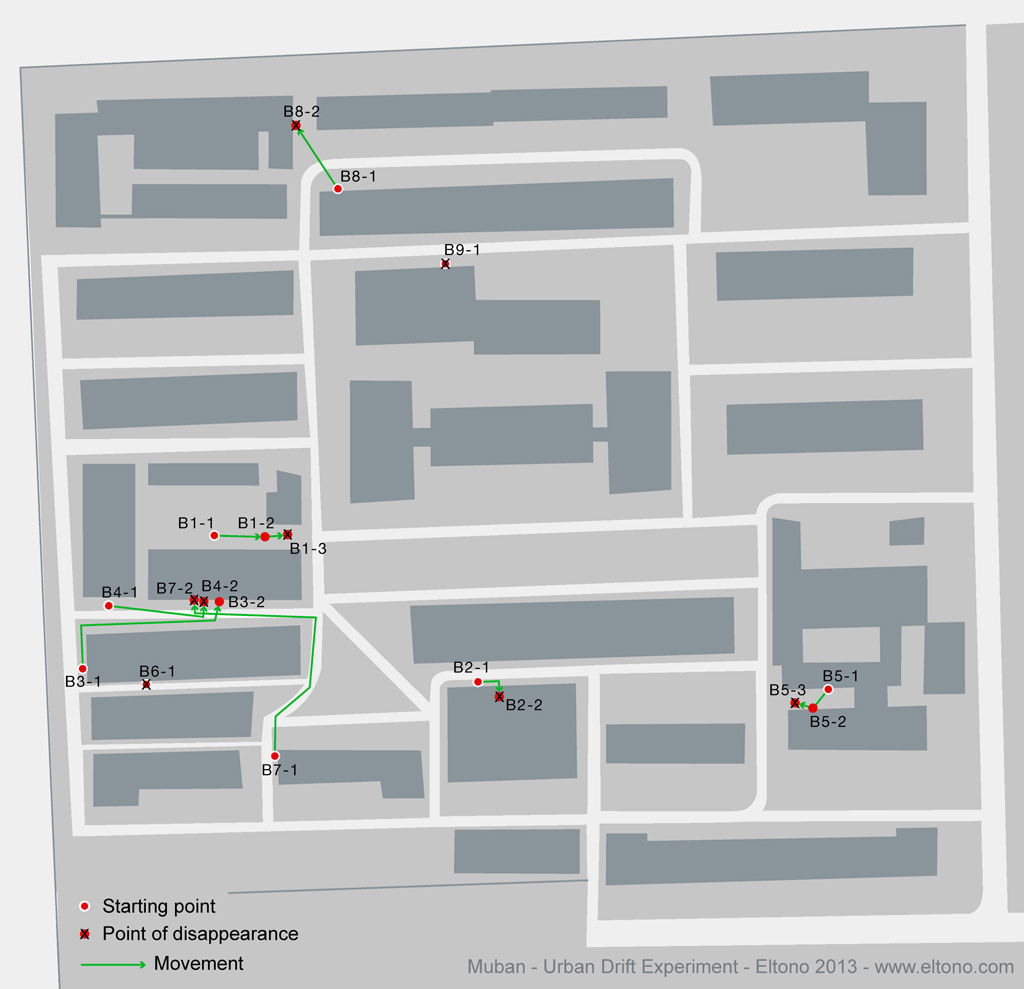
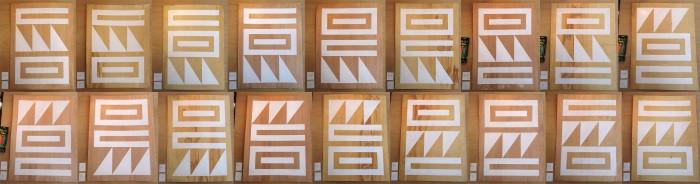
Muban is an experiment about movement and material recuperation. Since I moved to China, I have been observing how people constantly recycle everything – from cardboard boxes and plastic bottles to bricks, doors and windows from demolished buildings. These materials are immediately collected and sold by the kilo or directly reused. I wanted to see what would happen if I threw my own material out onto the street. where would it end up? How would it be used? I bought some thin plywood boards, and had them cut (81 x 61 cm). On either side of each board I painted white shapes to be able to spot them easily. Each board was given a slightly different design so I could differentiate and follow them. Then, I left them in the street and waited to see what would happen.

Muban A, Caijing donglu
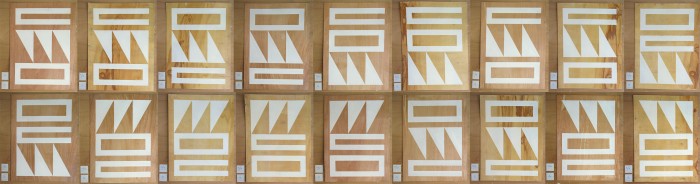
Eltono-MubanA-x18

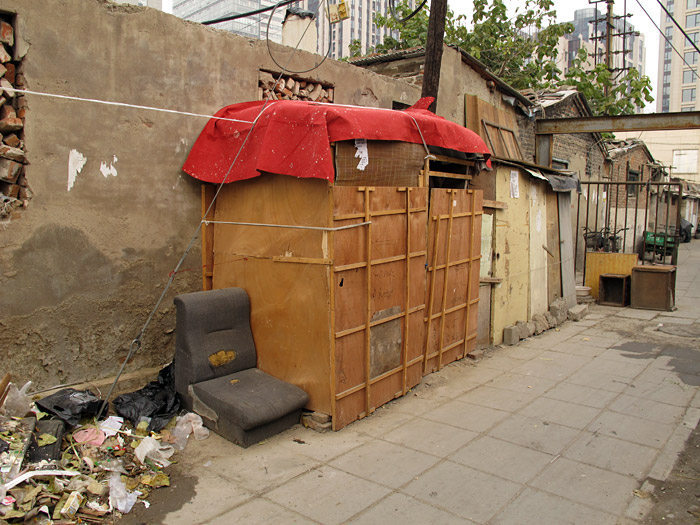
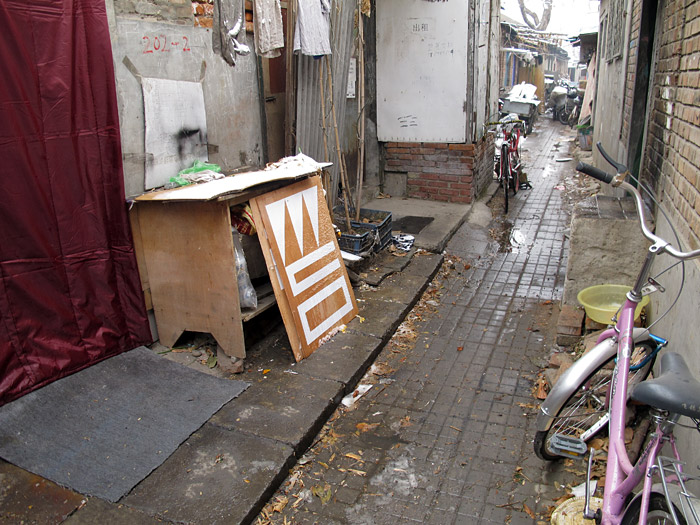
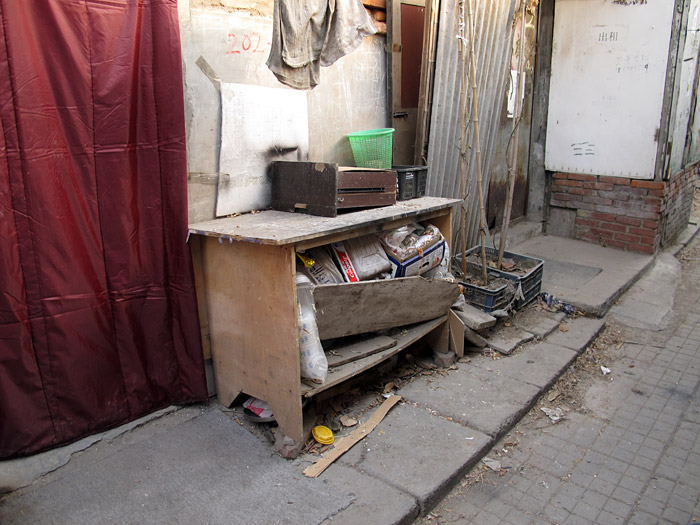
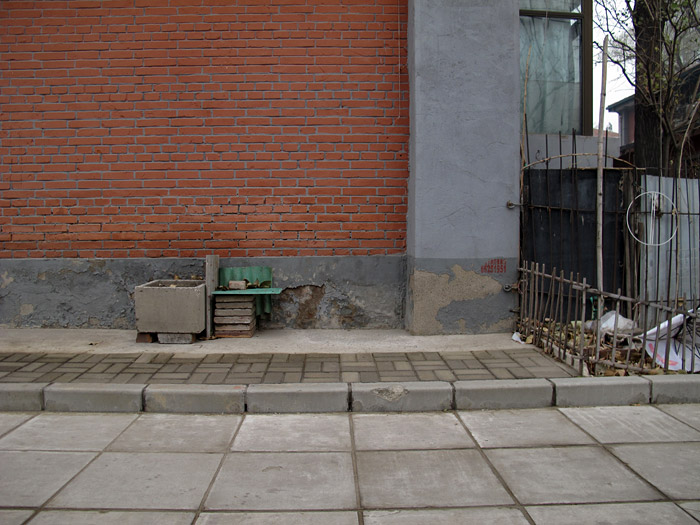
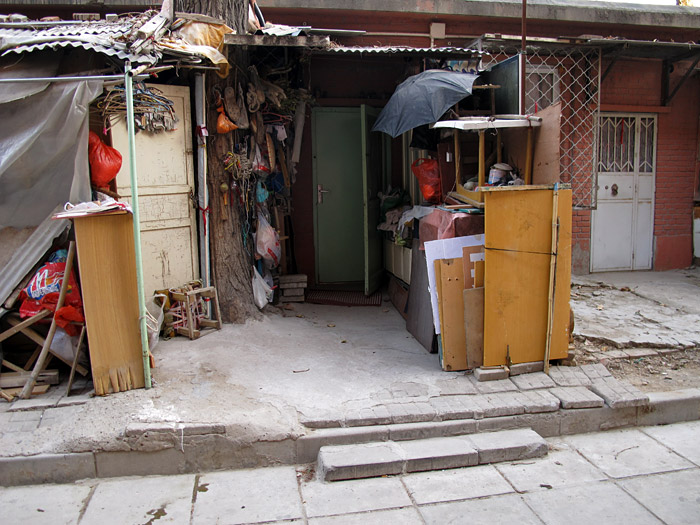
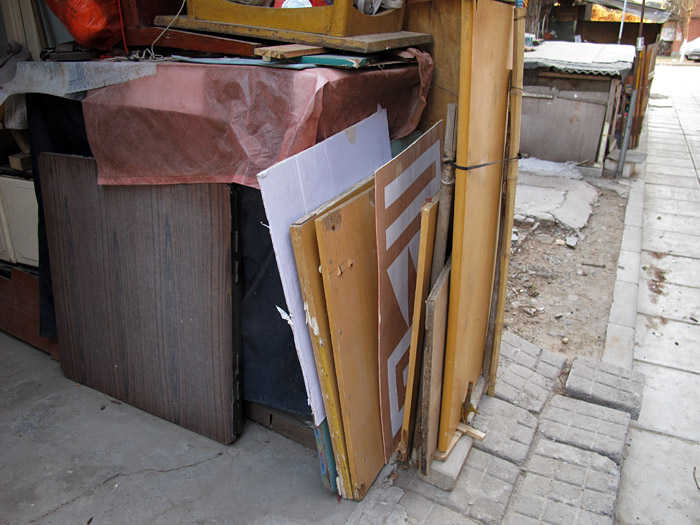
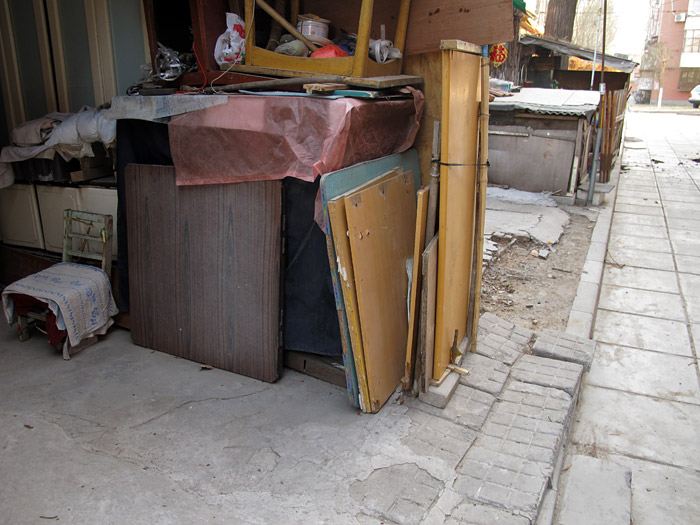
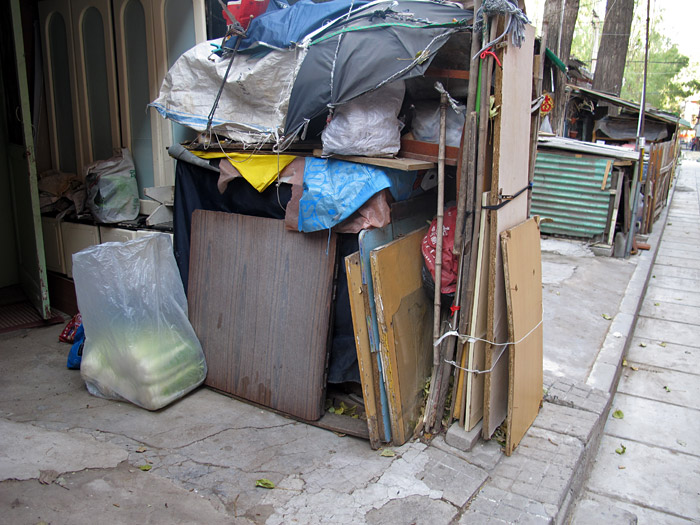
One day on my way to my daily Chinese classes, I found a shortcut passing through a “hutong” neighborhood. I found it so interesting, compared with the rest of the over-urbanized area around, that I decided to pass through there everyday. The people living there were very kind, always smiling and open to communication. I decided to do the first Muban experiment in this neighborhood because it was quite small, had one story homes and very few residents lived there. Furthermore, as I was walking or biking through it everyday, I would be able to observe the pieces and how they moved twice a day. I prepared the first nine Mubans in my studio and one night, I deposited them around the tiny hutong streets. I distributed the boards into four sets: one containing three boards and the other three containing two. They disappeared very fast and, only once (18 days later), was I able to see a set of two boards (A6 and A7) reappear again in an adjacent street before it was completely gone. I abandoned the nine boards in November of 2011 and I continued to observe until the summer of 2012. Today this neighborhood is almost completely gone. Most of the people have lost their homes and have been forced to move somewhere else in order to build more towers and skyscrapers.

Click on the images to enlarge them and read the captions to follow the story.

Muban A1, A4 and A5:

Muban A2 and A9:

Muban A3 and A8:

Muban A6 and A7:

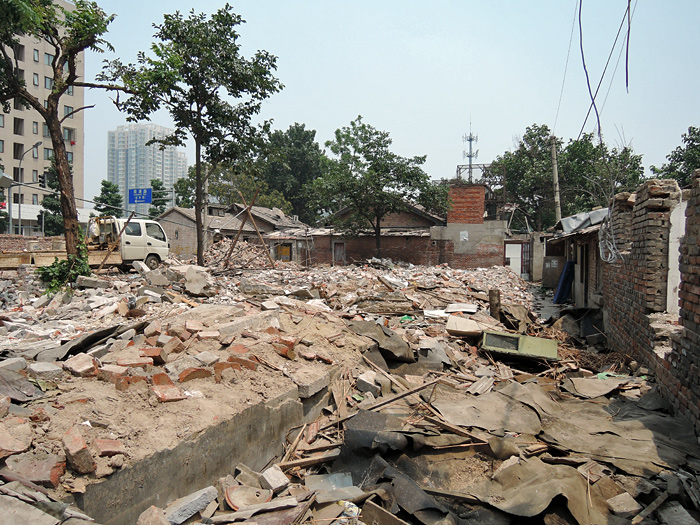
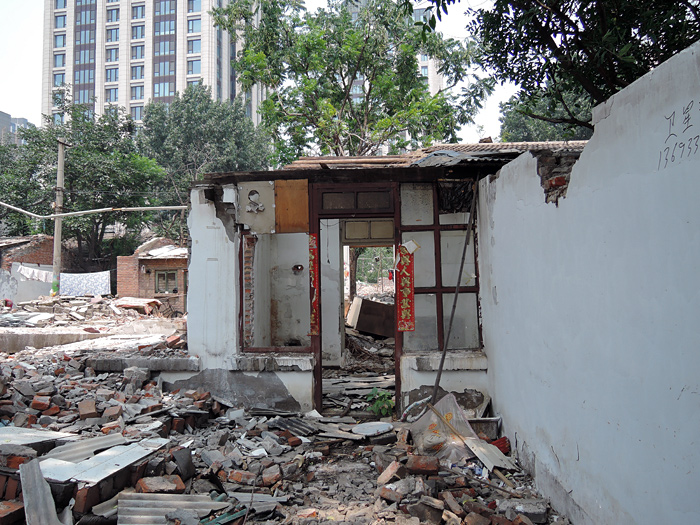
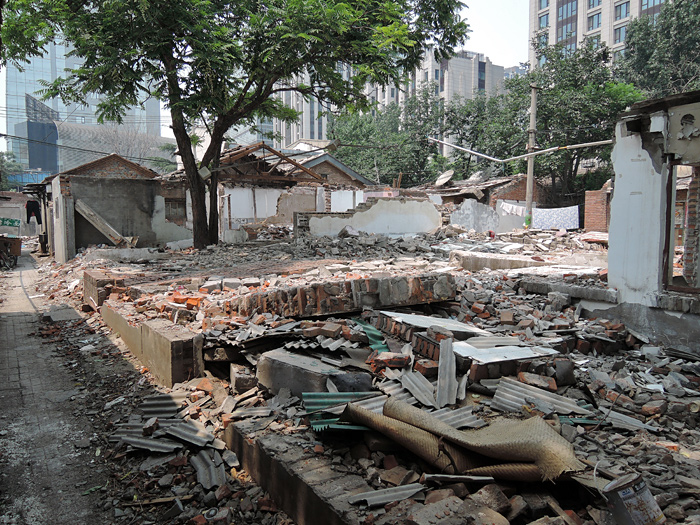
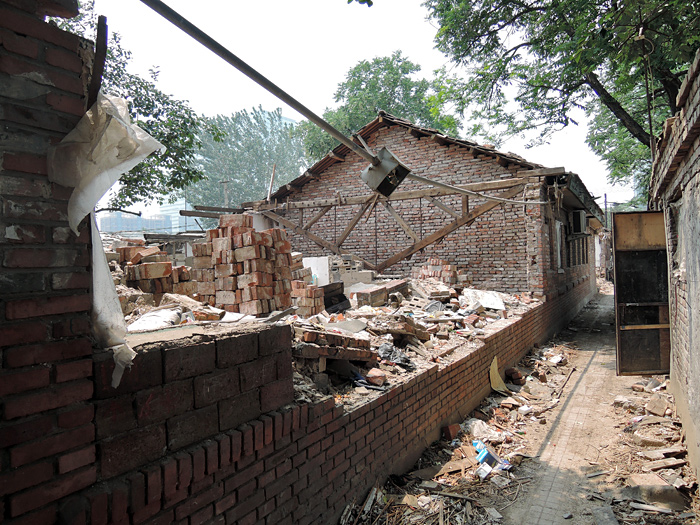
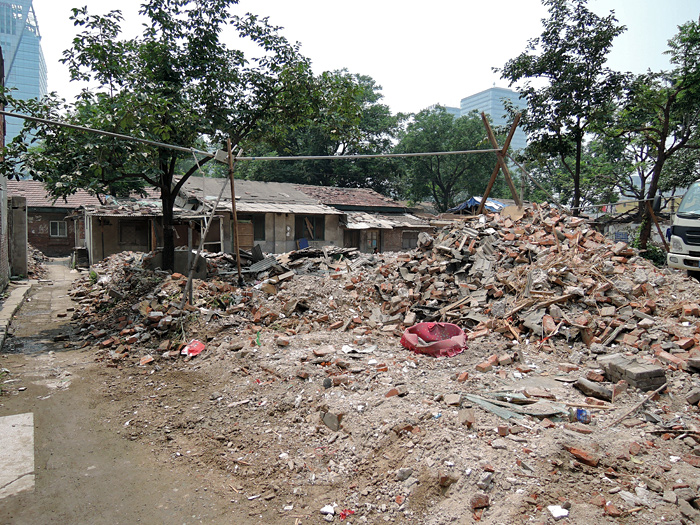
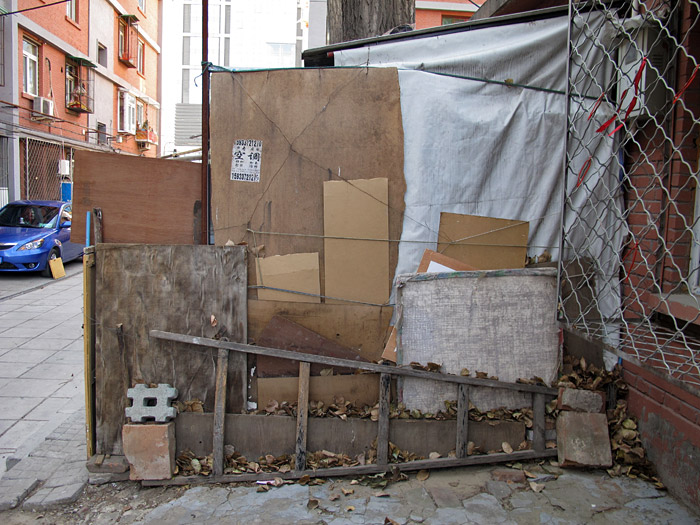
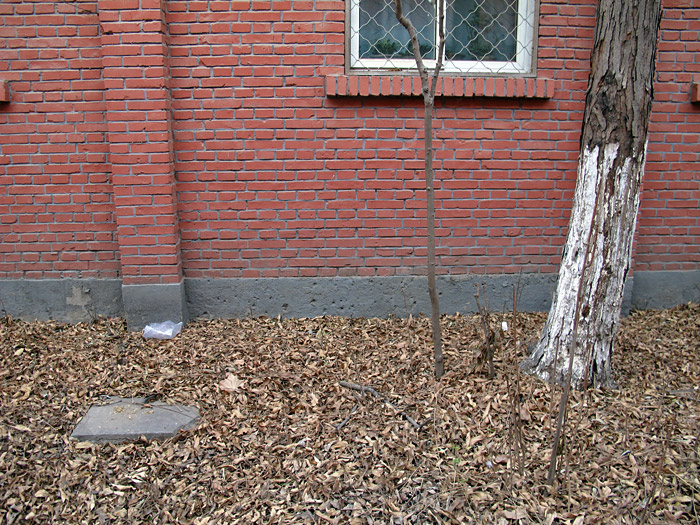
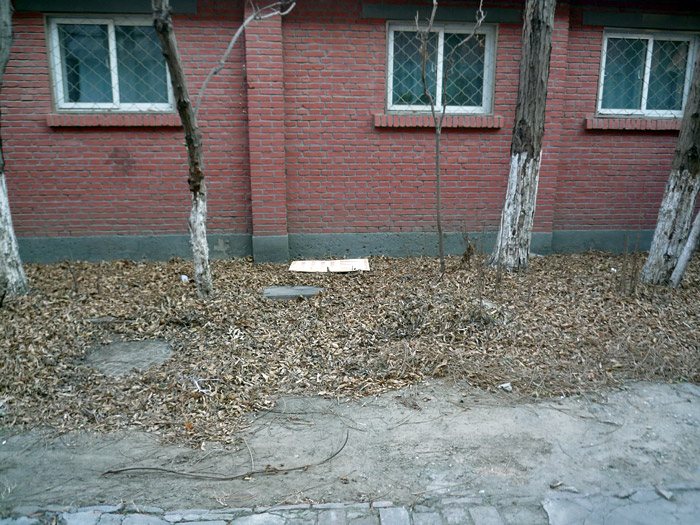
This is how this hutong neighborhood looks today (June 2013). In almost every picture you can see some tall buildings surrounding the area – this is what they’ve planned to build here, more towers, once the last residents have been kicked out.

Muban B, Chengfulu
Eltono-MubanB-x18

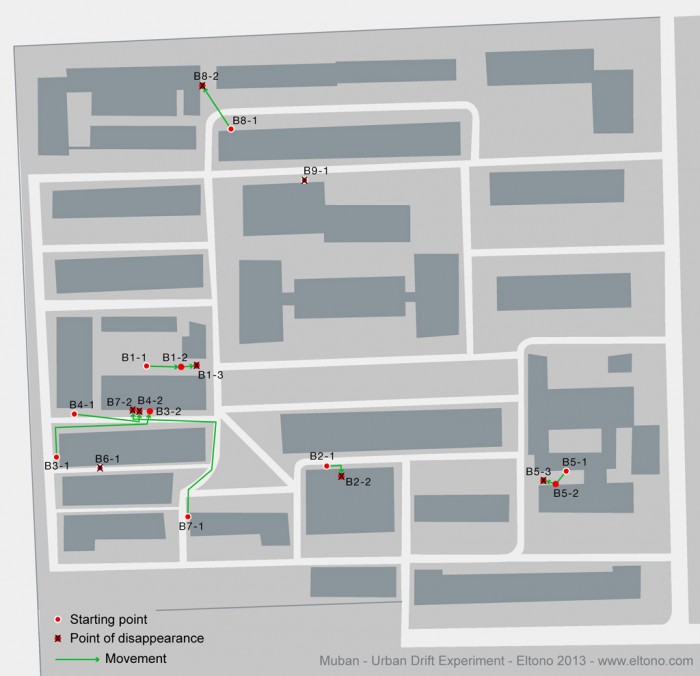
Things got a little bit better with the second experiment, I got a couple of very interesting results and I was able to draw a map of the movements. I painted nine boards again and I deposited them, one by one this time, in a small residential area very close to my house. Since then, I have walked around or biked through this neighborhood almost everyday trying to spot the boards. After so many hours observing and looking for the white geometric designs, I developed a new ability and was able to detect them quite easily.

Click on the images to enlarge them and read the captions to follow the story.

The records of Muban B1 to B9 are presented in chronological order.

Muban B1:

Muban B2:

Muban B3:

Muban B5:

Muban B4:

Muban B9:

Muban B8:

Muban B6:

Muban B7:
Eltono Muban B map

I learned many interesting things while doing the Muban project such as how to be discreet to avoid ruining the experience, how to appear lost when you know exactly where you are going and a variety of interesting habits and quirky personality traits belonging to the Beijingers who live in these communities. This experiment is an ongoing project. The pieces must be observed for a very long time so it’s not an easy project to start just anywhere. I’m looking forward to continuing with it and I hope to be able to report more results. If by any chance, any of the above listed Mubans reappear, I’ll post the update here.
Astillas

Désolé, cet article n’est pas encore disponible en français.
En attendant, vous pouvez toujours le lire en English ou en Español.
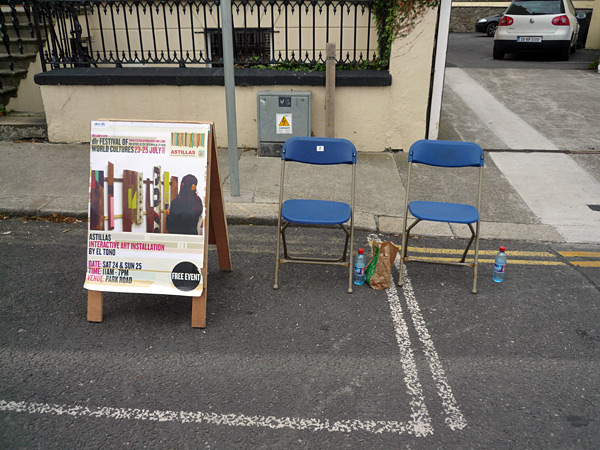
Festival Of World Cultures
Dún Laoghaire, Dublin, Ireland
July 23rd – 25th 2010

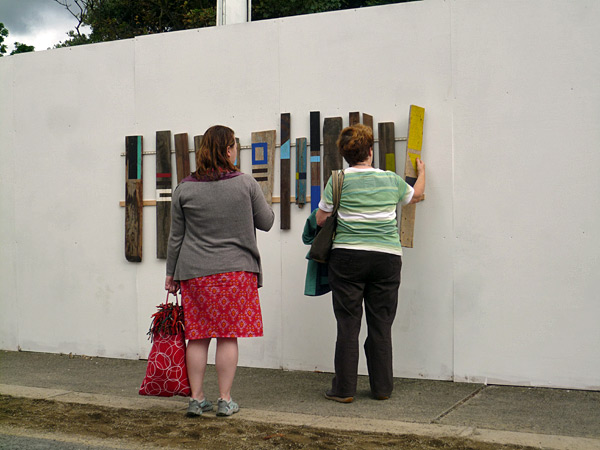
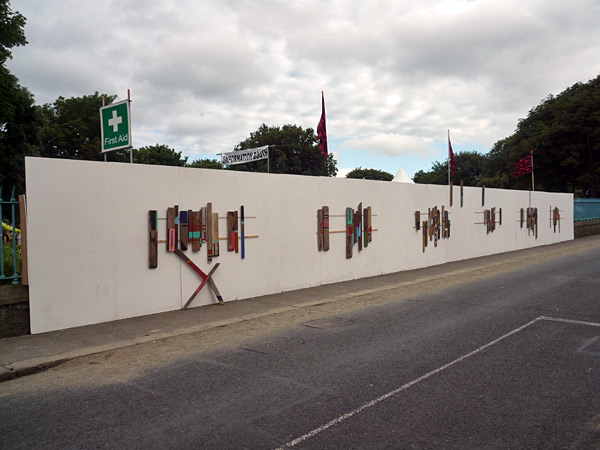
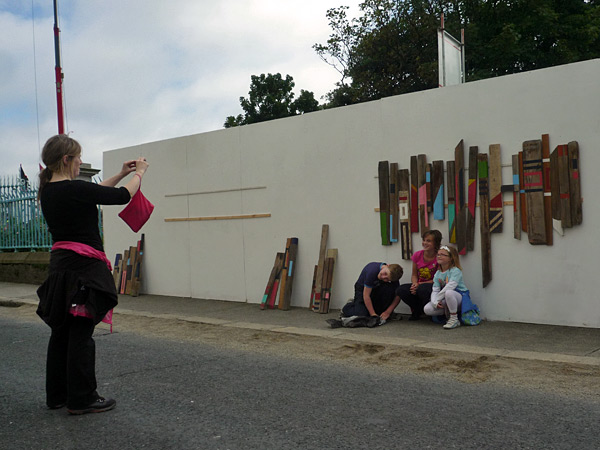
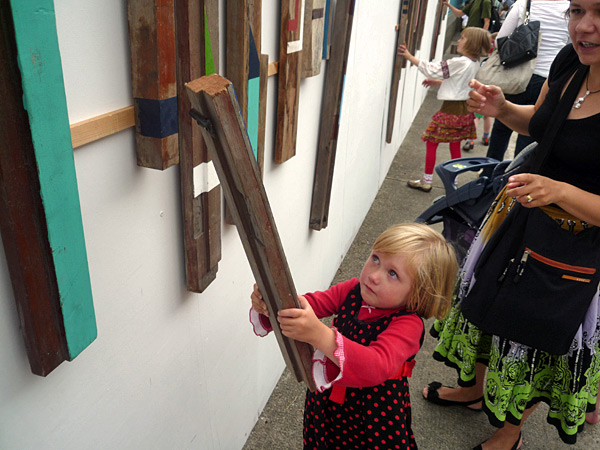
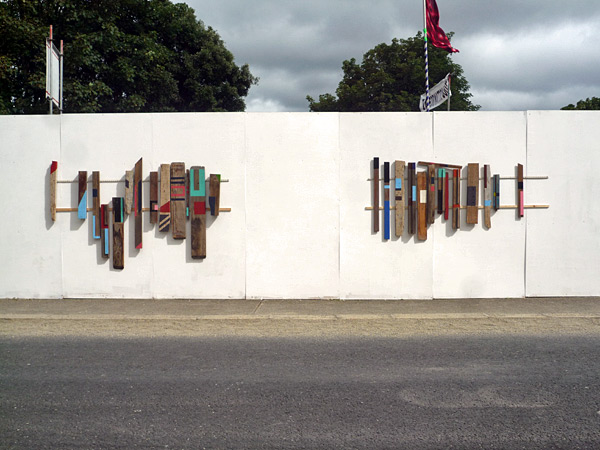
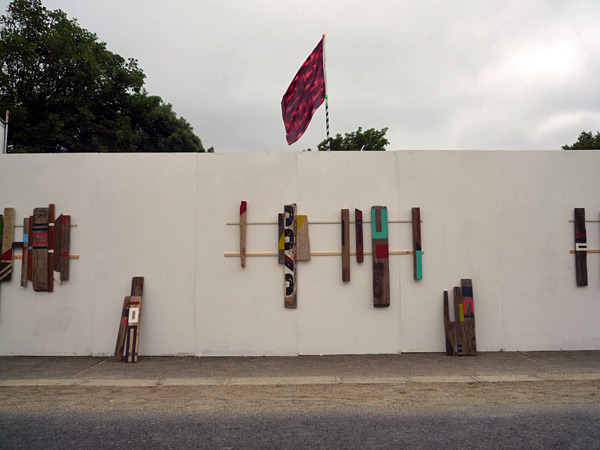
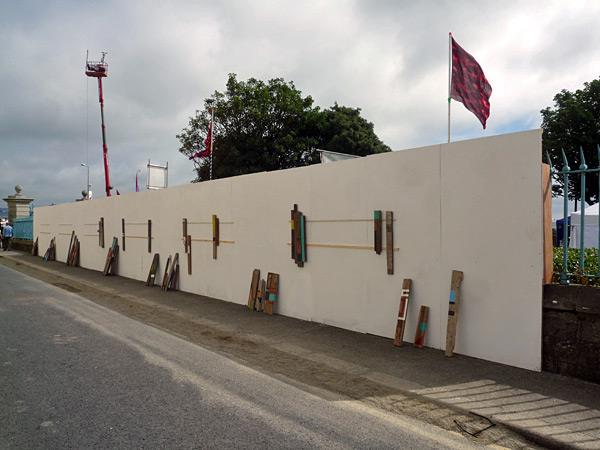
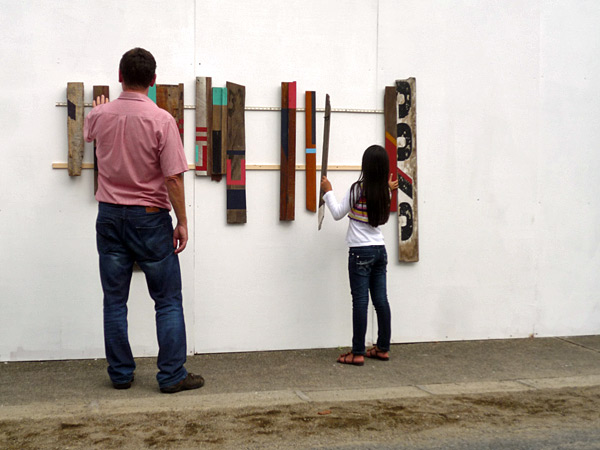
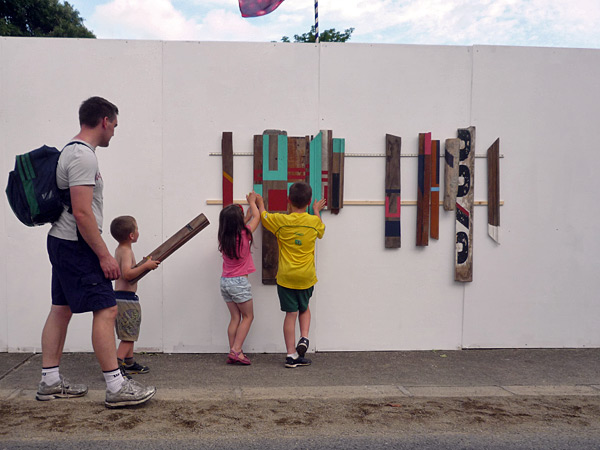
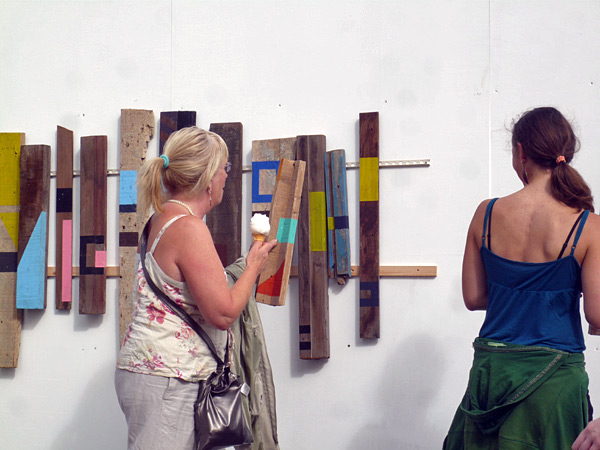
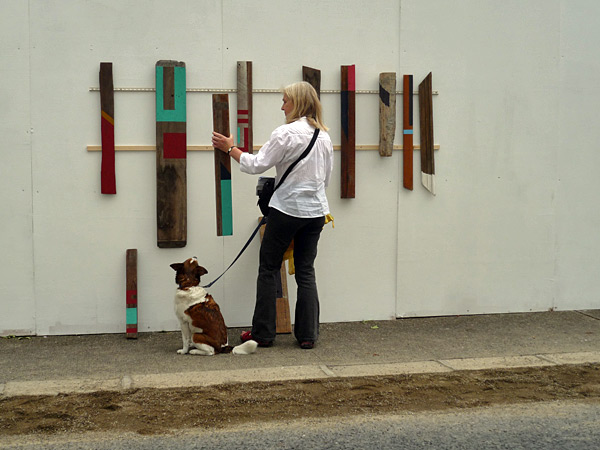
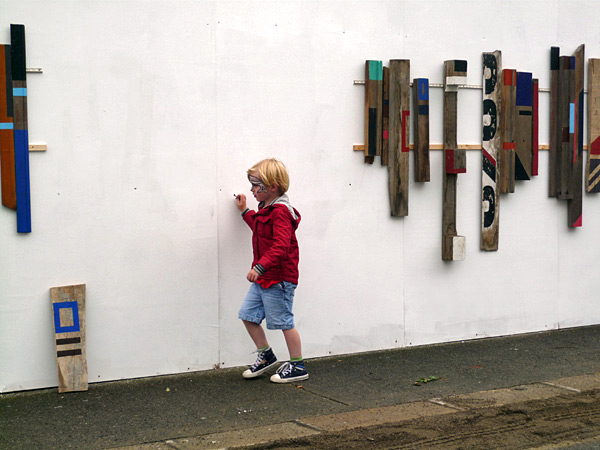
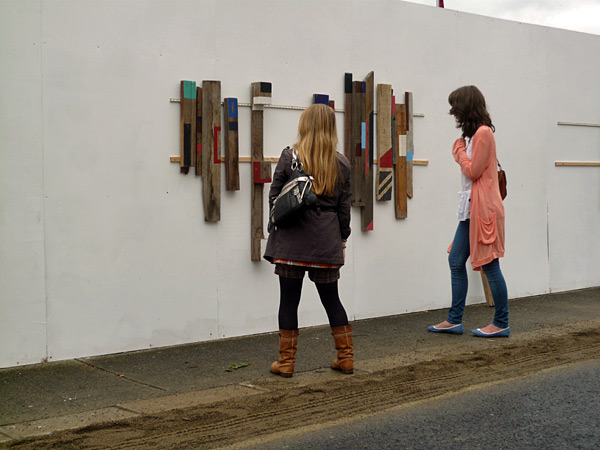
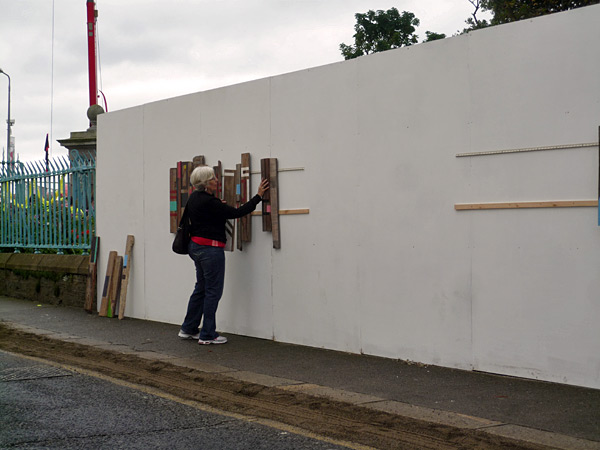
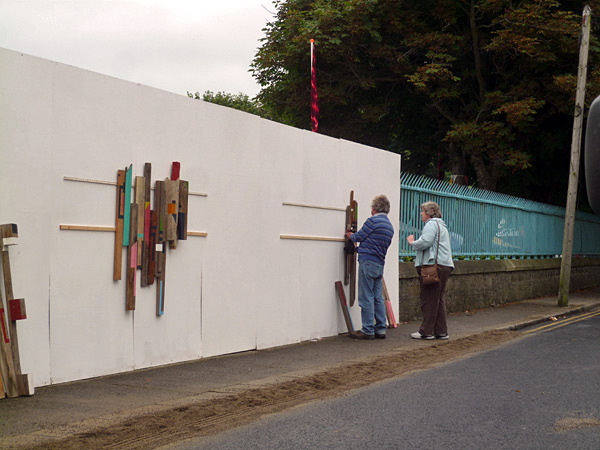
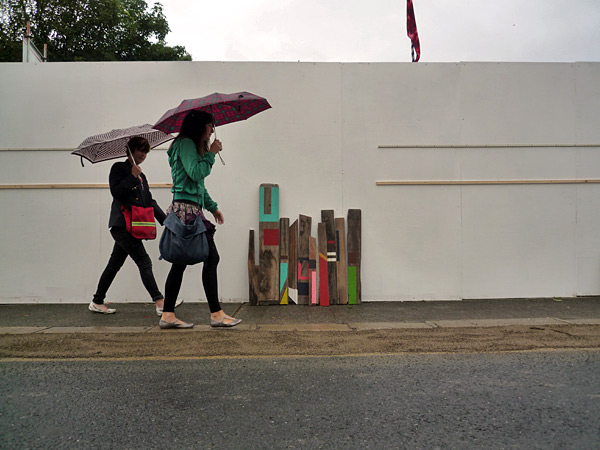
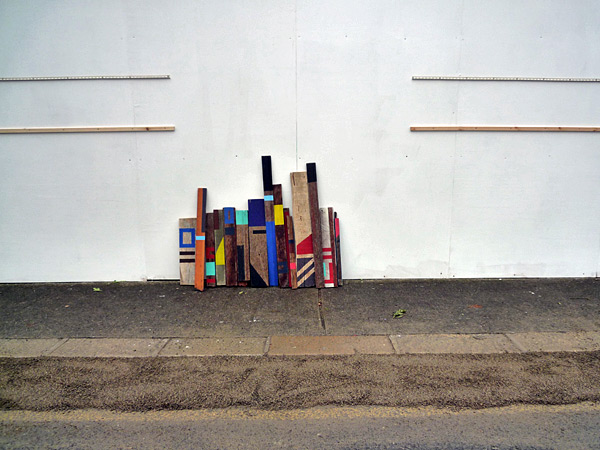
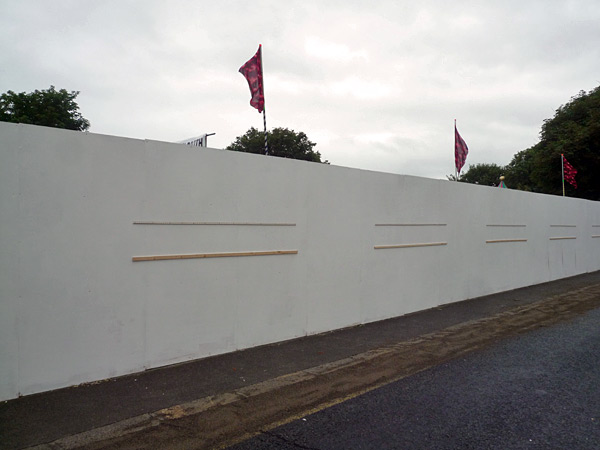
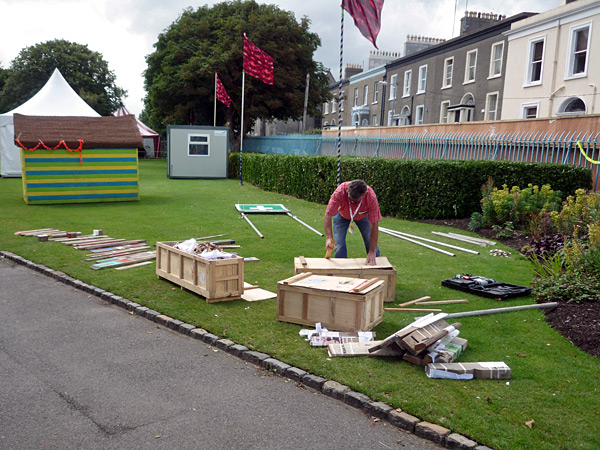
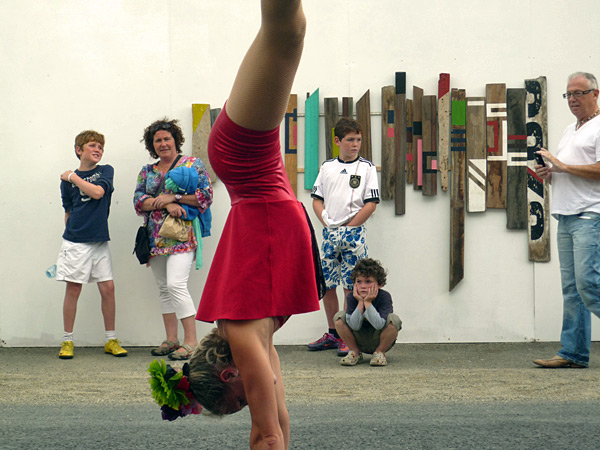
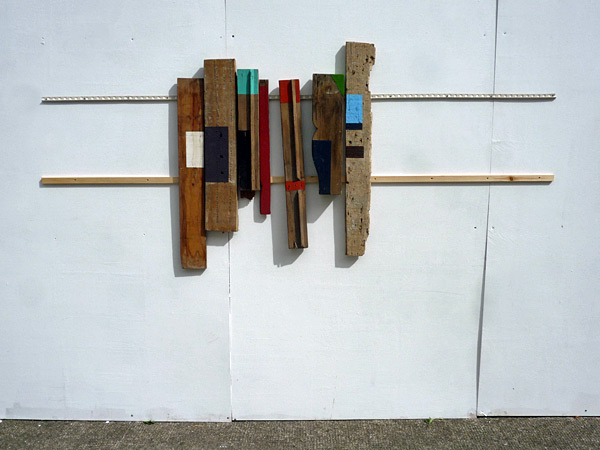
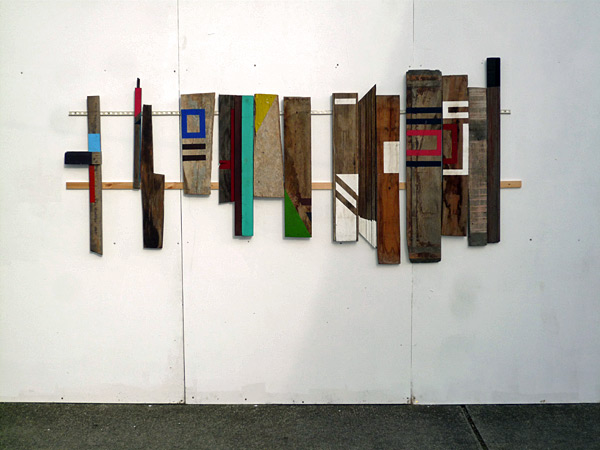
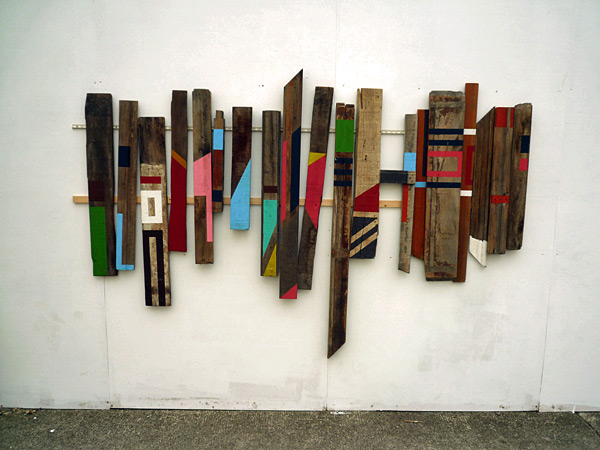
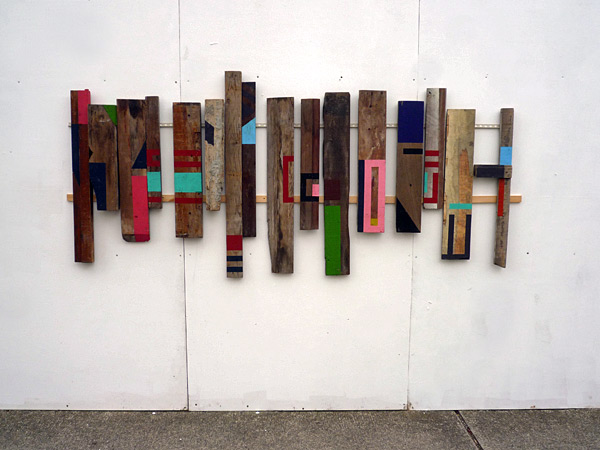
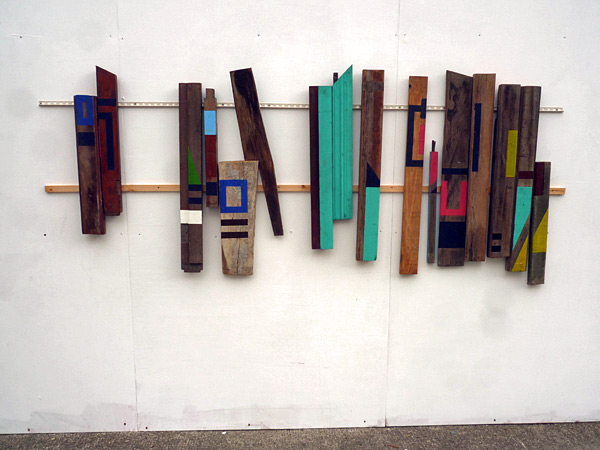
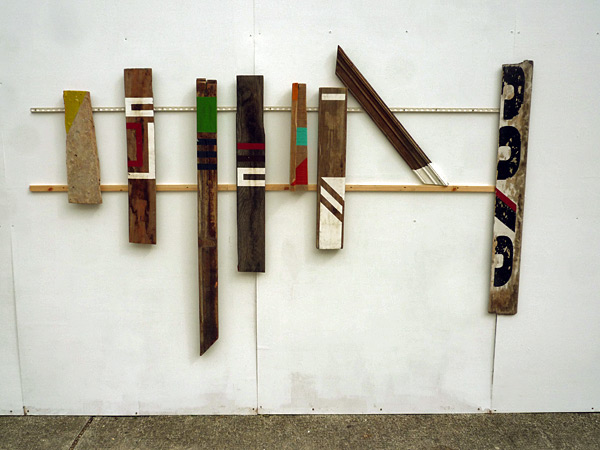
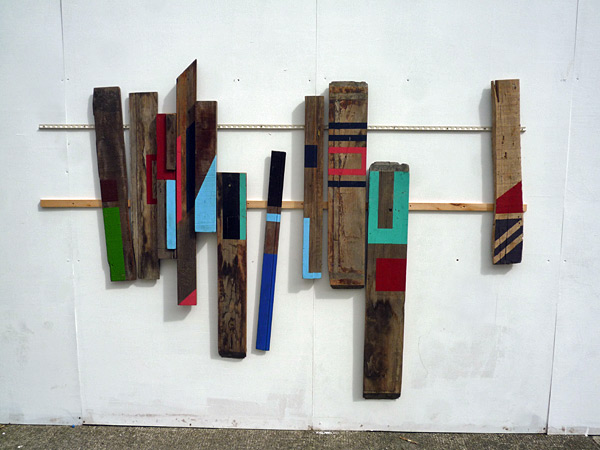
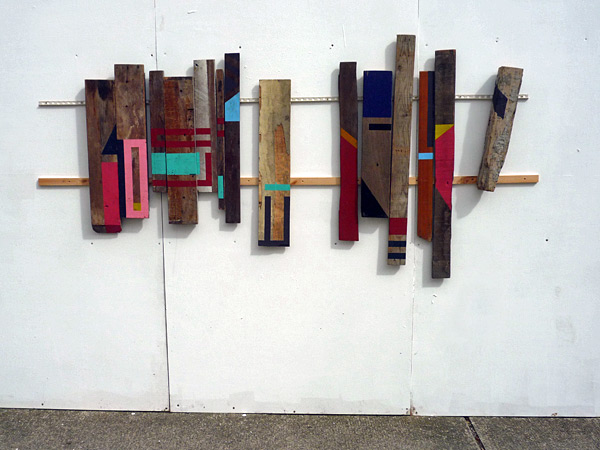
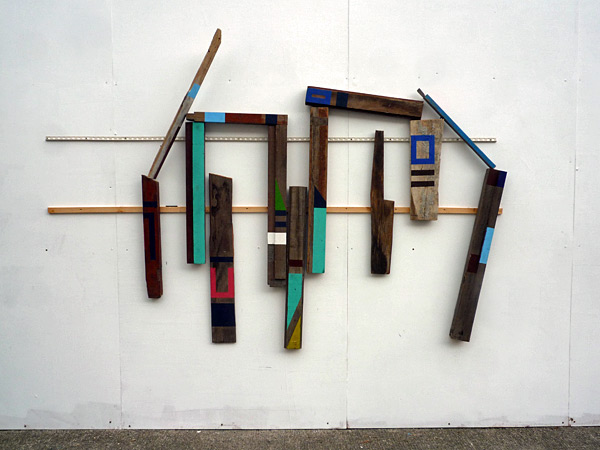
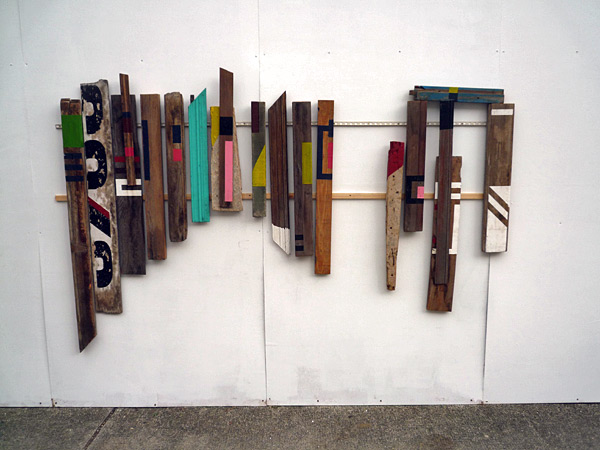
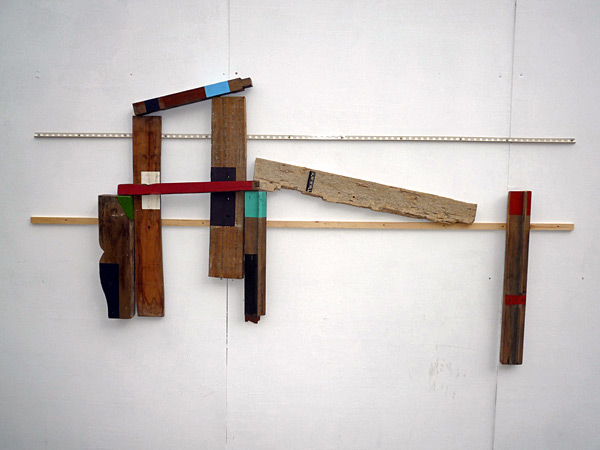
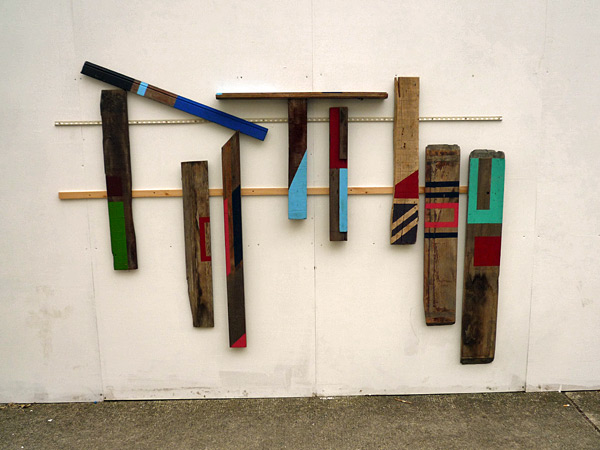
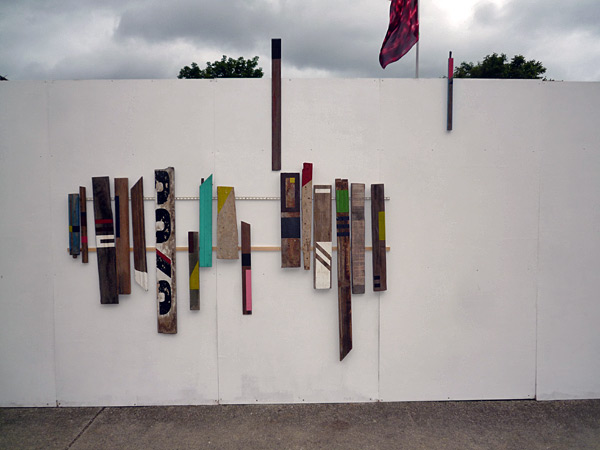
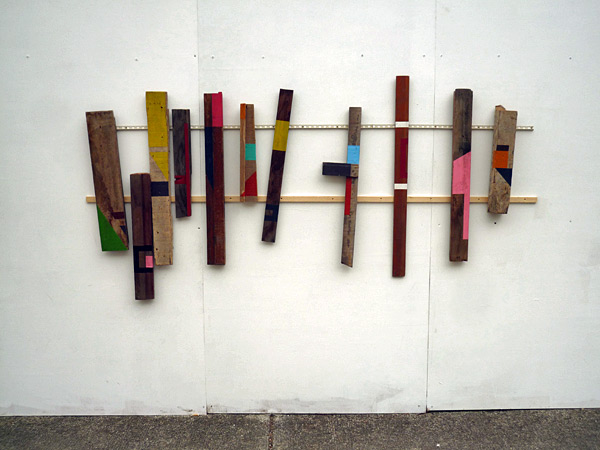
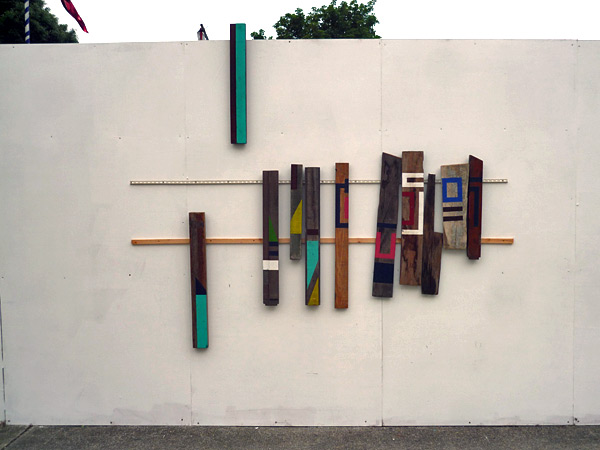
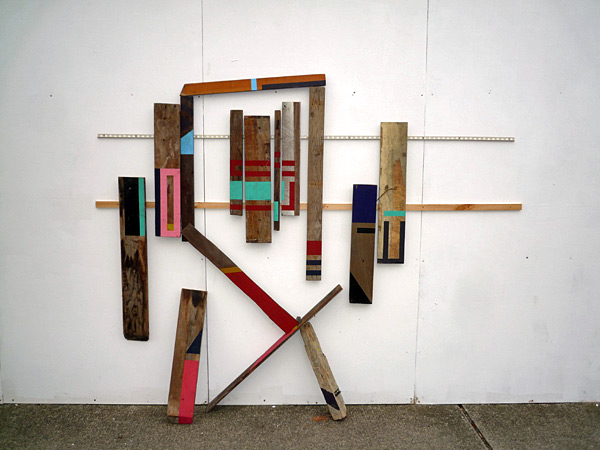
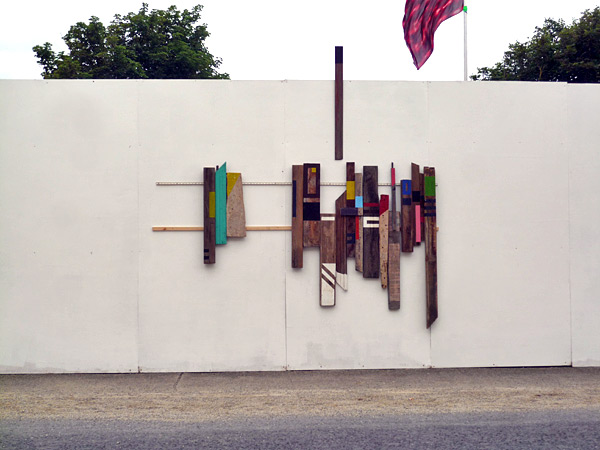
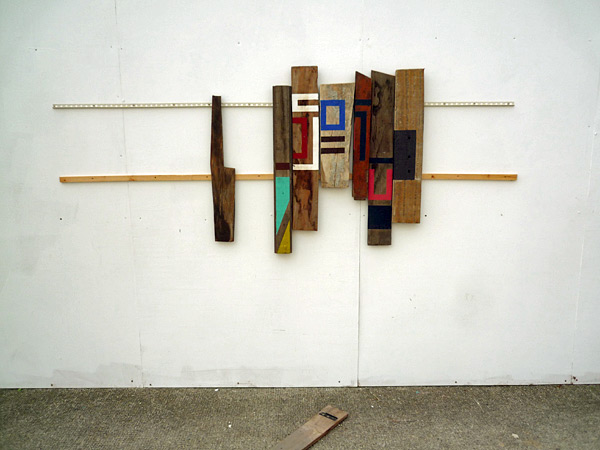
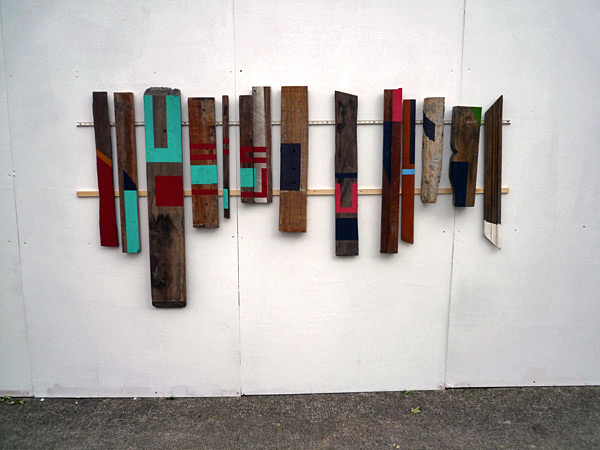
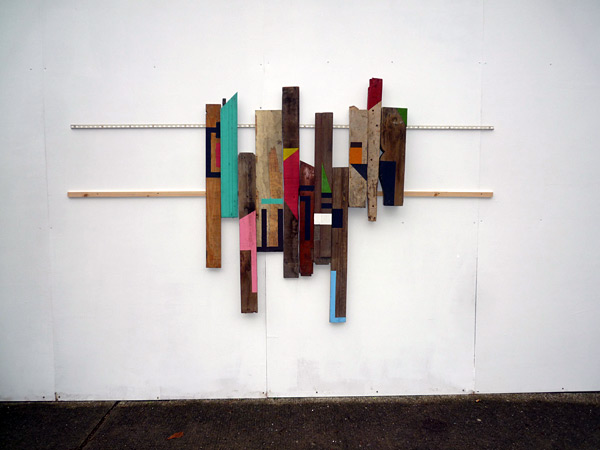
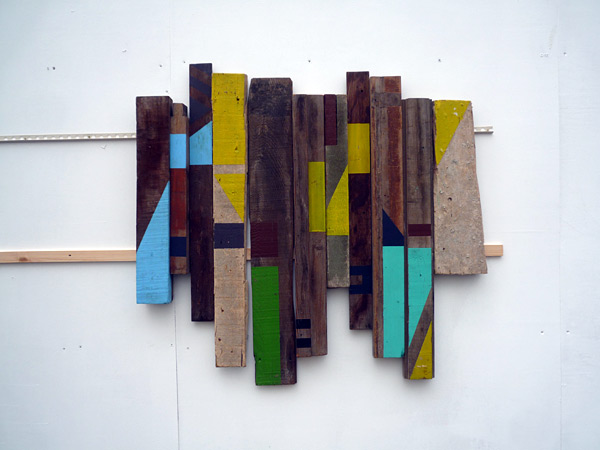
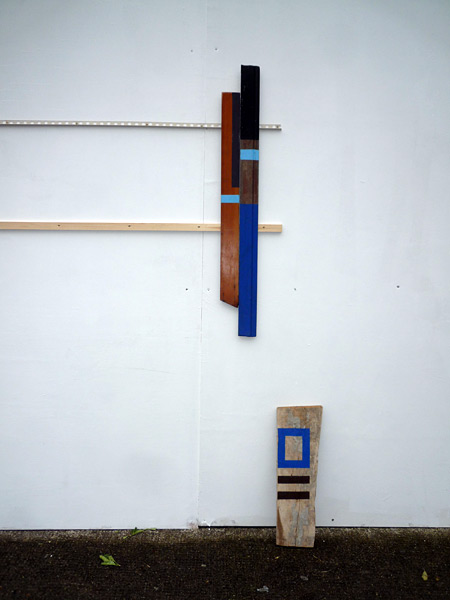
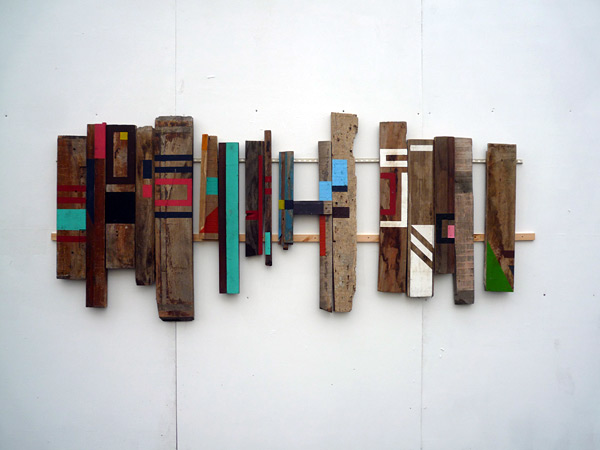
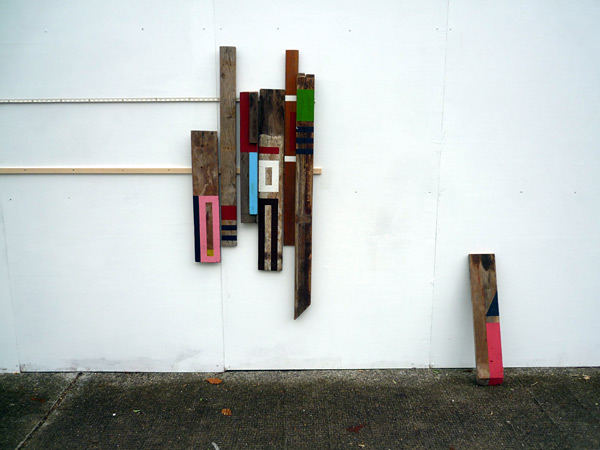
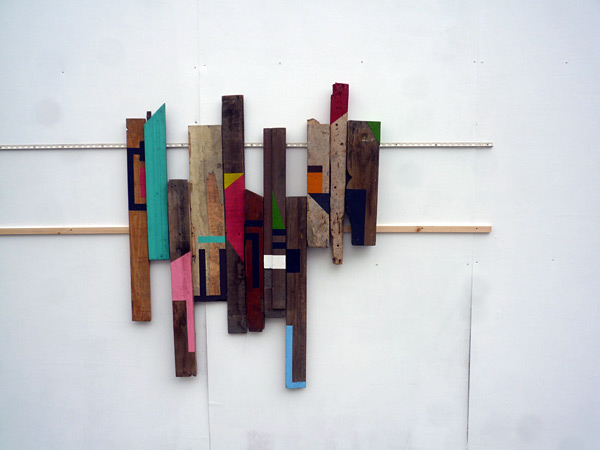
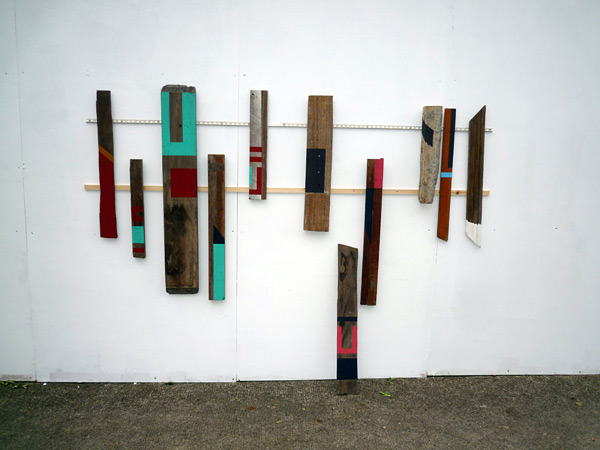
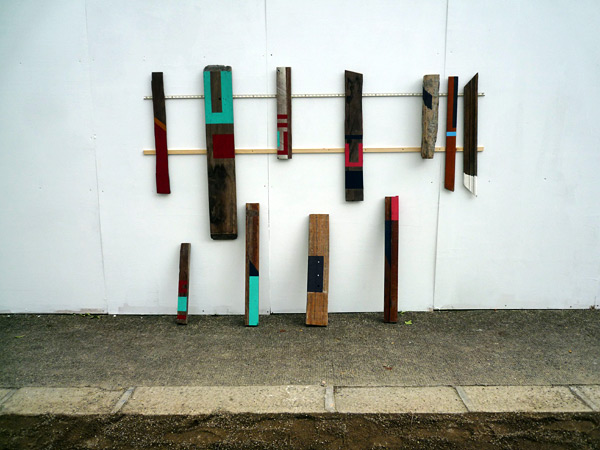
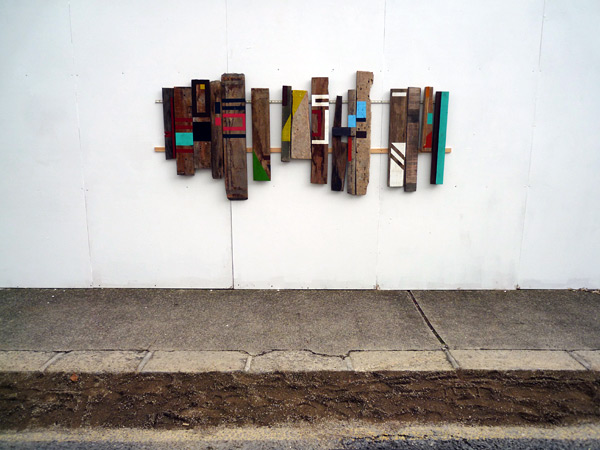
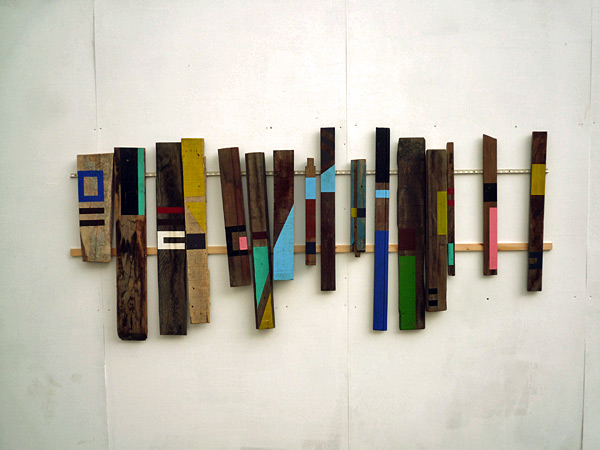
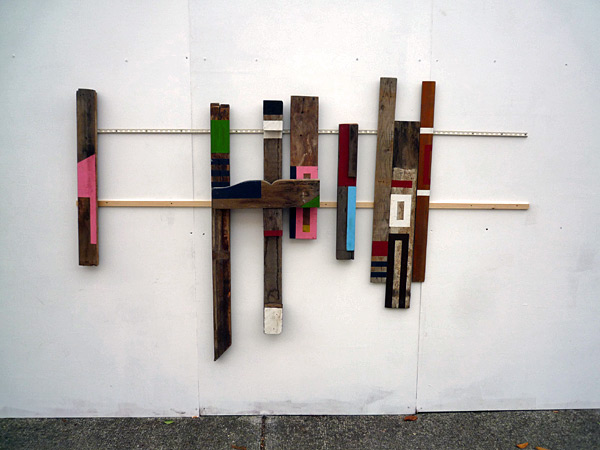
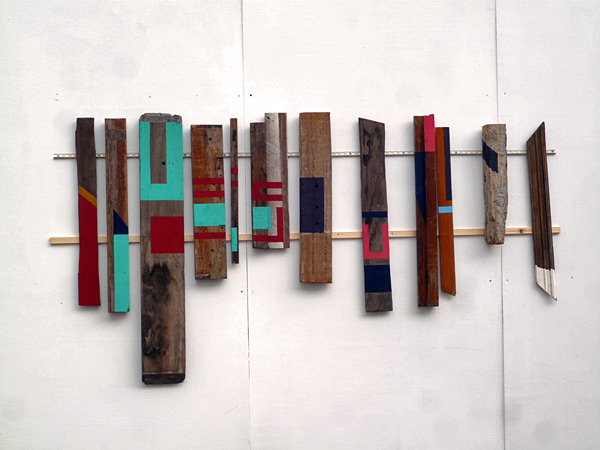
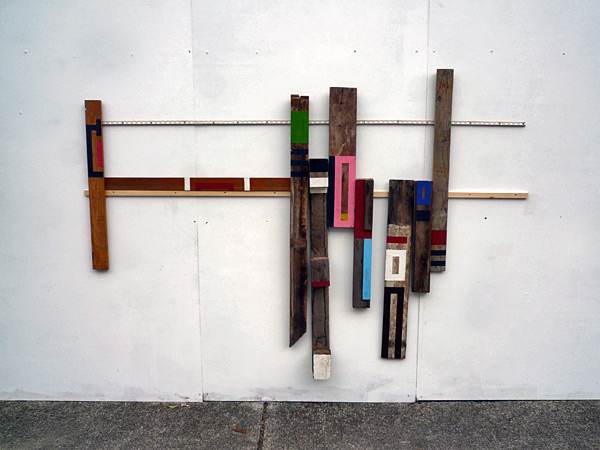
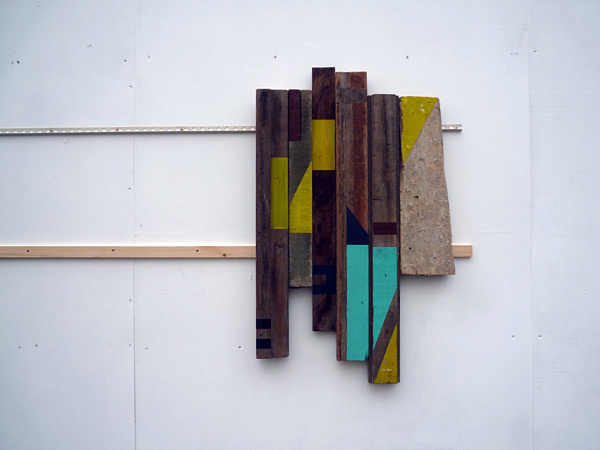
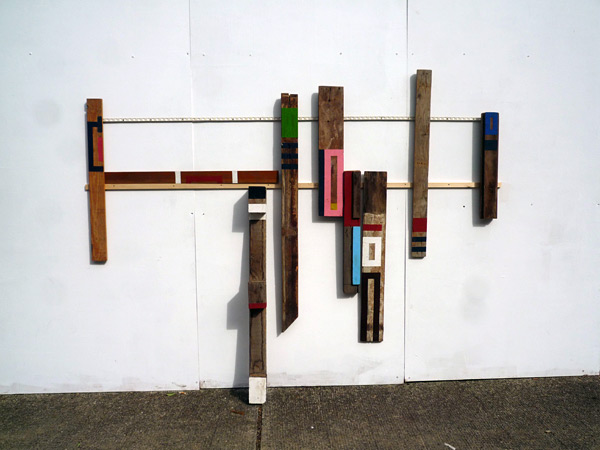
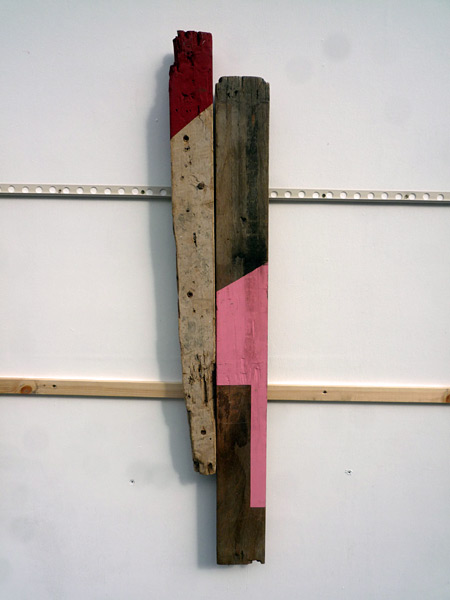
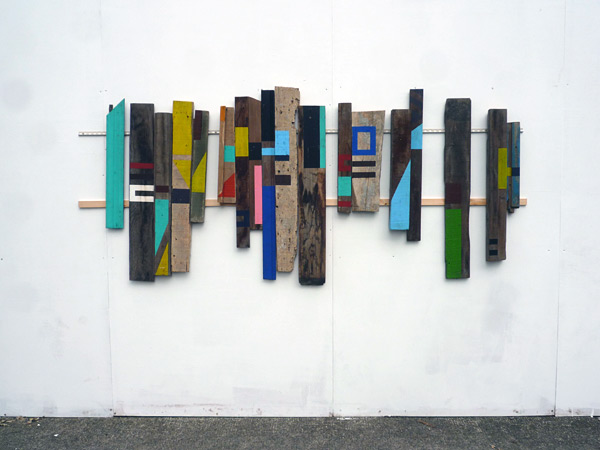
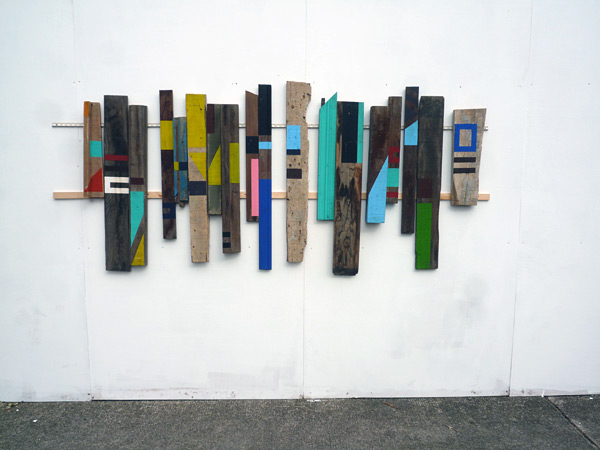
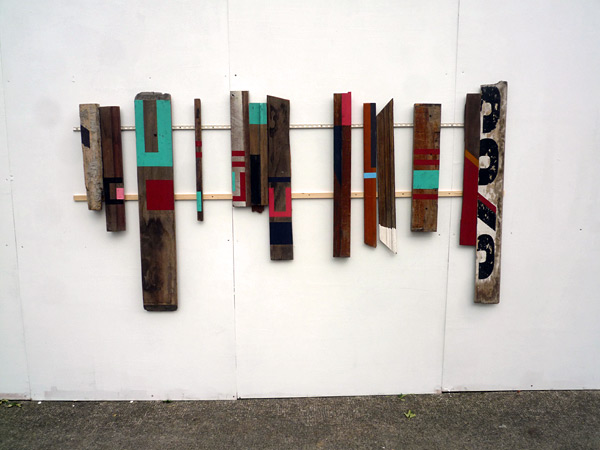
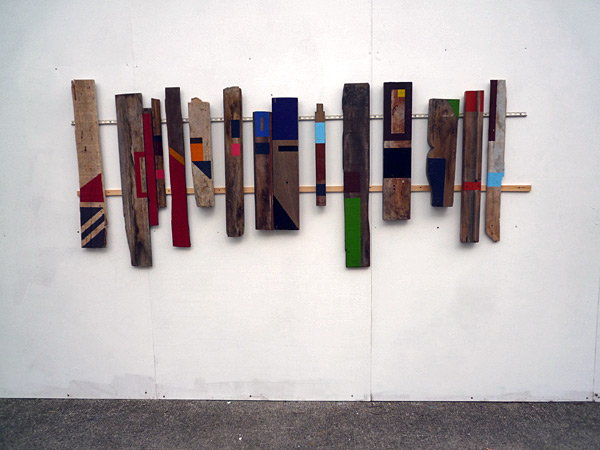
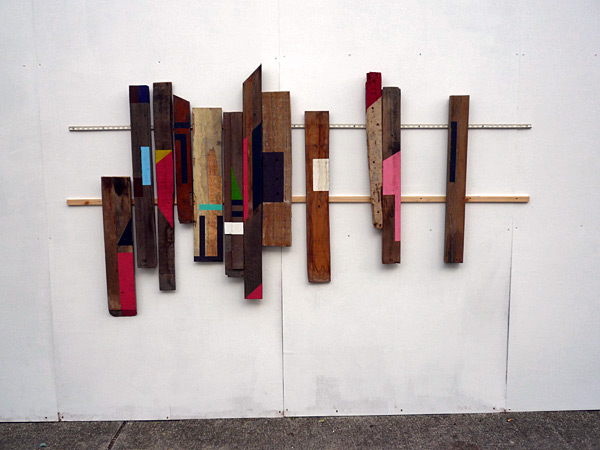
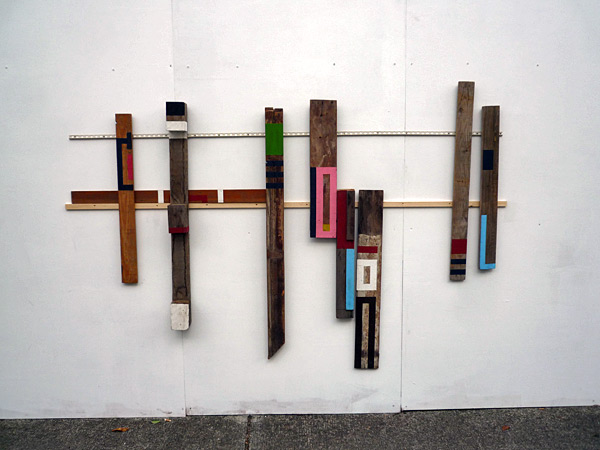
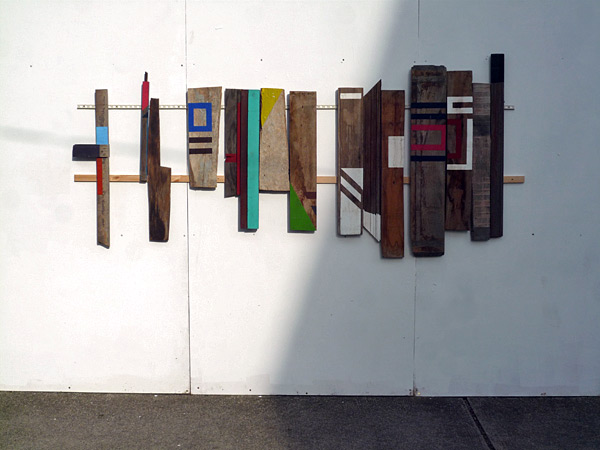
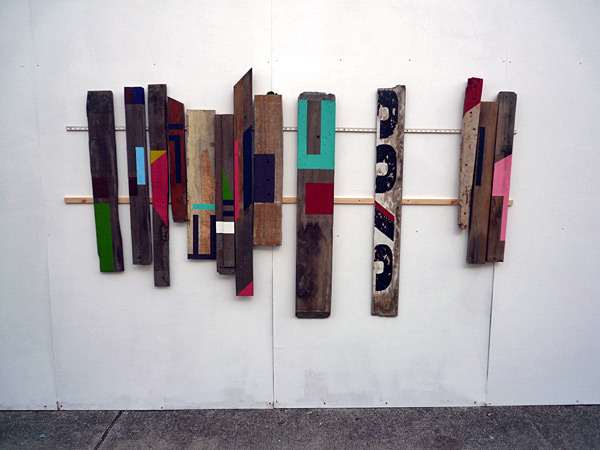
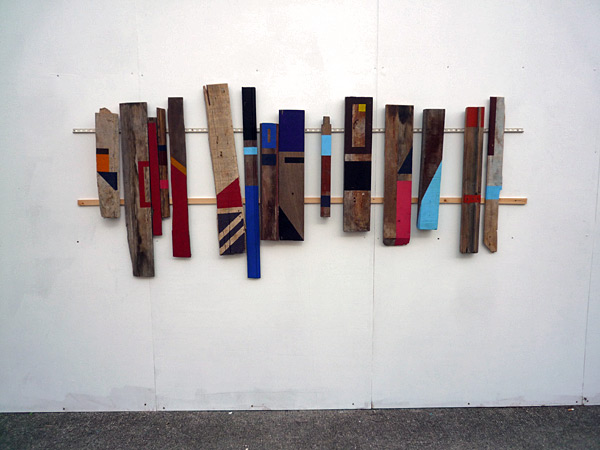
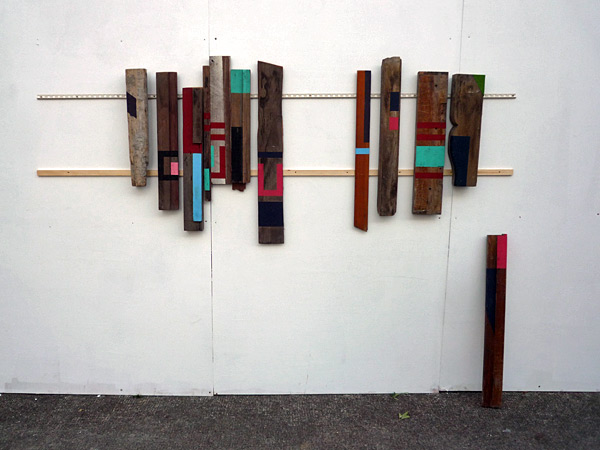
In June of 2010 I was invited by the Festival of World Cultures to reconstruct my Astillas instalation. It was first presented in La Culpable galery in Lima in June of 2008 (www.eltono.com/en/exhibitions/astillas). The event lasted 2 days and thanks to the constant public participation, the instalation was ever-changing and new compositions were created constantly.

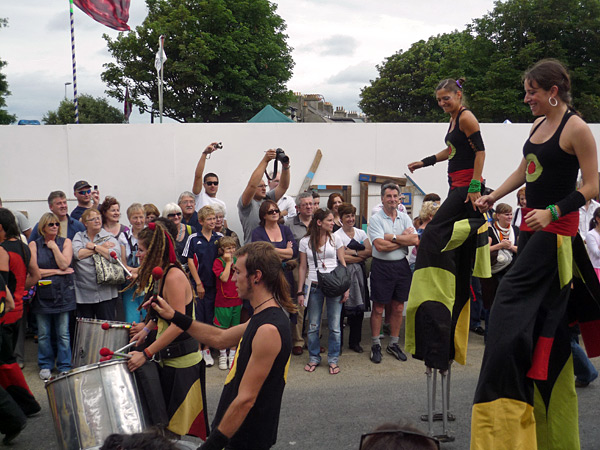
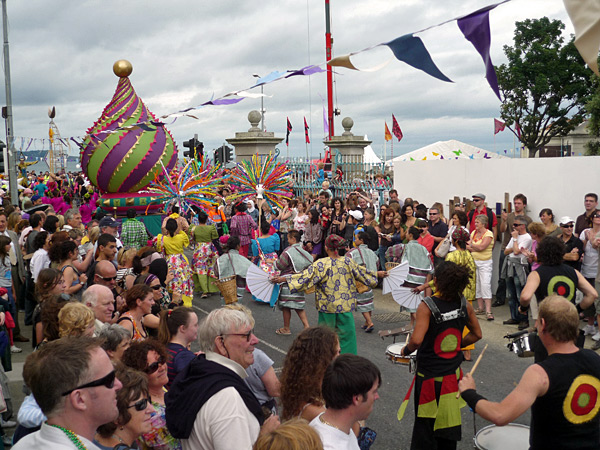
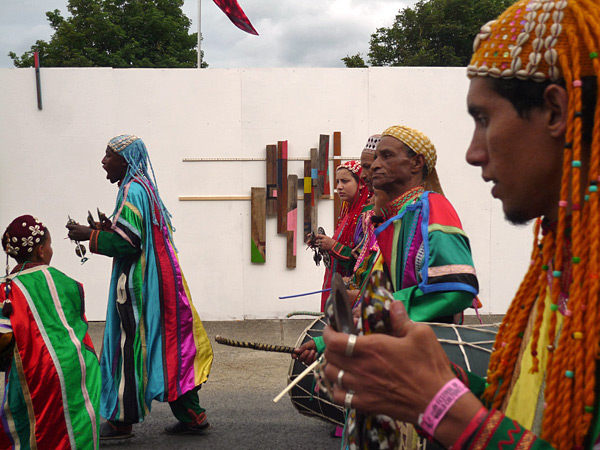
All of a sudden a carnaval began in front of the instalation!

Back to Peru

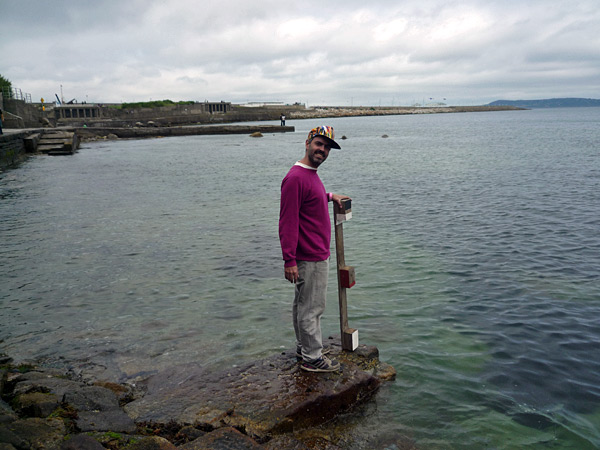
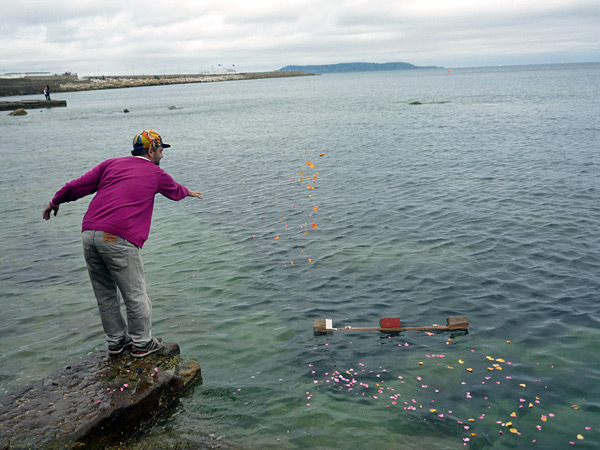
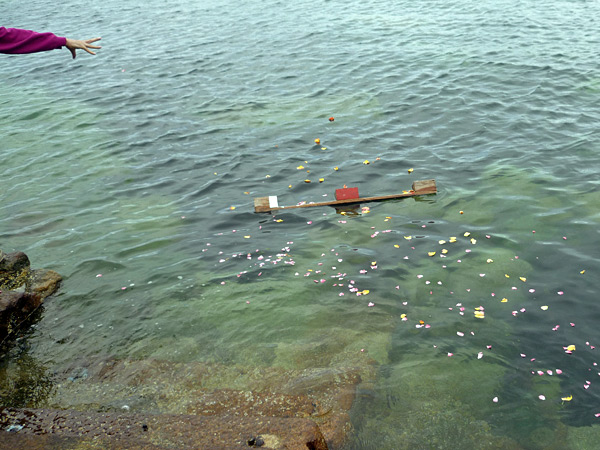
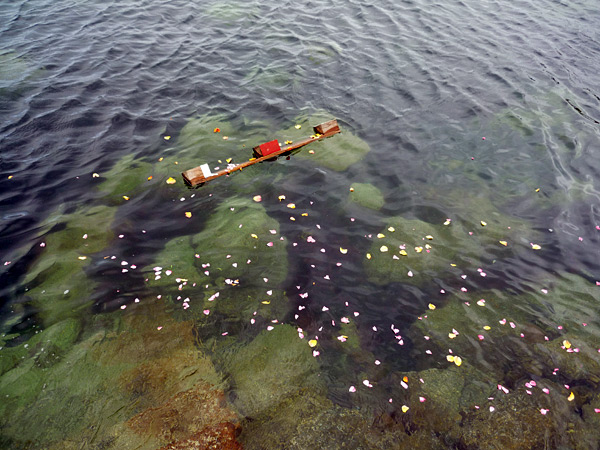
In honor of the land where the instalation was first conceived, I decided to send one of the wood chips “back to Peru”…
:)

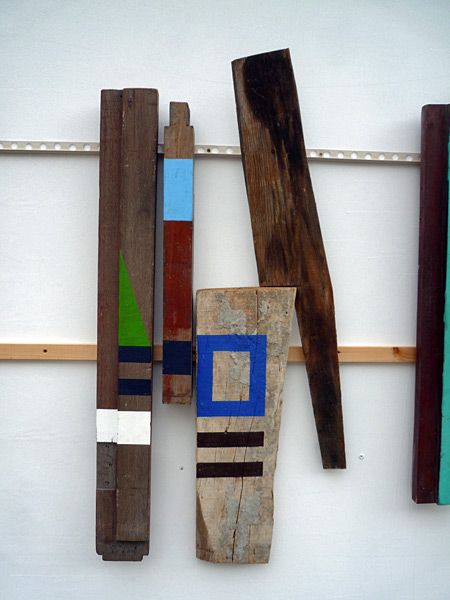
In these images below, you can see a selection of the compositions done by varios people throughout the festival.

Thank you very much Jane, Jules and Anja.